
Thank you for your support of Chartbook. Your generosity keeps this show on the road.
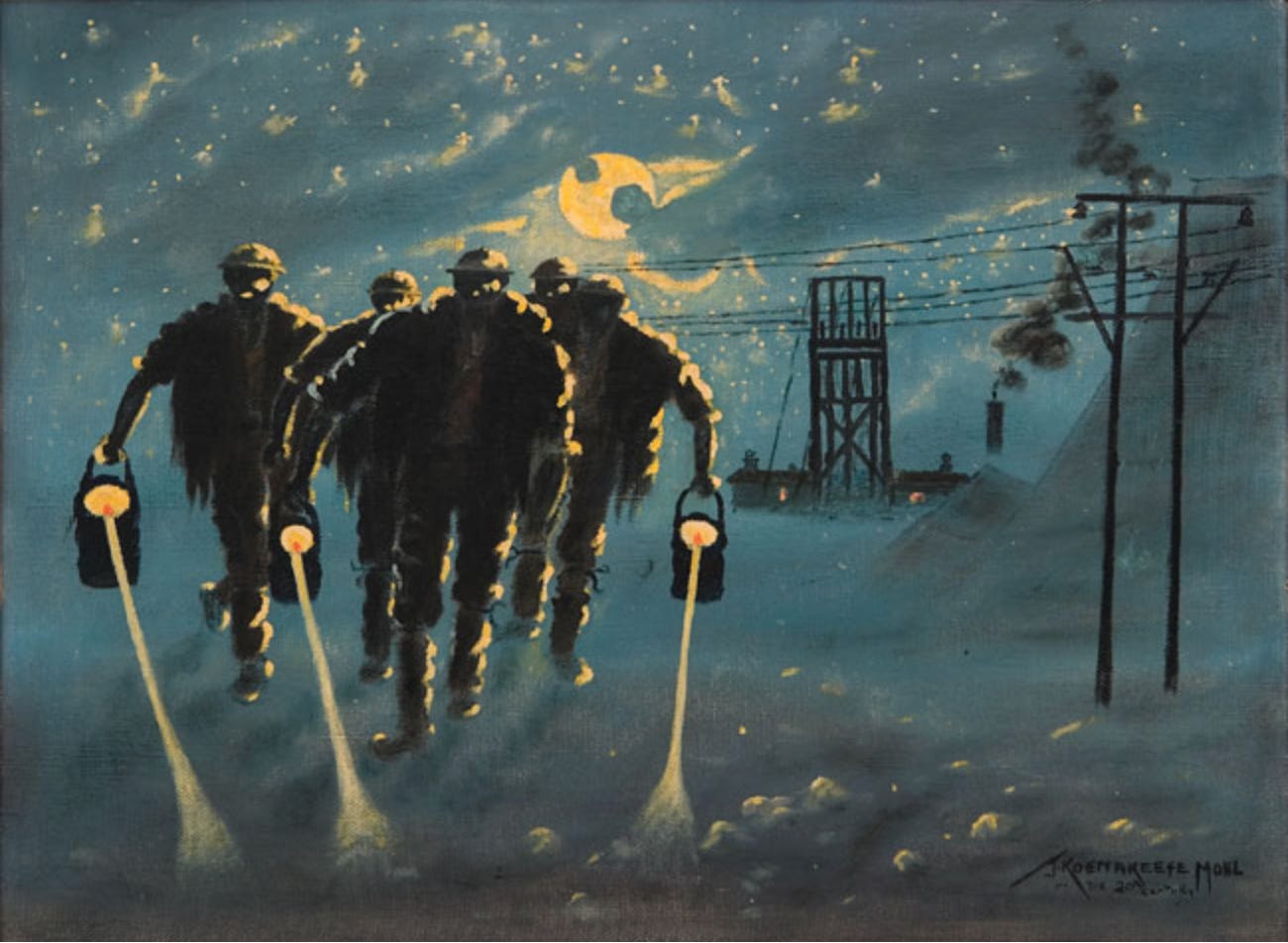
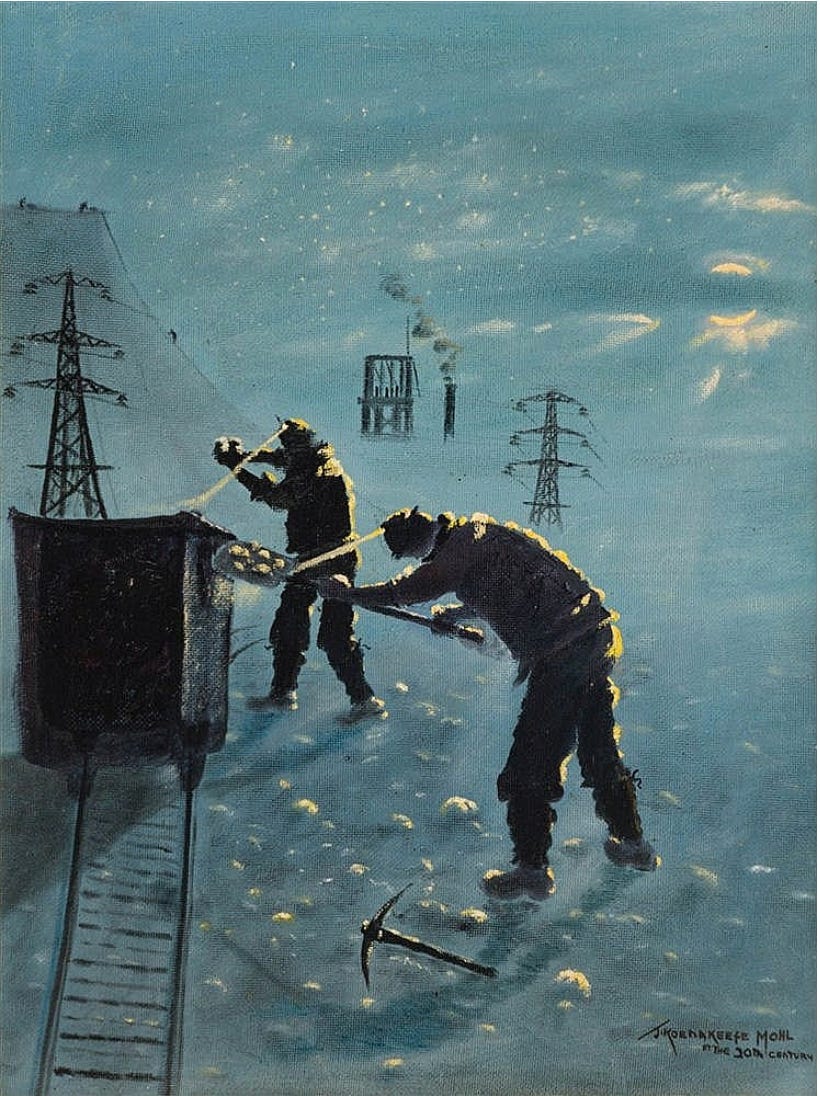
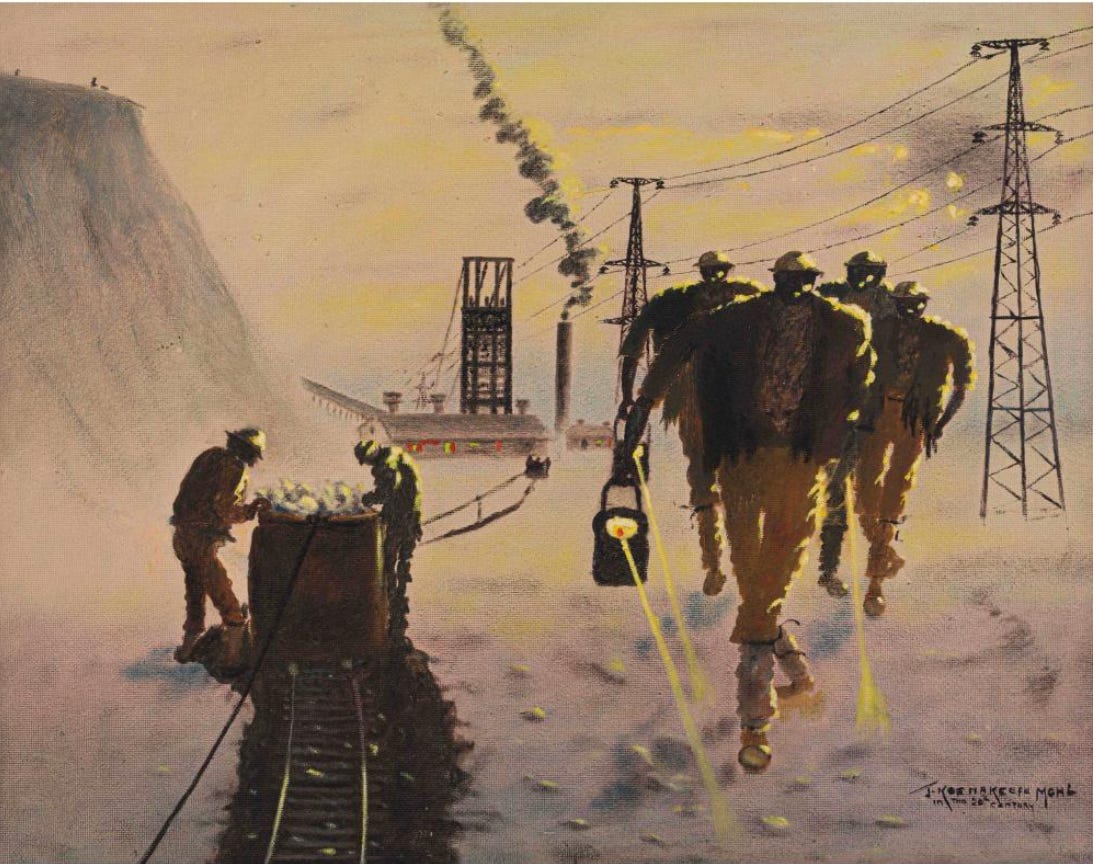
John Mohl (South Africa, 1903-1985), The Moon behind the Miners, Crown Mines (SA)
Emmanuel Saez and Gabriel Zucman on the Sanders proposal for a billionaire tax
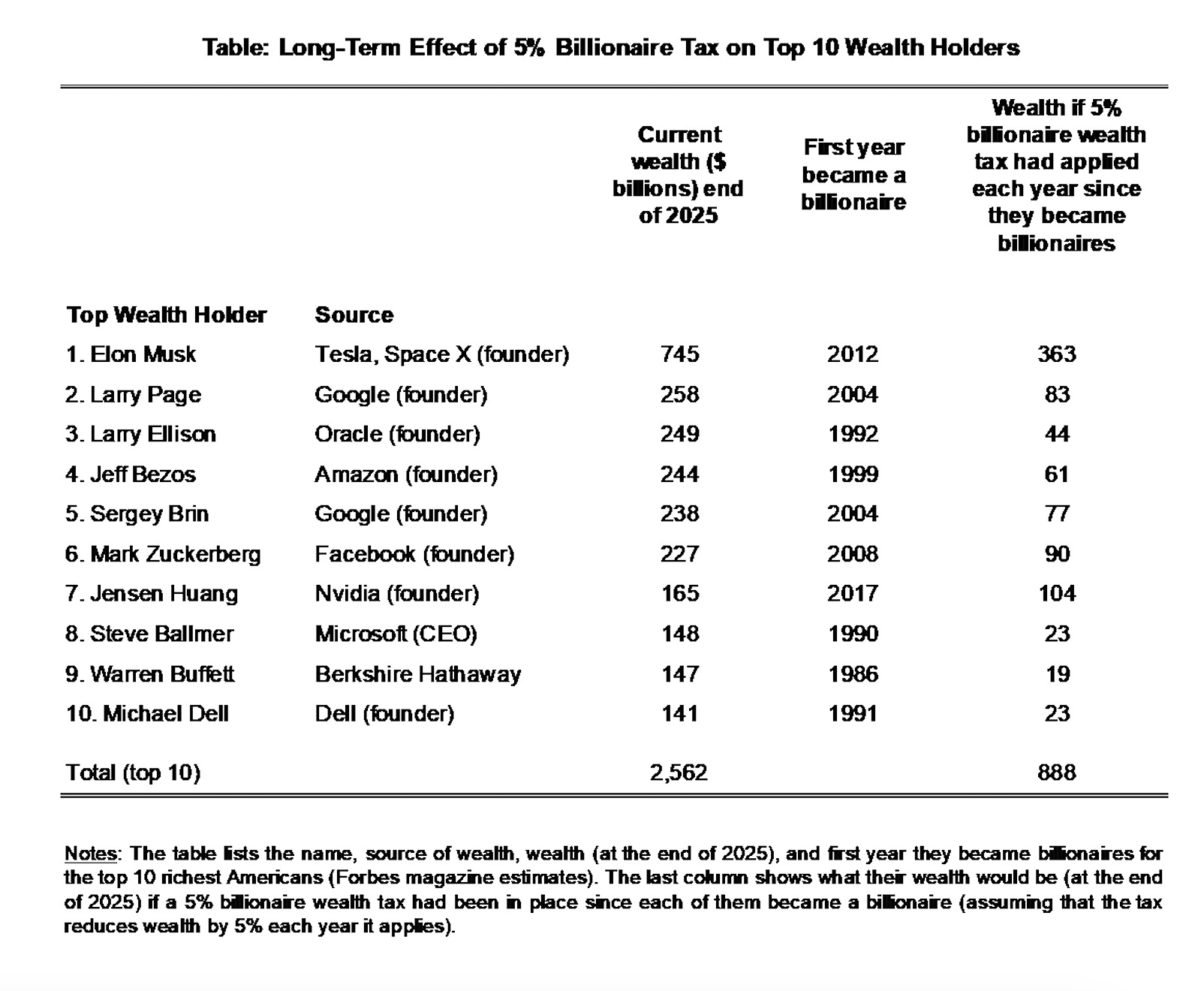
Source: Sanders
Martin Wolf on three scenarios for the world economy
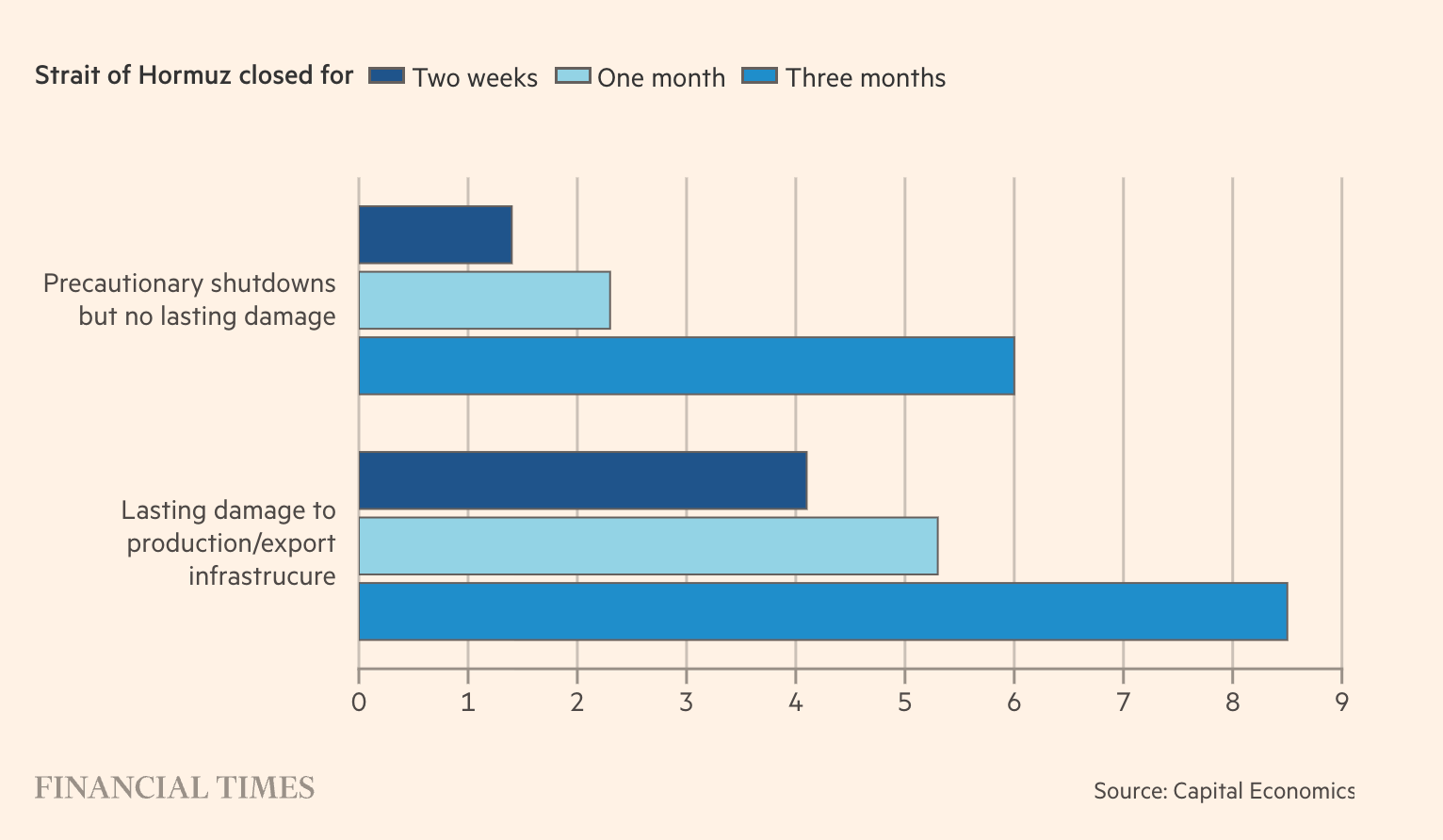
Capital Economics considers three scenarios. The first is of a short, sharp conflict, lasting about two weeks. The estimate is of a loss of around 1.4 per cent of global annual oil exports and a similar proportion of LNG exports. The second is of a conflict lasting three months, but with limited longer-term damage to facilities. The estimate for this is of a loss of 5-6 per cent of world exports of crude and LNG in 2026. The third is also of a conflict lasting three months, but with longer-lasting damage to capacity, notably to Iran’s Kharg Island. The estimate here is of a loss of 8-9 per cent of world exports of oil and LNG, with an impact into 2027. Oil prices could hit $150 a barrel and prices of gas in the EU (per megawatt hour) could hit €120. According to Capital Economics, the only comparable global supply shock to this last possibility was “from the late-1970s to the mid-1980s”.
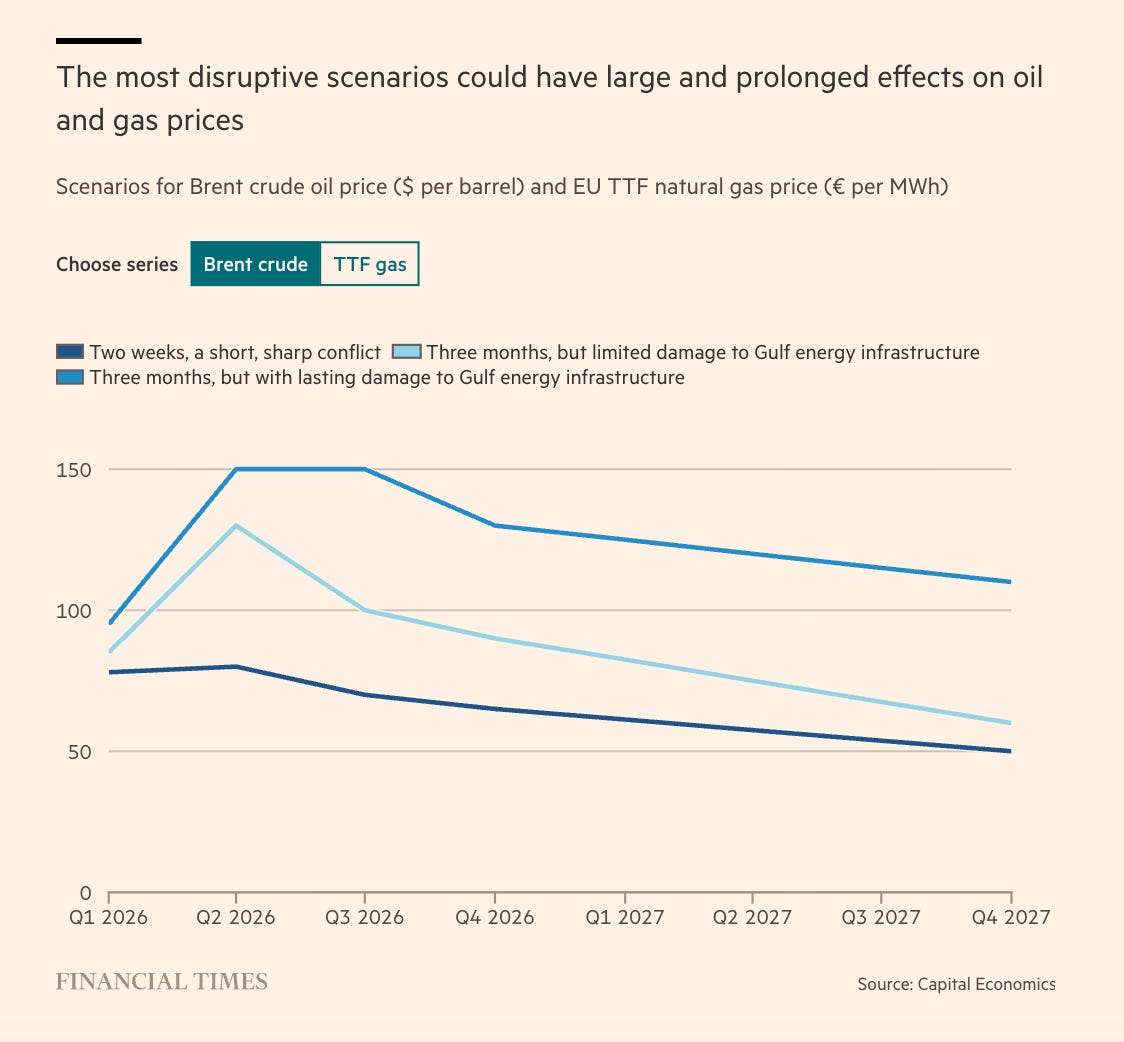
Source: FT
America’s first new refinery to be built in half a century will be backed by India’s energy group Reliance
Donald Trump announced plans for the first major refinery to be built in the US in almost half a century in the Texas city of Brownsville backed by Indian energy group Reliance Industries. The president unveiled the project from a little known group called America First Refining on Truth Social, describing it as “A MASSIVE WIN for American Workers, Energy, and the GREAT People of South Texas!” “A new Refinery at the Port of Brownsville, will fuel U.S. Markets, strengthen our National Security, boost American Energy production, deliver Billions of Dollars in Economic impact,” Trump wrote. The announcement comes as the president’s war against Iran roils oil markets and the White House seeks ways to tame a surge in crude prices. The project, if completed, would be the first new major refining project in the US since Marathon’s Garyville, Louisiana facility came online in 1977.
Source: FT

The economy as a strategy deployed at a particular moment in the history of capitalism
The economy should thus be understood not as a general category of which capitalism is a particular instance but as a particular political strategy deployed at a specific point in the history of capitalism. Karl Polanyi analyzed the nineteenth-century notion of the self-regulating market as a utopian construction—the impossible project of a society that has done away with power and politics, in which all human relations could be represented as freely chosen contractual ones and all social change must occur through the automatic mechanism of market equilibrium.
As Polanyi noted, the unrestricted implementation of such a vision, the complete transformation of human life and all of nature into commodities like any other, would have resulted in the destruction of society itself. Of course, Polanyi argued, laissez-faire liberalism as it actually existed, for all its devastating consequences, fell far short of the utopian ideal of a self-adjusting market society, its operation depending instead on institutions that were very much concrete and nonautomatic: the gold standard, the labor market, the international balance of power, and a liberal constitutionalism that limited political contestation.
Keynes’s calls for national self-sufficiency and a managed economy represented an obvious and self-conscious break with the image of the self-regulating market. … It would be a mistake, however, to interpret the relation between Keynes’s vision and the market utopia of nineteenth-century liberalism as one of mere opposition. The ideals of a world without politics and of freedom understood as sovereignty survive, in a transmuted form, in Keynes’s own utopia. The great payoff of the territorialization of the economy would be, Keynes argued, the freedom awarded to the nation-state.
The international order of the nineteenth century lay in ruins, but no clear alternative had yet emerged. What the moment demanded, Keynes thought, was a variety of politico-economic experiments which, instead of restoring laissez-faire dogmas which assumed individualistic capitalism was the best regime for all societies, would allow for the design of new forms of organization in accordance with each people’s choices and circumstances. National self-sufficiency opened up the possibility for just such experimentation.
Keynes classified his own policy proposals and the incipient New Deal alongside the regimes in the Soviet Union, Italy, and Germany as “new modes of political economy.” … without social transformation, the alternatives capitalist nations would face would be misery and violent revolution. The vehicle of transformation would necessarily be the nation-state. The condition of possibility of the nation-state’s freedom of experimentation was the reassembling and reimagining of circuits of production and exchange as internal to its borders; innovation could only proceed on the basis of territorial control.
Source: “The Economy as Utopia: Keynes, Bourgeois Socialism, and the Promise of Abundance” by Nicolae Bîea (2024)
John Koenakeefe Mohl, – Miners “Loading the Barrel at Night” at Crown Mines Jo-burg (S.A)
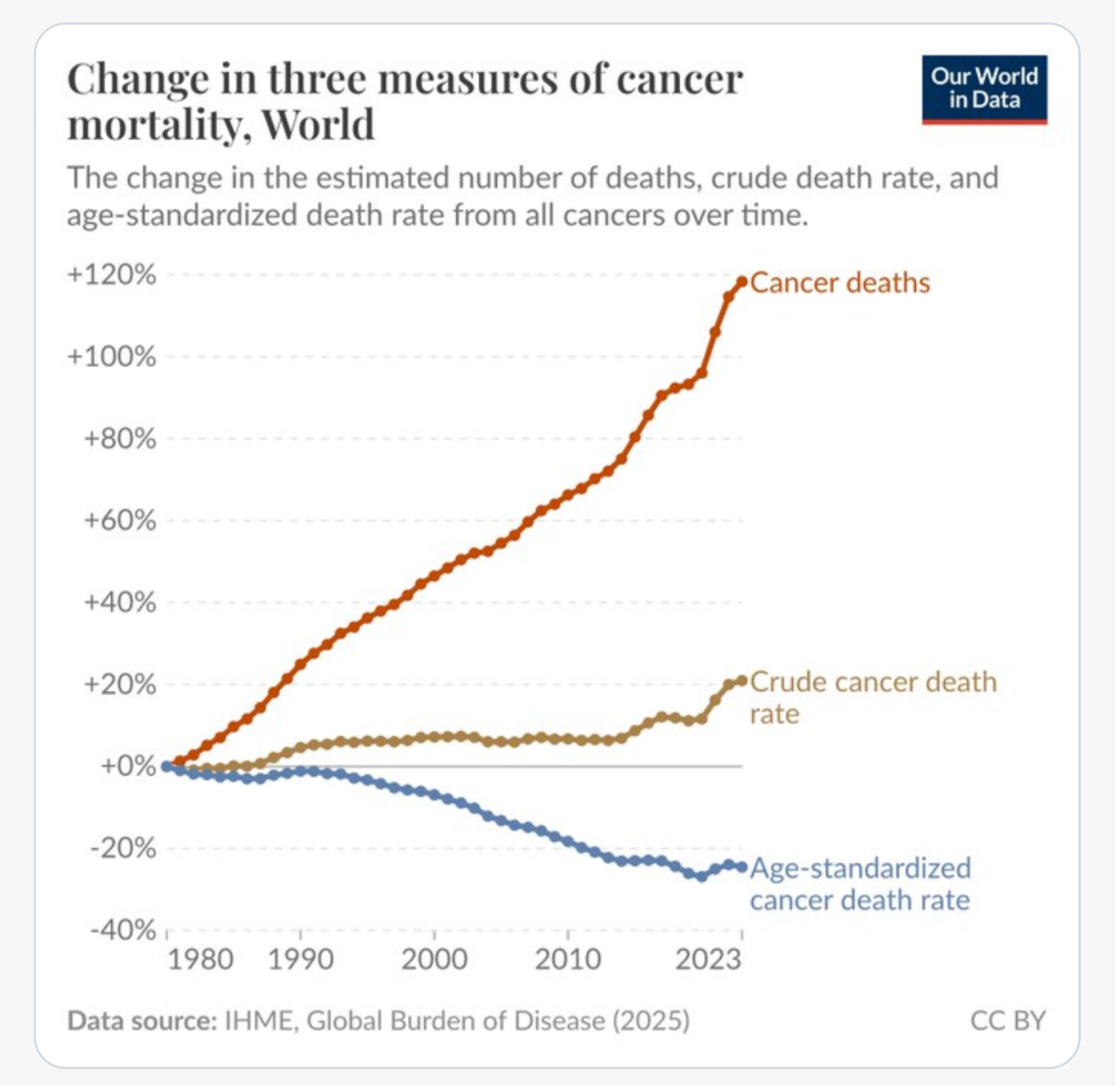
The longer we live, the more the cancer odds go against us. So it is a race between medicine and aging.
Good recommendations, indeed:

Gerardo L. Munck@GerardoMunck
The Concept of the State
These two essays by intellectual historian Quentin Skinner offer a very useful and nuanced discussion of the early history of the concept of the state.
Download The State: bresserpereira.org.br/terceiros/curs…
Download A Genealogy: thebritishacademy.ac.uk/documents/2073… 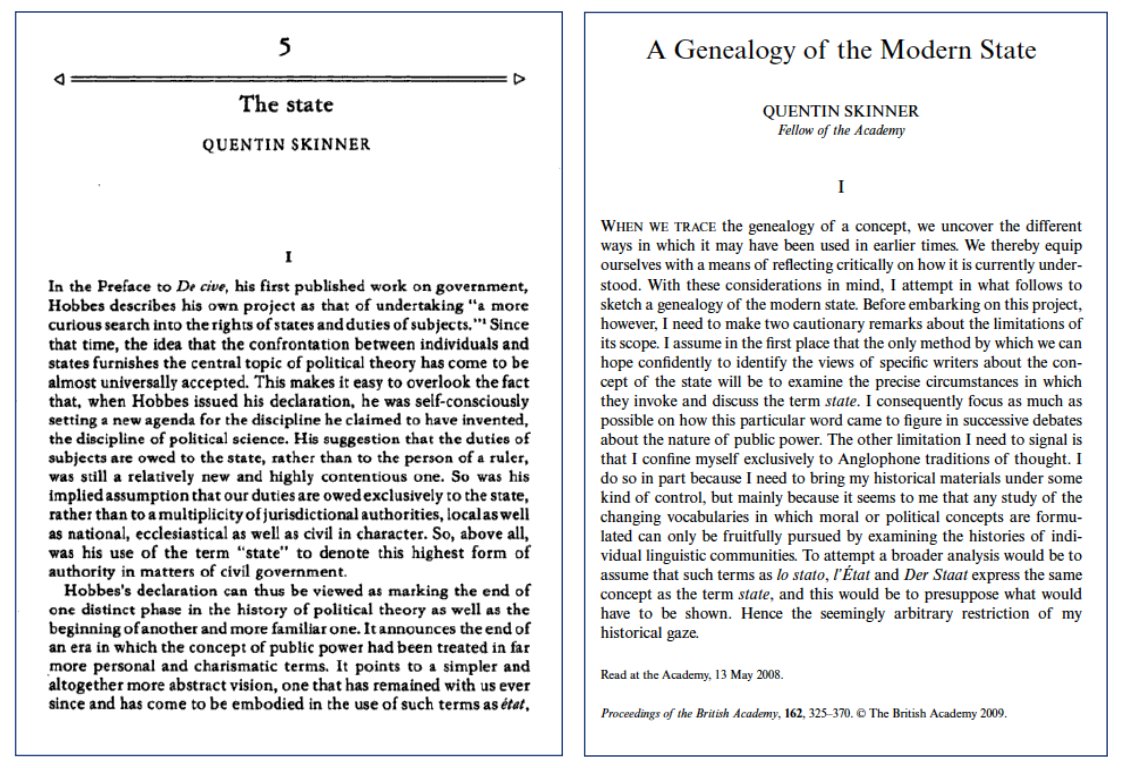
3:12 PM · Mar 10, 2026 · 15.3K Views
1 Reply · 78 Reposts · 396 Likes
Comical before it is stupid
This uncritical attitude of European intellectuals is worth noting: i n the preface to his book on the United States [Les Etats- Unis d ‘aujourd hui, Paris 1928] , [Andre ] Siegfried compares the artisan of a Parisian luxury goods industry to the Taylorized American worker, as if the former were a common type of worker. In general , European intellectu als think that Babbitt is a purely American type and are delighted with old Europe . This anti Americanism is comical before it is stupid .
Source: Gramsci SCW 278-9 (05§105)
HEY READERS,
THANK YOU for opening the Chartbook email. I hope it brightens your day.
I enjoy putting out the newsletter, but tbh, what keeps this flow going is the generosity of those readers who clicked the subscription button.

If you are persuaded to click, please consider the annual subscription of $50. It is both better value for you and a much better deal for me, as it involves only one credit card charge. Why feed the payments companies if we don’t have to.
Why China chose a “less suitable” Soviet sub-machinegun. It’s all about the presses!
For contributing subscribers only.
In times like this ….

John Koenakeefe Mohl; South African 1903-1985; Miners at Sunset, Some On, Some Off Duty, near Carletonville
If you’ve scrolled this far, you know you want to click: