
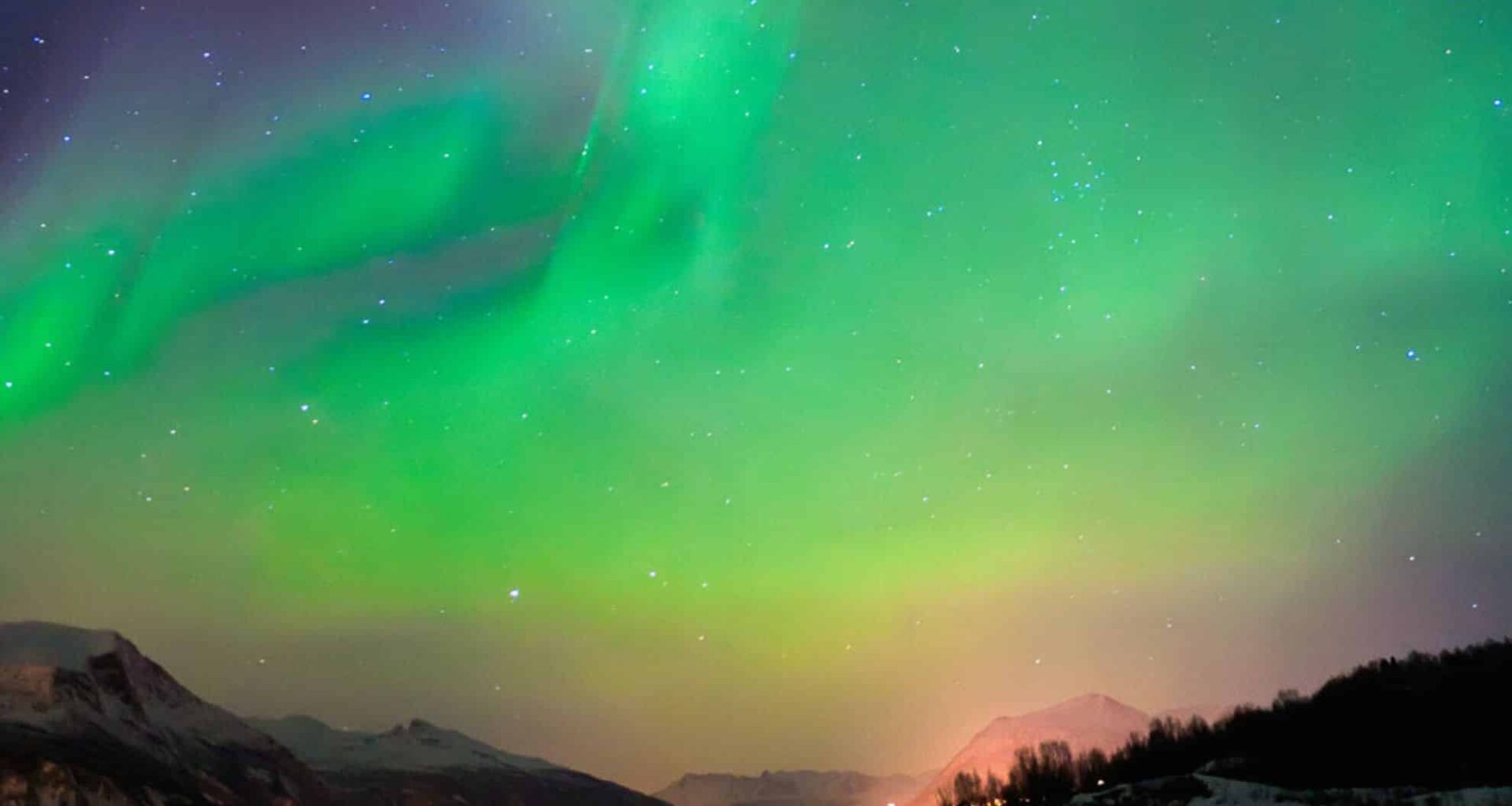
Tonight, July 12, 2025, skywatchers across specific parts of the United States will have the rare opportunity to witness the northern lights. According to the National Oceanic and Atmospheric Administration (NOAA), this celestial event is forecasted to be a moderate display, visible to the naked eye under the right conditions. A Kp index rating of 3 indicates that the auroras will be quite visible, offering a spectacular light show without the need for any special equipment. If you’re located in the northern regions of the U.S., this could be your perfect opportunity to catch a glimpse of the mesmerizing auroras. For more details about when and where to catch the northern lights, the NOAA’s Aurora Viewline can give you detailed information on where exactly to look for the best views of the northern lights.
What to Expect from the Northern Lights Display
For those hoping to catch a glimpse of the northern lights tonight, this display is set to be moderate in intensity. The Kp index—a scale from 0 to 9 that measures aurora activity—has forecasted a rating of 3, which means that the auroras will be visible from areas further south than usual. With a Kp index of 3, the auroras will be quite “pleasing to look at” but may not be as vibrant or widespread as those seen during more intense solar storms. That said, you can expect the sky to light up in beautiful hues of green, blue, and pink, as the solar wind interacts with Earth’s magnetic field. While these auroras are not the most powerful, they are still a spectacular phenomenon to witness. The light display will extend further from the poles, making it visible to people who don’t typically see the northern lights, especially those living in the northern U.S.
Best Times to View the Northern Lights
The best times to view the northern lights tonight will be around midnight to just before sunrise. This is because auroras are only visible after dark, and the northern lights are most visible during the hours when the sky is darkest. The exact time varies depending on your location, but you should aim for the hours between 12:00 AM and 3:00 AM local time. The intensity of the auroras, as indicated by the Kp index, means the lights will be visible further south than usual, and they may even be brighter and more active. However, weather conditions are essential for visibility. Clear, cloud-free skies with little to no rain are ideal for seeing the lights in their full glory. If you’re in an area with heavy cloud cover or a lot of light pollution, you might not get the best view.
Where to See the Northern Lights
If you’re located in the northern U.S., you’re in luck. According to NOAA’s aurora viewline, the northern lights will be visible from the northernmost parts of the country, making it a great opportunity for those in areas typically out of reach for aurora viewing. These regions include Alaska, Northern Washington, Northern Idaho, Northern Montana, North Dakota, Minnesota, Northern Wisconsin, and the northernmost tip of Michigan. For the best chance to see the auroras, find an area as far north as possible. While the lights will extend further south due to the Kp index rating, locations closer to the poles have a higher likelihood of offering clear and vivid views. If you’re in one of these areas, keep an eye on the sky tonight for the colorful display.
How to Watch the Northern Lights
One of the most amazing aspects of the northern lights is that you don’t need any special equipment to witness the display—just your naked eye and a location with clear skies. The auroras are visible to the naked eye, and all you need is a spot away from light pollution, such as the bright lights of a city. To get the best view, venture to a location as dark as possible, preferably in an area where artificial lights are minimal or non-existent. Many people head to national parks, remote locations, or mountain ranges for optimal viewing. The darkness of your surroundings will allow you to see the full beauty of the auroras, as artificial light can often drown out the colors. In addition to finding a dark spot, it’s important to look toward the northern horizon, as the auroras typically appear in this direction.