
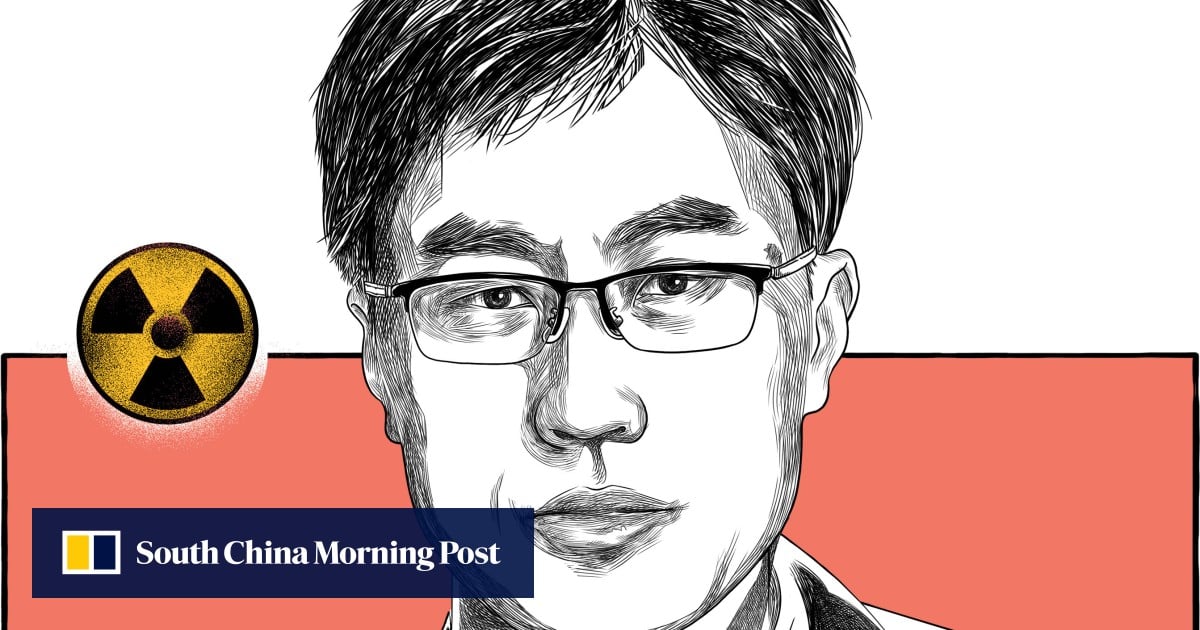
Zhao Tong is a senior fellow with the Nuclear Policy Programme at Washington-based think tank the Carnegie Endowment for International Peace, and its East Asia-based research centre on contemporary China, Carnegie China.
His research focuses on strategic security issues, including nuclear weapons policy, deterrence, arms control, non-proliferation, missile defence, hypersonic weapons, regional security in the Asia-Pacific, and China’s security and foreign policy. This interview first appeared in SCMP Plus. For other interviews in the Open Questions series, click here.
US-Israel military strikes against Iran have killed its supreme leader, Ayatollah Ali Khamenei, and other major military and political figures. How do you foresee Iran’s nuclear programme and the broader Middle Eastern security architecture evolving in the coming years?
It’s very hard to predict how the situation will develop at this stage. Although the US and Israel have achieved initial success in decapitating the Iranian leadership, there is still a real risk that the military operation could be prolonged. Iran could impose massive costs through retaliation, and the war could escalate horizontally to involve additional regional countries. It would also be very challenging for the US and Israel to fully rely on an air campaign to change the regime.
At the same time, the US and Israel have very limited munitions, including both precision strike weapons and missile and air defence, which could constrain their ability to sustain the intensive military operation for a long time without depleting munitions needed for other theatres.
There is a possibility that Iran could try to exhaust the US and Israeli forces for a long time so that their military operation fails to achieve its goal of regime change.
02:22
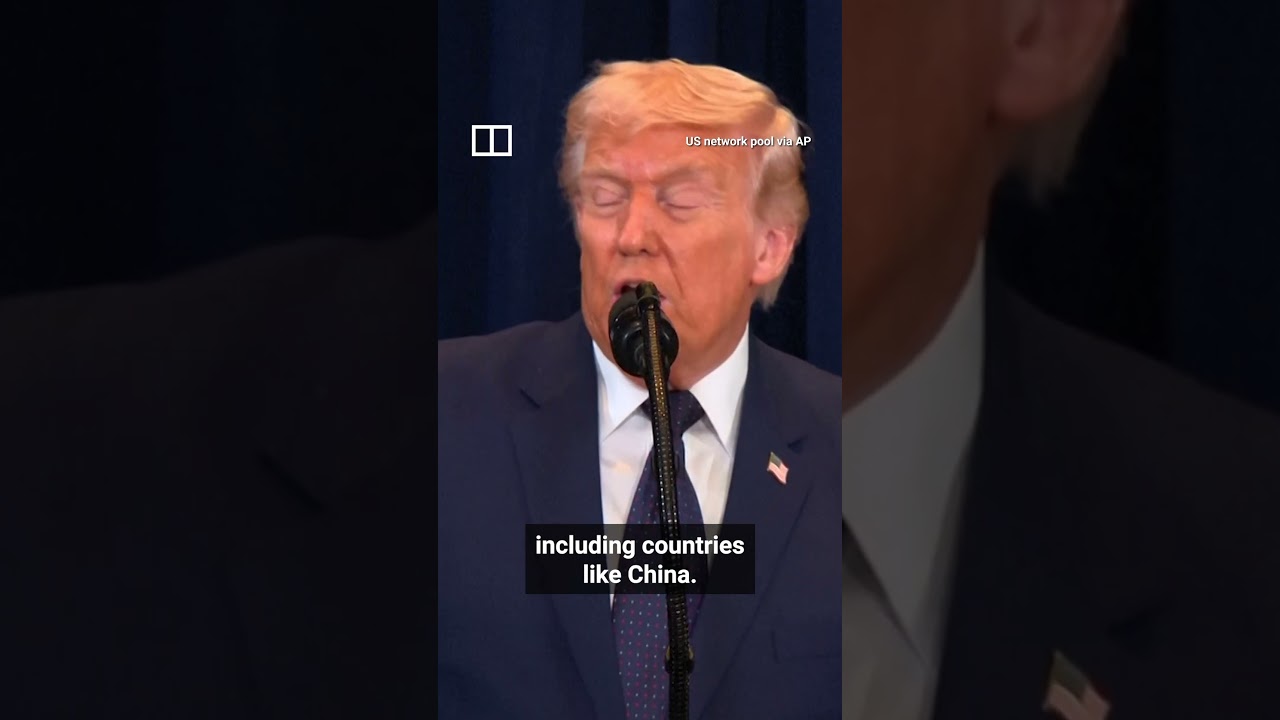
Trump says US objectives in Iran ‘way ahead of schedule’ and attacks may end ‘soon’
Trump says US objectives in Iran ‘way ahead of schedule’ and attacks may end ‘soon’