
Your support helps us to tell the story
From reproductive rights to climate change to Big Tech, The Independent is on the ground when the story is developing. Whether it’s investigating the financials of Elon Musk’s pro-Trump PAC or producing our latest documentary, ‘The A Word’, which shines a light on the American women fighting for reproductive rights, we know how important it is to parse out the facts from the messaging.
At such a critical moment in US history, we need reporters on the ground. Your donation allows us to keep sending journalists to speak to both sides of the story.
The Independent is trusted by Americans across the entire political spectrum. And unlike many other quality news outlets, we choose not to lock Americans out of our reporting and analysis with paywalls. We believe quality journalism should be available to everyone, paid for by those who can afford it.
Your support makes all the difference.Read more
The crisis in the Middle East will cause the largest spike in food prices since Vladimir Putin’s invasion of Ukraine, the boss of a major farming union has warned.
Meanwhile, fruit and vegetable producers have warned that the UK may see empty supermarket shelves if nothing is done to support the sector amid escalating turbulence.
Tom Bradshaw, the chairman of the National Farmers’ Union, told The Times that US-Iran conflict had triggered an “inflationary wave” that is likely to peak in the autumn.
However, he said food inflation is unlikely to surpass the 19.2 per cent rise in the year to March 2023, the 12-month period after the start of the Ukraine war.
open image in gallery
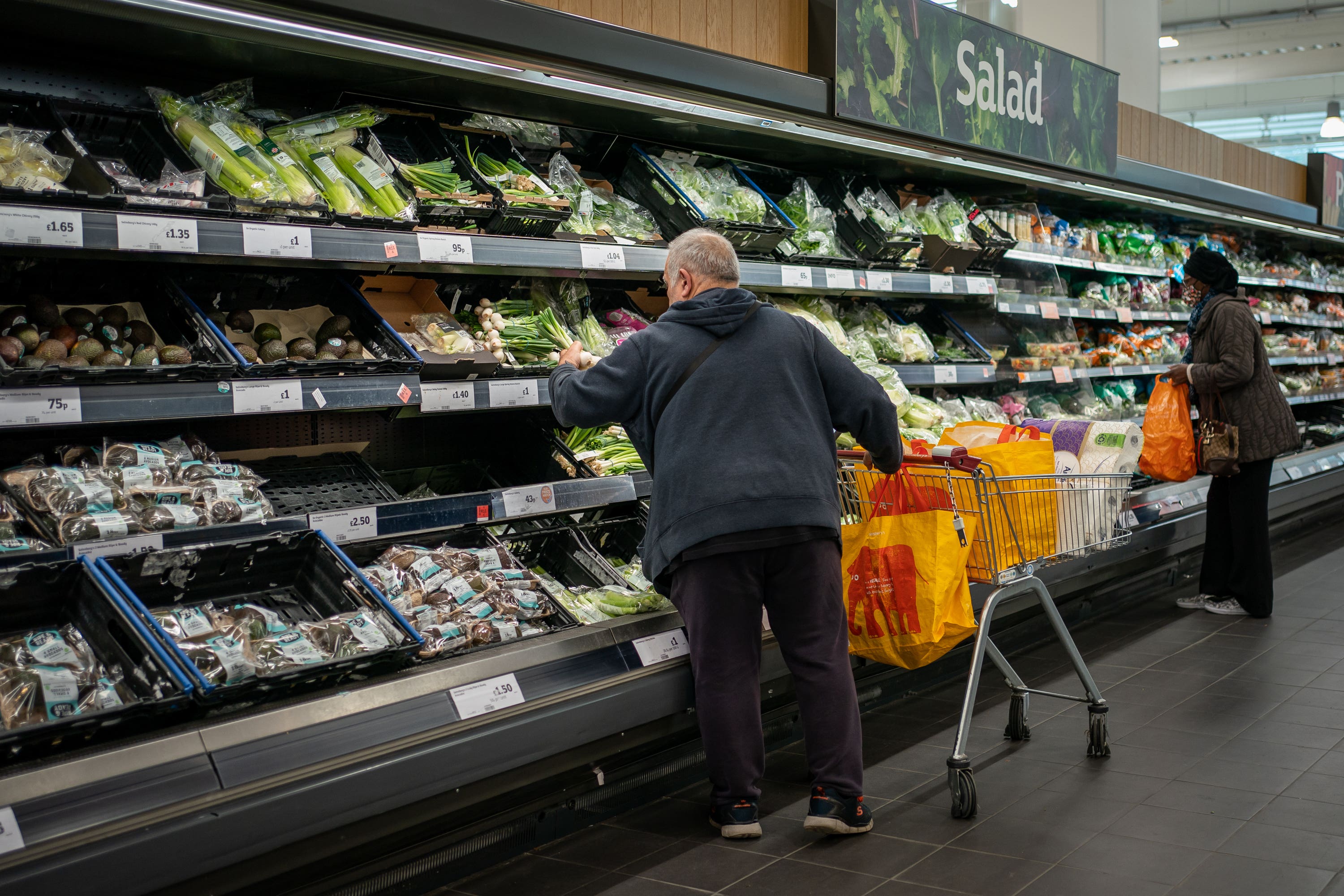
NFU boss Tom Bradshaw warns the UK may see empty supermarket shelves if the agriculture sector is now supported (PA Archive)
The union chief also warned that profiteering by fuel and fertiliser suppliers may also be worsening inflation.
Speaking after a meeting with the Department for Environment, Food and Rural Affairs (Defra) to discuss the UK’s food resilience last week, Mr Bradshaw added: “We’ve already seen this situation play out with the Russian invasion of Ukraine which drove an ongoing cost of living crisis here.
“And, with the removal of farm support, which added a layer of resilience for many farm businesses, farmers are more exposed than ever to global markets.
“While the impact on food production and food price inflation will depend on what happens over the coming weeks, it is yet another sobering reminder of the need to build resilience in UK farming.”
The latest warnings from the NFU come after fruit and vegetable producers said they may be forced to halt production and end the season early because of the rising price of energy and transportation costs following the war in Iran.
Lea Valley Growers Association (LVGA) secretary Lee Stiles warned that supermarket shelves may be empty if nothing is done to support the industry.
He said: “Growers are in the same position now as they were when Russia invaded Ukraine, because the wholesale gas prices are creeping up.
“With rising costs, many growers are thinking they might as well send the staff home, stop for the season and not produce anything.
“They’re going to have to make a decision in the next few weeks as to whether or not it’s going to be economic to continue for the rest of the year.”
LVGA covers 70 glasshouse growers, mostly around the London border, but also across the country. They are the biggest grower of cucumbers in the UK, and also produce sweet peppers, aubergines and tomatoes.
If growers cannot afford to turn their boilers on, the glasshouses are no longer heated, meaning that the crops will stop growing and reduced yields will result.
Mr Stiles added: “Back in 2022 when Russia invaded Ukraine, we ended up with empty shelves in the supermarkets.
“The supermarkets agreed a fixed price with growers last year. They can intervene now if they wish and agree to pay more for the produce because of the increased cost of production.
“But it looks as though they’re prepared to have empty shelves again and reduced availability.”
open image in gallery
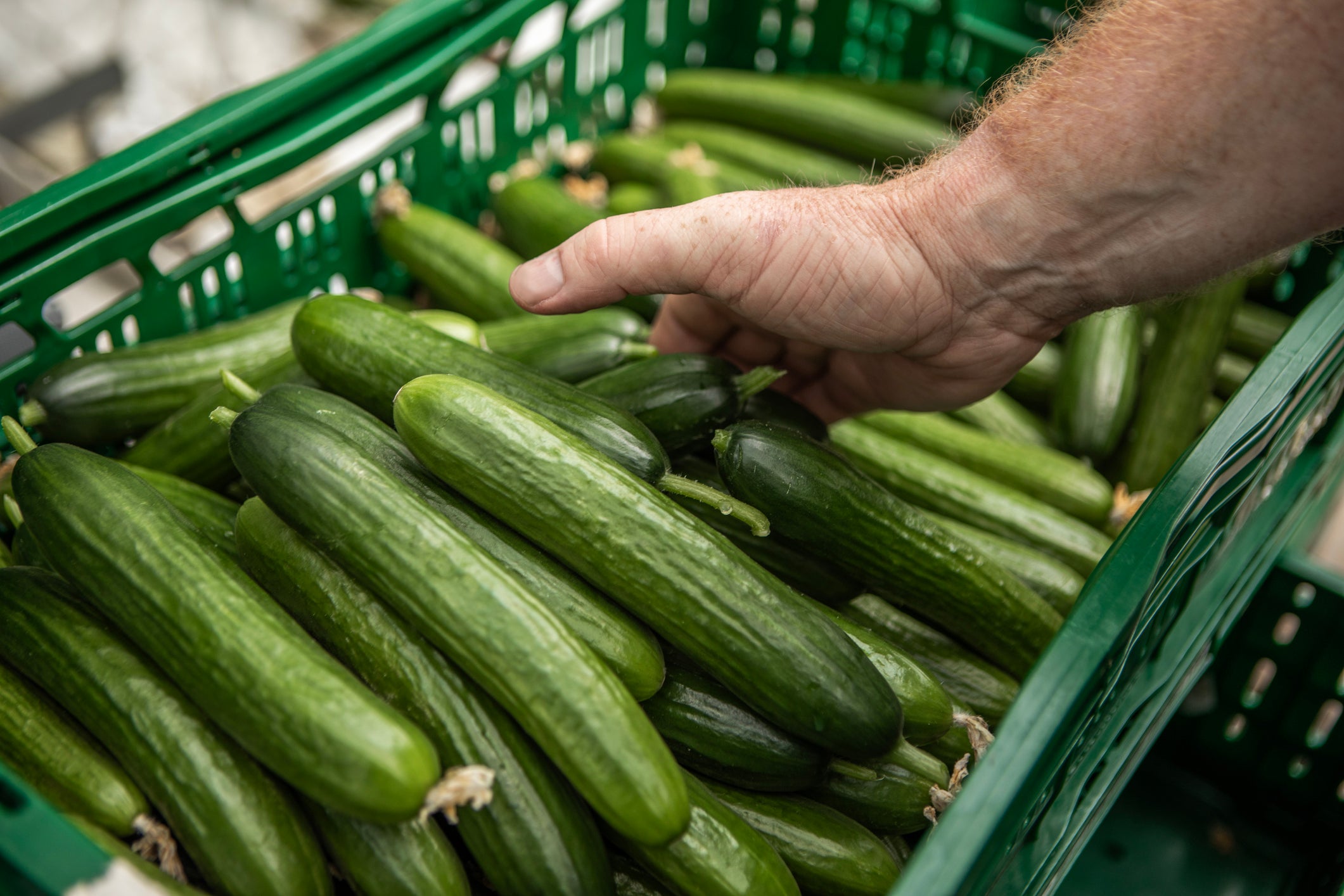
Many local growers will decide in the next week if it is economic to continue the season, warns the Lea Valley Growers Association (Getty/iStock)
The sentiment was echoed by Rachael Williams, from the West Sussex Growers Association, who said: “I have touched base with our growers and everybody’s obviously worried. They are worried about what will happen, how it will develop, and the uncertainty of it all.”
Sir Keir Starmer, meanwhile, issued a firm warning to energy bosses, saying he “simply will not allow companies to make huge profits from the hardship of working people”.
He said the government had issued a “legal direction” to energy companies to pass on savings from government policies already announced, as well as raising concerns about claims that suppliers of heating oil have cancelled orders and then hiked bills as prices have surged.