
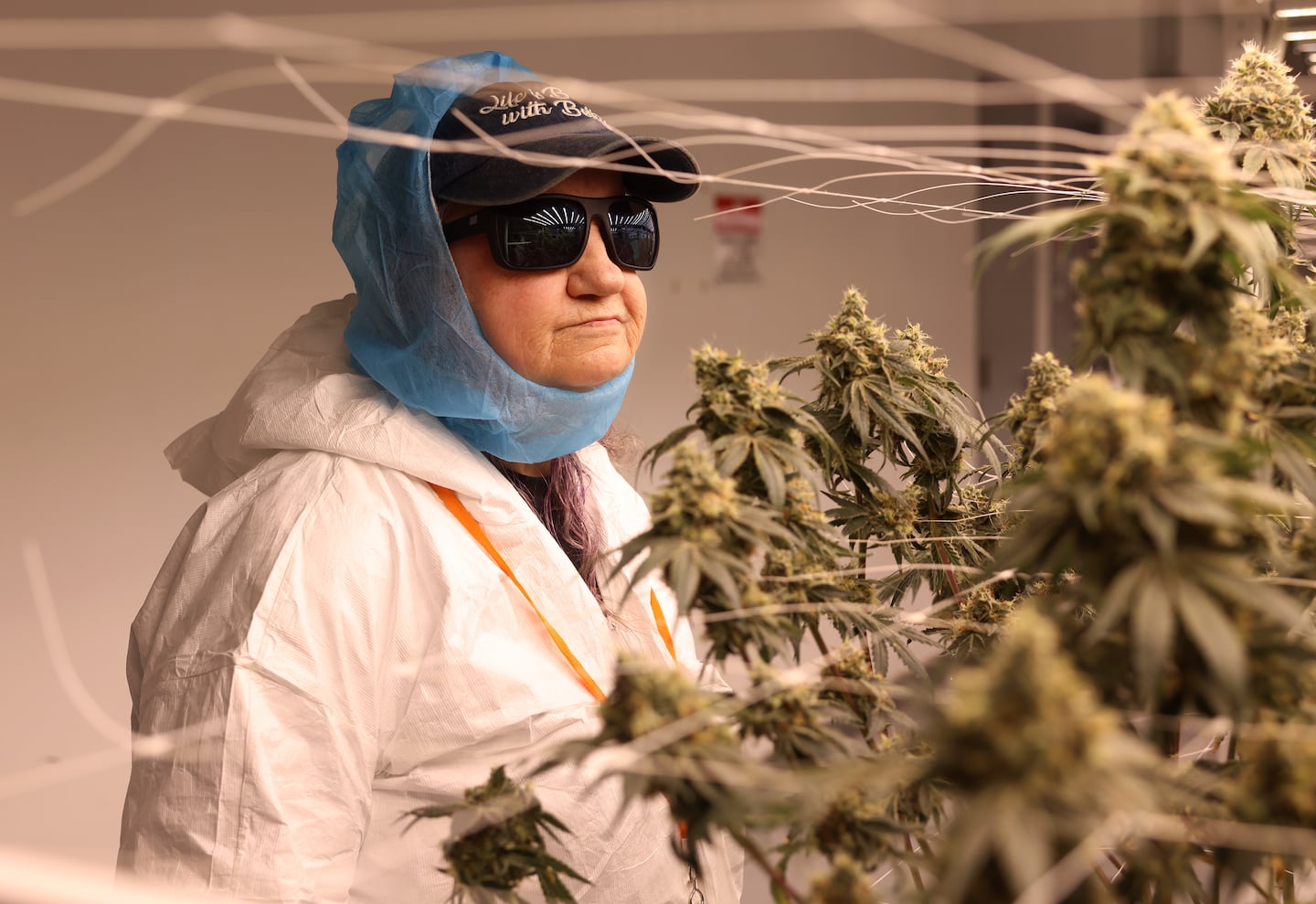
Brodin isn’t alone. For much of the last decade, many seniors have rapidly embraced weed as an alternative to pharmaceuticals or over-the-counter drugs for treating pain and sleep issues.
Though younger cannabis enthusiasts still outnumber older users in Massachusetts, daily use for 56- to 65-year-olds grew the fastest of any demographic in the state, roughly 70 percent, between 2019 and 2023, according to a Cannabis Control Commission report released last week.
Doctors and researchers caution these trends may present health risks as product potencies rise and more seniors turn to recreational dispensaries without medical consultation.
At the same time, the trend has been good for dispensaries, serving up a small but surging growth engine to an industry in a downturn.
And seniors spend more, too: Data analytics firm Headset found that baby boomers had the highest average order value among cannabis buyers in 2023.
Brodin has been a marijuana user for more than 50 years, but in the four since becoming a medical cannabis patient, she’s been imbibing and spending more, particularly on edibles meant to aid sleep. Her spending has risen from around $300 per month on edibles a few years ago, to stocking $240 worth of product every few weeks, she said.
“Legalization has sort of opened the floodgates,” said Sara Rosenfield, brand director at Betty’s Eddies, a Massachusetts-based edibles brand owned by MariMed Inc., which said it more than doubled its sales to seniors between 2022 and 2025.
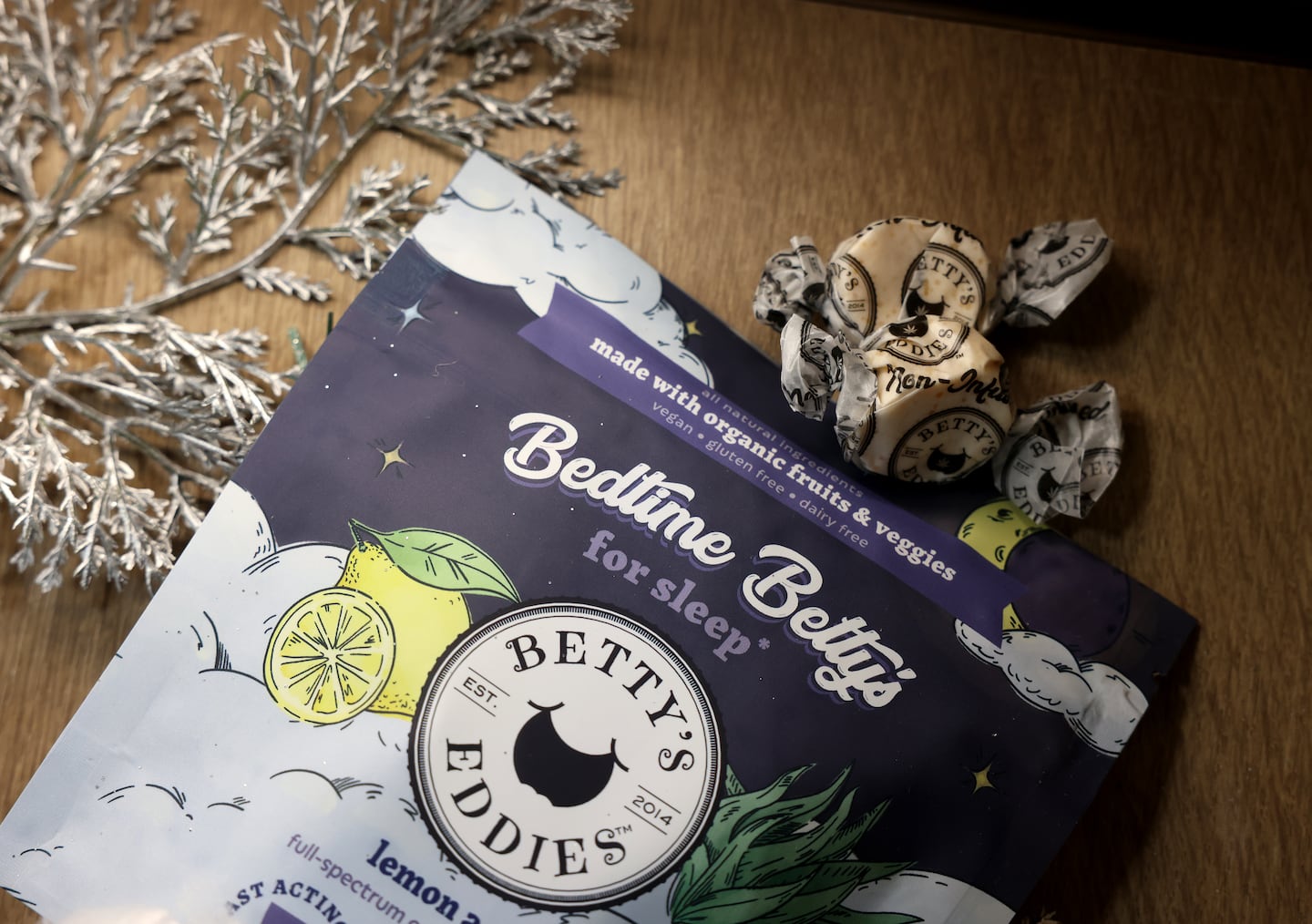 Bedtime Betty’s for sleep are edibles in the Betty’s Eddies line at Thrive Dispensary.Jessica Rinaldi/Globe Staff
An analysis of national drug survey data published in 2020 by the Journal of the American Medical Association found marijuana use among seniors soared between 2015 and 2018 — at the same time that six states, including Massachusetts, Vermont, and Maine, legalized recreational sales.
“It was amazing to come to Massachusetts and all of a sudden not be a criminal,” said Beverly Moran, 70, a retired law professor in Brookline, who moved from Tennessee in 2020.
Plagued her whole life by a chronic pain condition largely untreatable with prescription or over-the-counter remedies, Moran began using cannabis at 17, doing so in secrecy and fear until she moved to Massachusetts and got a medical card six years ago.
“This isn’t reefer madness. I’m not some lowlife,” Moran said. “I don’t use it unless I’m in pain. But I am in pain a lot.”
Seniors dealing with persistent pain, insomnia, anxiety, and other chronic conditions have long been able to seek medical cannabis certification in Massachusetts, where treatment dispensaries opened in 2015. Still, business owners said adult-use sales have brought a new surge of older customers that is still rising.
Victor Chiang, chief executive of retailer Redi, which has stores in Newton and Natick, said widescale legalization means the “barrier to experimenting and giving this a shot versus an Ambien or something is just so low.”
When his recreational cannabis company first opened in 2021, shoppers 65 and over accounted for roughly 4.5 percent of Redi’s business. Now that figure has about doubled.
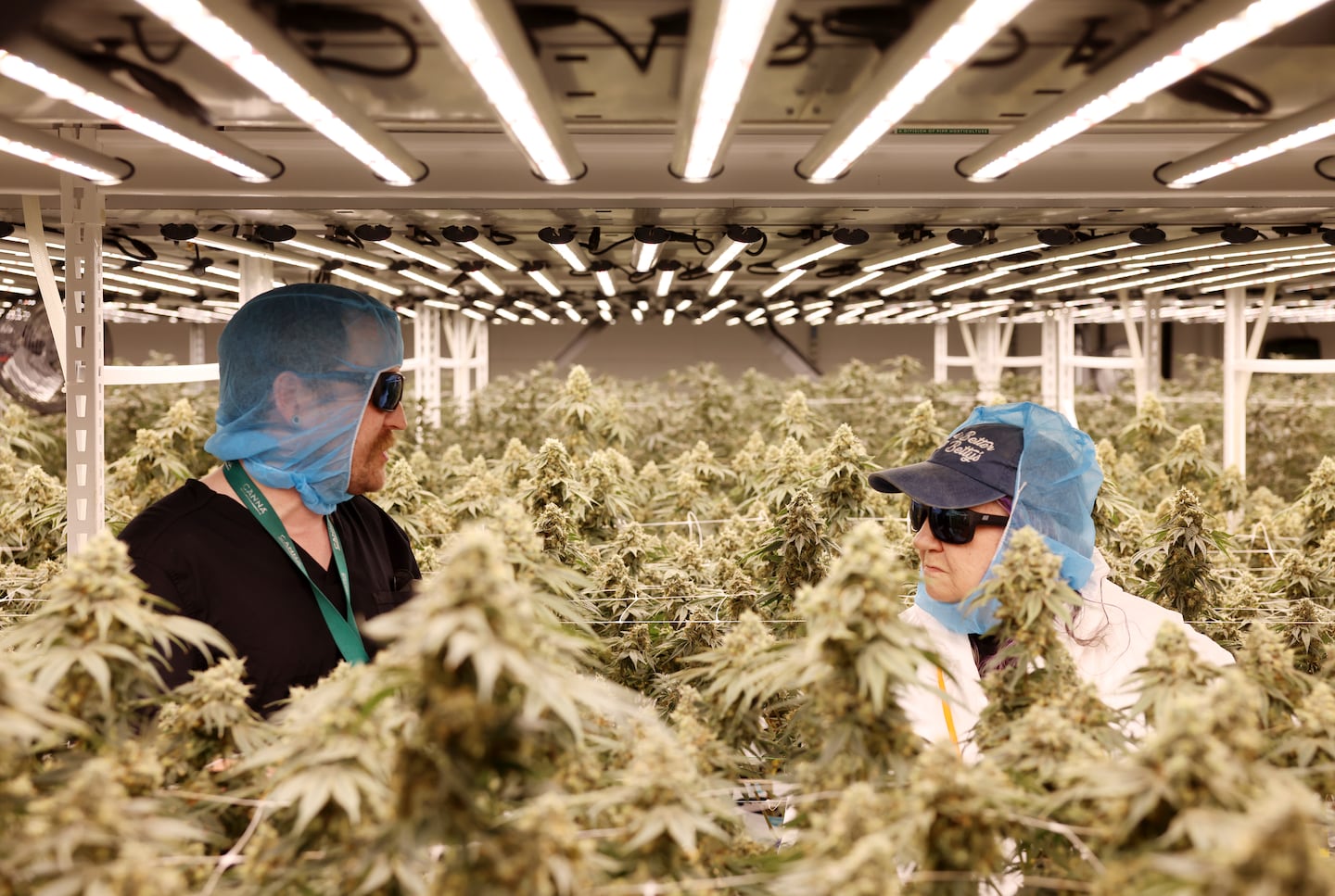 Cultivation manager Brian Kelley (left) gave Brodin a tour of the grow house at Thrive Dispensary.Jessica Rinaldi/Globe Staff
Other retailers have seen similar growth from senior buyers.
At The Green Lady Dispensary on Nantucket, seniors have become the backbone of regular customers, especially during off-season winter months, said co-owner Cleantha Campbell. Older adults are also driving large edible sales at their Newton location.
“A lot of them are just genuinely really excited, especially when it’s their first time shopping legally,” Campbell said. “They haven’t maybe smoked or ingested cannabis in decades.”
MariMed, owner of Betty’s Eddies, projects its senior sales will increase more than 90 percent this year compared with last year across its three Massachusetts dispensaries. “The reality is people are using these products to improve their lives, whether that’s in a … recreational fashion or medical fashion,” said Ryan Crandall, chief commercial officer of the multistate cannabis operator.
The line between recreational and medical marijuana use is further blurring as some medical marijuana treatment facilities have shuttered in recent years. Medical revenues declined by half between 2021 and 2025, with patient enrollment dropping almost 20 percent since it peaked half a decade ago, according to Cannabis Control Commission data.
Medical treatment centers follow stricter regulations, including higher licensing fees and requirements to grow their own cannabis, though they can also allow access to higher potency products.
While medical marijuana is untaxed, and therefore generally cheaper than recreational cannabis, plummeting retail prices have also lessened the incentive for some consumers to pursue medical certification.
Moran, of Brookline, was more comfortable shopping at a local medical-only store, Revolutionary Clinics, until its nearby location closed in 2024, she said.
Doctors agree that going the medical route, in consultation with health care providers, is safer for seniors than wading into the commercial market on their own.
Dr. Peter Grinspoon, a primary care physician and addiction specialist who works with medical cannabis patients at Massachusetts General Hospital, said retail workers “generally recommend doses that are way too high,” worsening issues around a lack of proper patient education.
“The problem with dispensaries is that you get your information from the nice, friendly, enthusiastic people that work there called budtenders, but they’re not medically trained in anything,” he said.
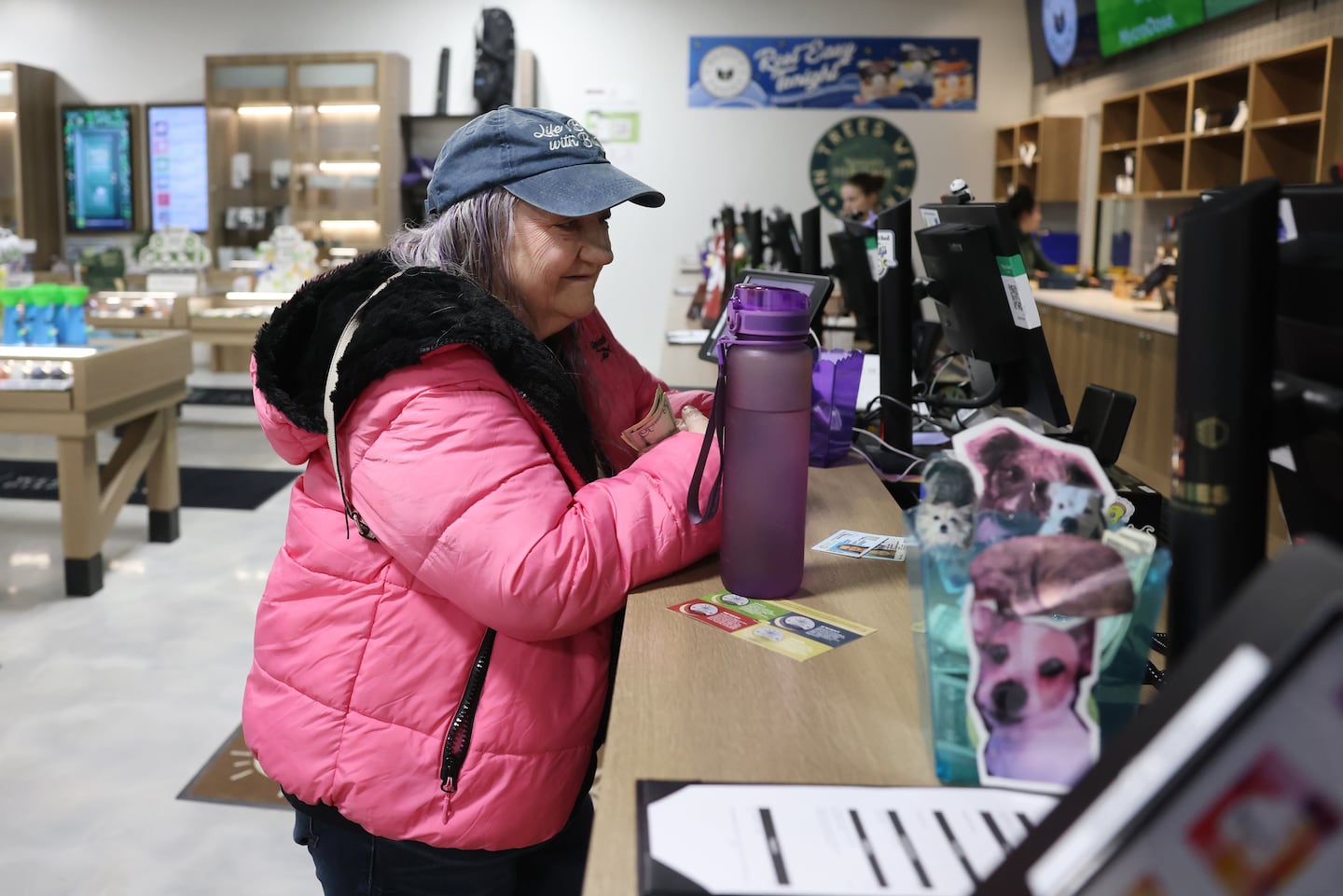 Brodin put in an order for edibles and flower.Jessica Rinaldi/Globe Staff
Surveys show stigma around marijuana use remains prevalent in older populations. Only 56 percent of monthly users over 50 discussed cannabis with their health care providers, a 2024 University of Michigan survey found.
Brodin said her primary care doctor “was never going to even take me on as a patient with THC in my system,” so she doesn’t broach the subject, instead doing her own research on the drug, she added.
Weed gummies and drinks have also been linked with overconsumption among older cohorts when they were legalized for adult use in Canada and Colorado. Nationwide, emergency room visits resulting from cannabis rose over 300 percent among adults 50 and older using the drug for medical reasons between 2016 and 2023, according to UMass Chan Medical School and CDC researchers. The majority of visits did not result in hospitalization.
While edible potency in Massachusetts is capped at 5.5 mg per serving, products are still much more potent than people who tried marijuana years ago might expect. When medical marijuana was legalized in Massachusetts, national pot potencies were already three times higher than they had been in 1995, and they’ve only risen since.
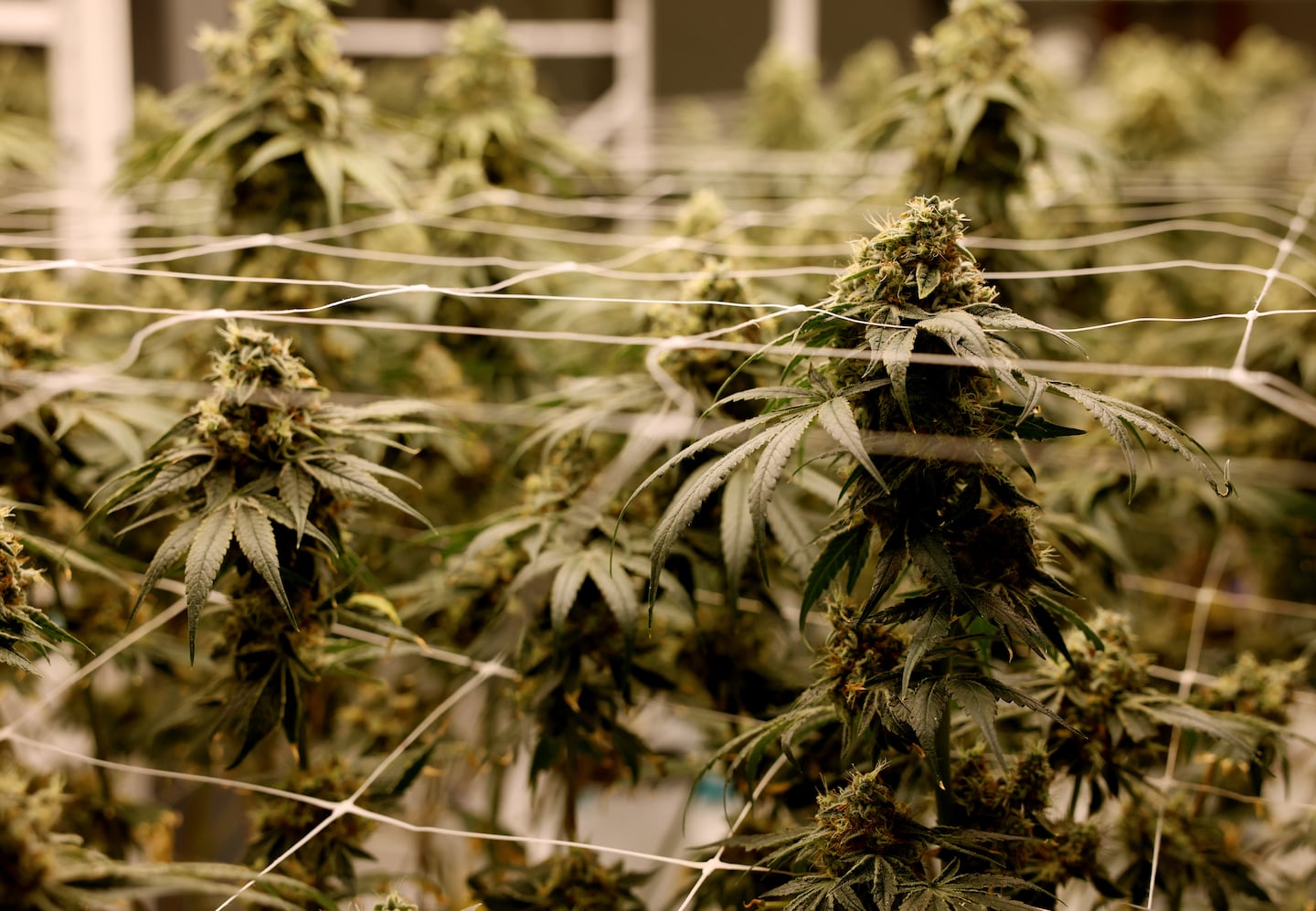 Cannabis inside a grow room at Thrive Dispensary.Jessica Rinaldi/Globe Staff
Danielle Haley, an assistant professor of community health sciences at Boston University, said higher potencies present “a heightened risk of developing a use disorder.” Addictive, clinically impairing cannabis use rose sharpest among seniors in roughly the last two decades, according to research she led last year using Veterans Health Administration diagnostic records.
“I think there is a case where some people say yay and some people say nay,” said Brodin, adding, “I like being able to go to the dispensary … it’s convenient.”
Bryan Hecht can be reached at bryan.hecht@globe.com. Follow him on Instagram @bhechtjournalism.