
Key TakeawaysMarket watchers expect the Fed to hold interest rates steady at its meeting this week.The spike in oil prices caused by the US war with Iran has the potential to put upward pressure on inflation.As a result, economists and traders expect fewer interest rate cuts in 2026.
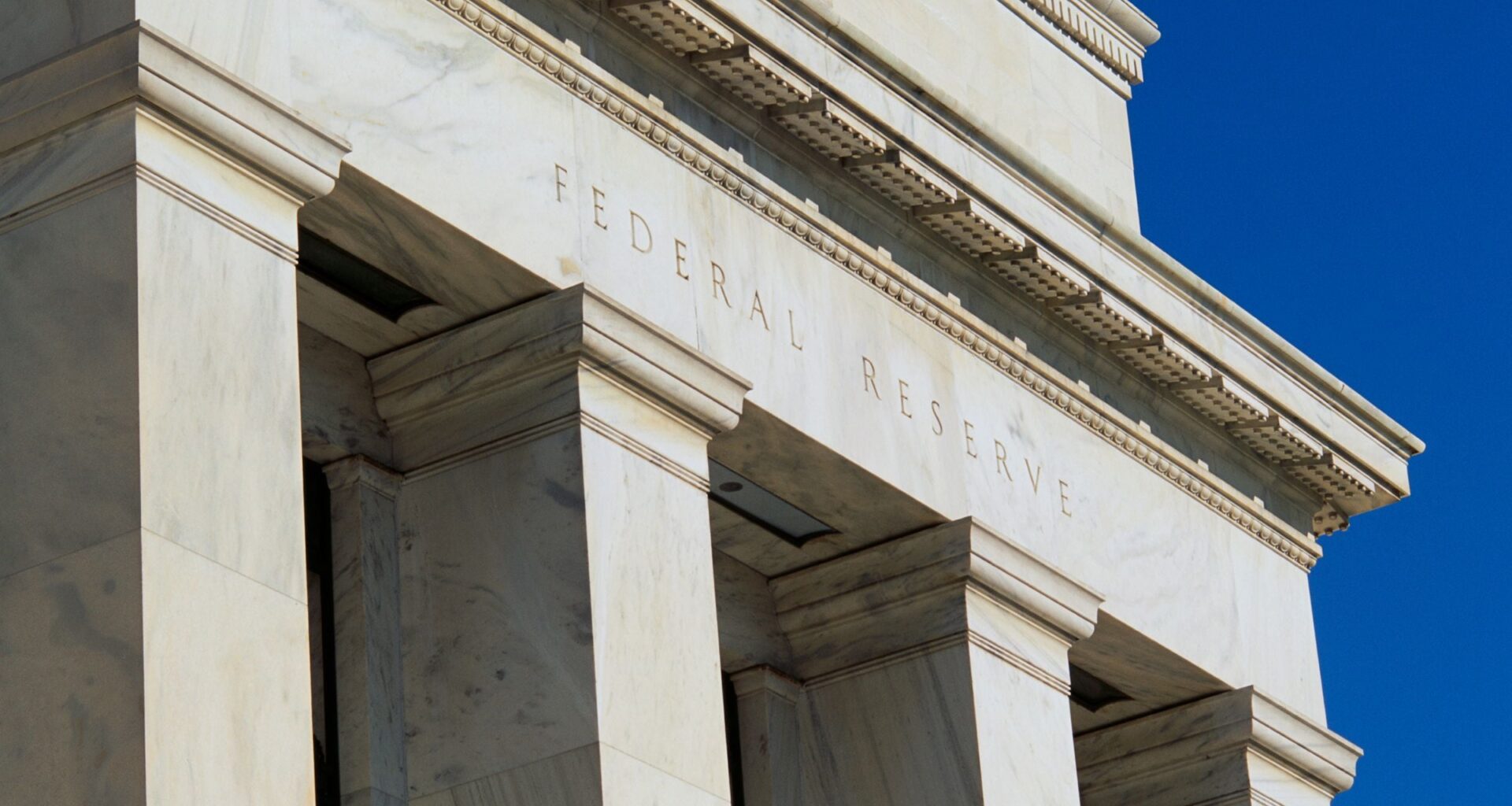
Federal Reserve officials will meet this week to decide on the course for interest rates against a very different backdrop than they had for their last meeting in January.
Analysts and bond futures markets are confident that when the Fed meets on Wednesday, it will not make any changes to the federal-funds rate target, which is at a range of 3.50%-3.75%. However, the impact of the ongoing US war with Iran will undoubtedly shape the discussion and inform future decisions. The spike in oil prices caused by the war could put upward pressure on inflation, raising energy prices for consumers and businesses. Though energy prices are not typically included in “core” measures of inflation, they could trickle down to the goods and services that make up that core index.
“We don’t think there’s going to be any change at this meeting,” says Josh Hirt, senior US economist at Vanguard. But more broadly, “the dynamics have actually changed a reasonable bit.” The war in Iran is the most immediate change, but forthcoming data on inflation and economic growth, along with February’s surprisingly weak jobs report, could also change the calculus for Fed officials.
Wall Street will also be watching for new projections from Fed officials for economic growth and interest rates, though analysts don’t expect the market to put much stock in any forecasts, given how quickly the situation in Iran is evolving.
Fed Will Look Past Oil Price Spikes, for Now
With oil prices still volatile and the consumer impact of inflation still unclear, analysts expect the Fed to remain on hold in the short term. “The war should provoke a stagflationary impulse, with consumer demand dampened while headline inflation rises,” writes Christopher Hodge, chief US economist at Natixis. “This leaves the FOMC with little choice but to remain on hold until it is evident whether growth or inflation is damaged more significantly before adjusting the policy rate.”
Anthony Saglimbene, chief market strategist at Ameriprise Financial, predicts that Fed Chair Jerome Powell and the rest of the FOMC committee will communicate a “very flexible” approach for the weeks ahead.
Vanguard’s Hirt expects the Fed to remain biased toward inaction for now, since it will take time for the growth and inflation effects of the war and higher oil prices to become evident. “There’s not an obvious answer,” he says. “It’s really not the type of shock that monetary policy is designed to address.”
Complicating the picture is muddy jobs data, which looked strong in January but weak in February. Meanwhile, inflation remains stuck well above target. Economists at Wells Fargo described the mix of a weakening jobs picture and higher inflation as “the FOMC’s worst nightmare.” Against that backdrop, they wrote last week, “we expect the FOMC to hold rates steady and maintain maximum flexibility [in March].”
What’s Next for the Fed in 2026?
Further into the future, many on Wall Street have scaled back their expectations for rate cuts. Prior to the start of the war, financial markets were anticipating two 0.25-percentage-point cuts in 2026. Today, they foresee just one. Bond futures traders are pricing in roughly 39% odds that this cut happens in September, according to the CME FedWatch Tool.
Ameriprise’s Saglimbene argues that the central bank will retain a bias toward supporting the labor market and keeping policy loose, even though inflation is still higher than the Fed’s target. His forecast is for two 0.25-point cuts by year end.
“If we do see more impacts from higher oil prices [that] erode road consumer sentiment and you see an uptick in unemployment, I think the Fed would react with more policy support than what the market is anticipating,” Saglimbene says. “I think the market is missing the point that if we do see a larger deterioration in the economic situation because of the Iran conflict, the Fed is probably more likely to cut interest rates.”