
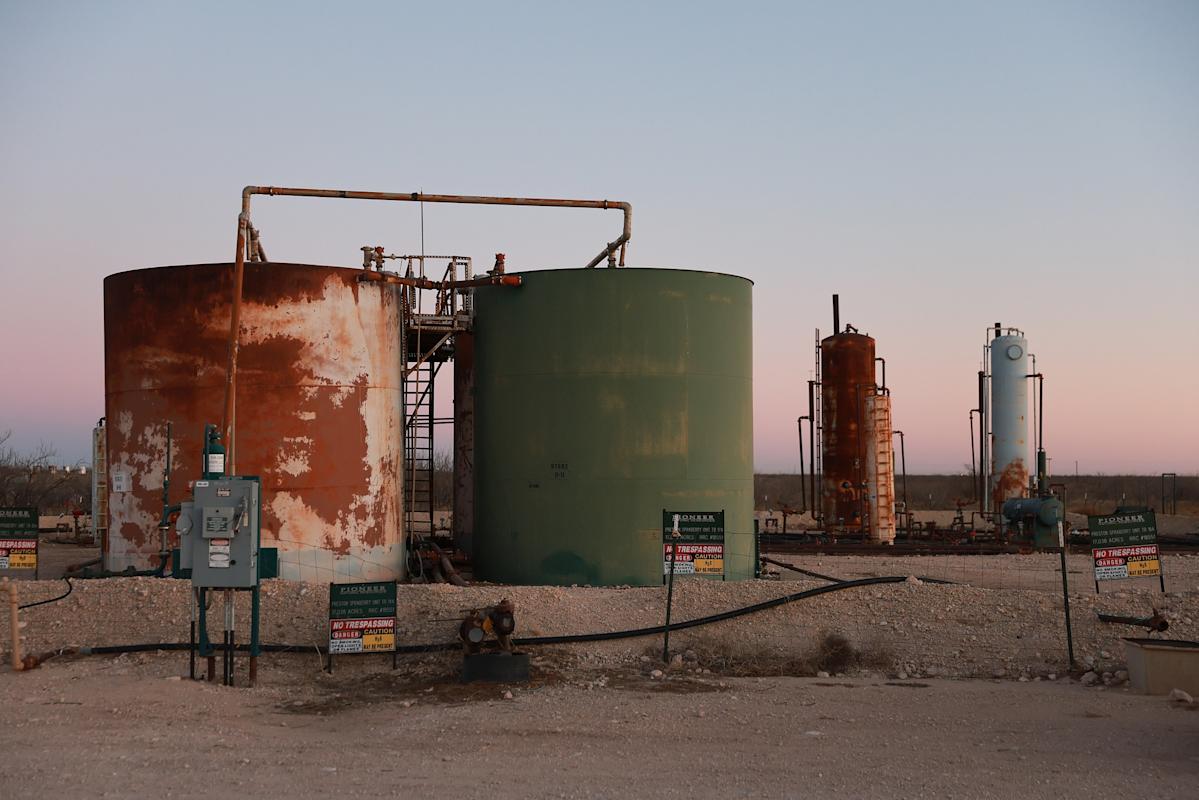
(Bloomberg) — Oil recovered as Iran continued attacks on energy infrastructure around the Middle East and Israel said it killed senior Iranian officials.
West Texas Intermediate traded around $94 a barrel, after slipping almost 5.3% on Monday, the first drop in almost a week. US President Donald Trump reiterated that the US could “knock out” oil on Kharg Island, adding that it hasn’t done so yet because of how long it would take to rebuild. The nation previously bombed military targets on the key Iranian export hub but spared its oil infrastructure.
Most Read from Bloomberg
“We’re not ready to leave yet, but we will be leaving in the near future,” Trump said to reporters at the White House, speaking of Iran.
Operations were suspended at the Shah gas field in the United Arab Emirates, while an Iraqi oil field was also targeted by drones and missiles. Crude loadings from the UAE’s port at Fujairah, the country’s only export hub outside the Strait of Hormuz, were again halted.
The strikes heightened the threat for global supplies with the war in its third week, with a near-complete halt of shipping through the waterway starting to impact consumers, especially in Asia. Scandinavia’s biggest airline, SAS AB, has cut some flights amid higher jet fuel costs, while American Airlines said it may need to raise liquidity if fuel stays elevated.
Oil has risen more than 40% since the war started, but prices eased on Monday as the US prepared to release the first tranche of emergency crude reserves. Israel on Tuesday said it killed senior Iranian officials, including the country’s security chief Ali Larijani. Iran hasn’t confirmed the claim.
“There is still this reservoir of disbelief and hope that this will be over soon,” Bob McNally, president of consultant Rapidan Energy Group and a former White House official, said in a Bloomberg television interview. “But it is not stopping, and crude is marching higher.”
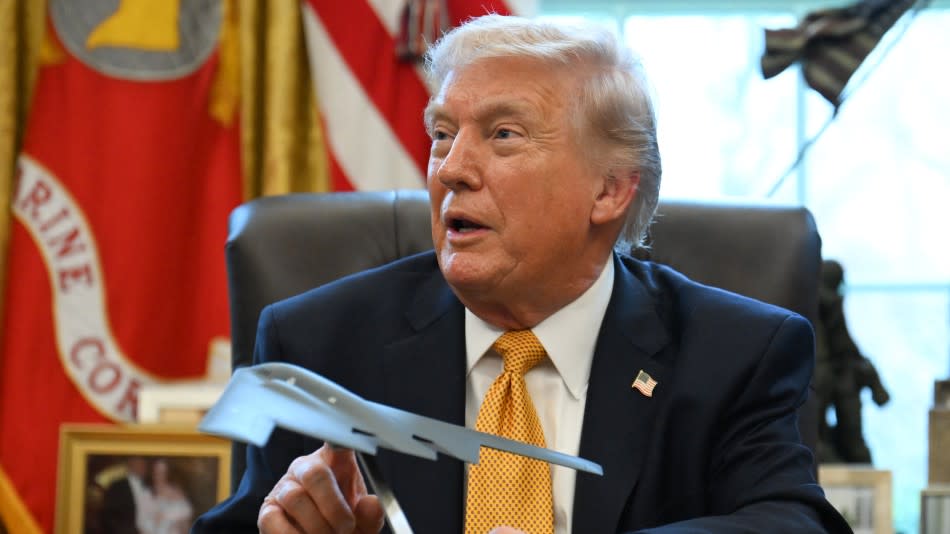 When asked in the Oval Office if the war could end this week, President Donald Trump says “I don’t think so, but it’ll be soon.”
Trump also said Washington is “hammering” Tehran’s capacity to threaten commercial shipping through the Strait of Hormuz, and reiterated his appeals for help from other nations to secure passage.
French President Emmanuel Macron on Tuesday said that his nation won’t join an operation to revive traffic in the Hormuz in the “current context.” Greece’s Prime Minister Kyriakos Mitsotakis said his country and Europe will not participate in any military operations near Iran.
In the Middle East, the UAE and Kuwait have both reduced oil output further. Saudi Arabia is racing to boost exports through an alternative route that bypasses Hormuz.
“There is no plug for a hole this large,” said Dan Ghali, a commodity strategist at TD Securities. “The prospect of a prolonged period of instability in the Middle East grows louder, irrespective of this phase of the conflict.”
Transit through the strait is likely to become “increasingly conditional,” with Iran permitting passage for some vessels depending on their affiliation, JPMorgan Chase & Co. analysts, including Natasha Kaneva said in a note. A series of vessels have made their way out of Hormuz using a route that hugs unusually close to Iran’s coast, according to ship-tracking data compiled by Bloomberg.
The number of Iranian ships crossing the waterway jumped to a wartime high on Monday, according to data compiled by Bloomberg. That included an oil tanker headed for China.
“Iran is looking to escalate and really squeeze the conflict,” Emily Ashford, head of energy research at Standard Chartered, said in a Blooomberg TV interview. “It’s trying to give a deterrence for this to happen again by showing that it can push prices significantly higher.”
–With assistance from Charles Gorrivan, Grant Smith, Jonathan Ferro and Alex Longley.
Most Read from Bloomberg Businessweek
©2026 Bloomberg L.P.