
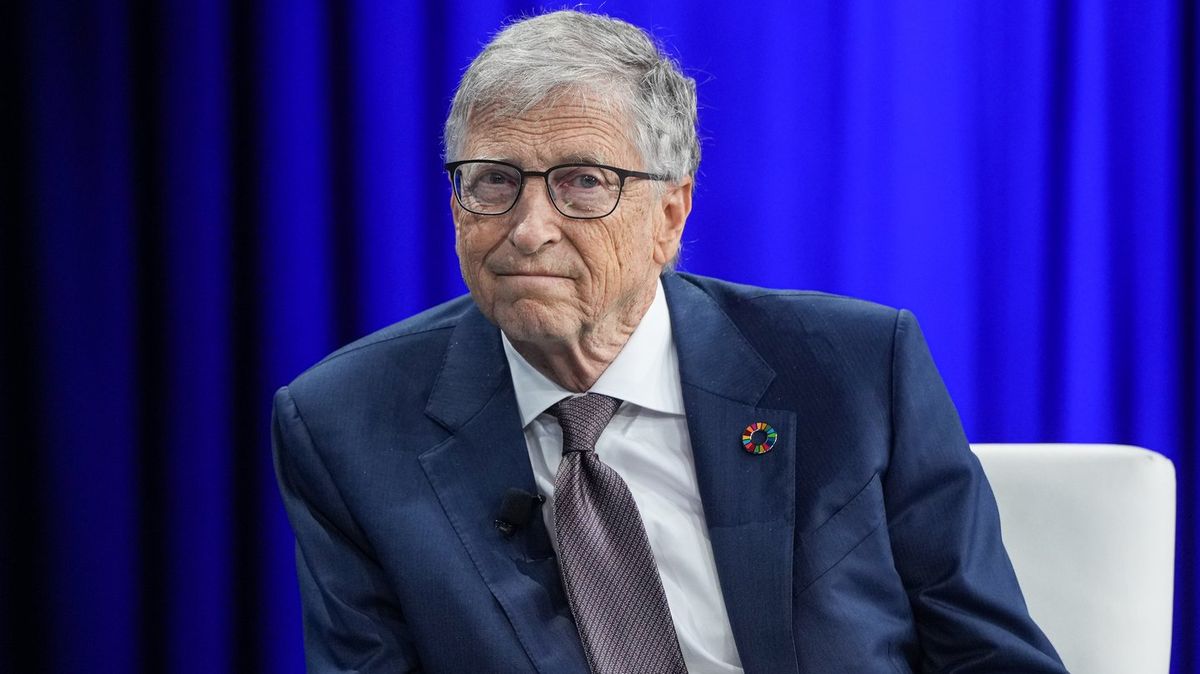
Microsoft co-founder and billionaire Bill Gates has made a bold prediction about the three jobs which will survive the rise of artificial intelligence.
When it comes to technology and the businessman’s thoughts on the subject, many tend to listen – almost as if he led the pioneering of the computer revolution, or something of the sort.
Nowadays, despite not being involved in Microsoft’s day-to-day operations, Gates has shared his thoughts on the changing state of the world.
It’s no secret that AI is becoming more influential, not just in everyday life, but across numerous industries in the working world.
Is AI really taking over people’s jobs?
Yes, an increasing number of companies are integrating AI into their operations, with many seeing it as a revolutionary addition, while others think that it may be the end of their careers as they know them.
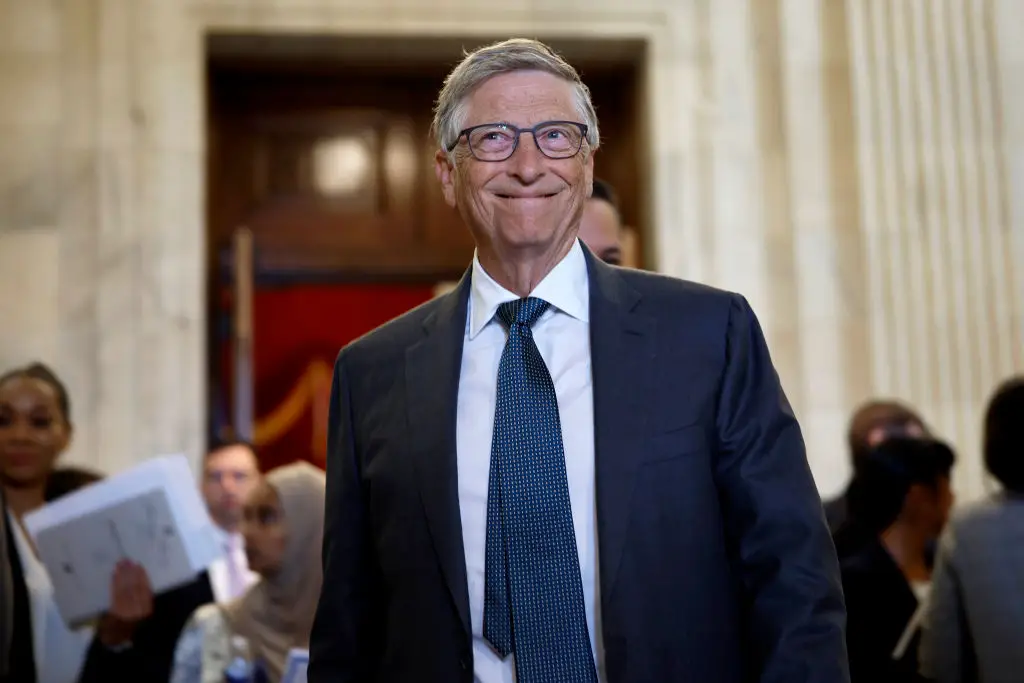 Bill Gates probably isn’t too worried about AI’s potential effect on his career (Chip Somodevilla/Getty Images)
Here in the UK, a study by investment bank Morgan Stanley, per Bloomberg, has found that more jobs are being lost to AI.
British companies reported that AI had resulted in net job losses over the past 12 months, down eight percent – the highest rate among other leading economies, including the US, Japan, Germany and Australia.
However, it’s not all doom and gloom as according to the Economic Times, Gates thinks that this won’t be the case for three professions, which he thinks will make it through the AI revolution.
Coders Coders will come in clutch (Getty Stock Images)
This may come as a surprise to many, but the people who are responsible for actually building the AI systems are highly likely to keep their jobs.
AI may have progressed significantly when it comes to generating code, but it still falls short of the precision and necessary skills required to create complex software.
The 70-year-old believes that human programmers will be needed for debugging, advancing and refining AI – the bottom line is that AI needs people behind it to manage everything.
Coders will not drop in value, in fact, their skills will become more essential.
Biologists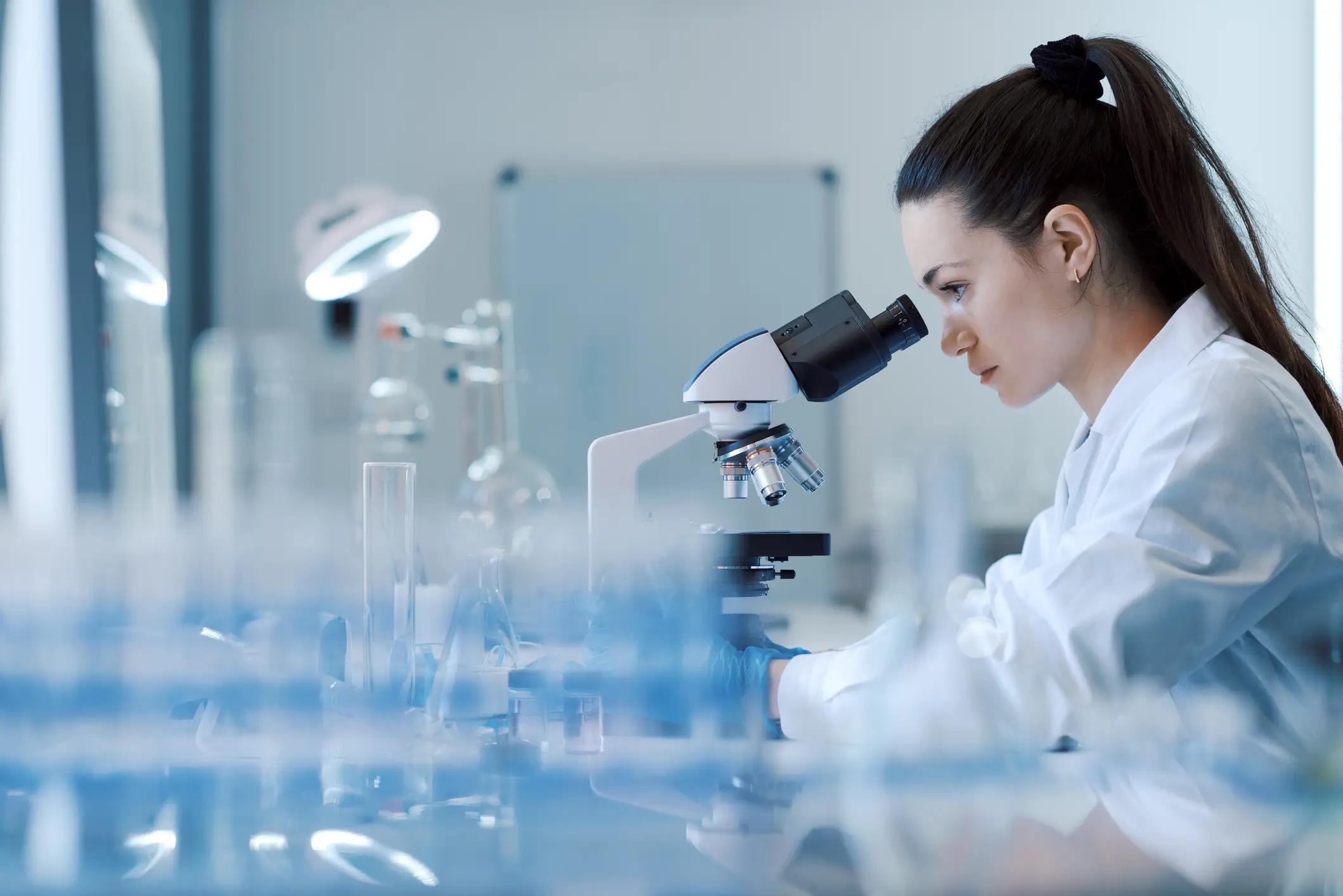 Biologists have qualities AI can’t replicate (Getty Stock Images)
Those particularly in medical research and scientific discovery, relying on creativity and critical thinking, will apparently be safe.
Qualities like this are hard for AI to replicate, with programmes often capable of analysing datasets and diagnosing illnesses, but it’s coming up with new concepts where it fails.
AI can’t make progress in revolutionary research or formulate new hypotheses. Due to this, Gates believes that they will play a key role when it comes to uncovering more about life, and advancing medicine.
In this industry, AI can be utilised as a useful tool instead of a replacement.
Energy workers Human specialty is paramount in the energy sector (Getty Stock Images)
Those who work in the energy sector should breathe easy – the sector is massive and said to be far too complex for technology to manage on its own.
Take your pick; oil, nuclear power, or renewable energy sources. Experts in the industry are responsible for finding sustainable solutions and handling the demands of humanity with their roles.
Gates claims that AI can help with analysis and efficiency, but human specialty is paramount when it comes to decision-making when it comes to energy, and especially if it involves crisis management.
He admitted that his predictions may not be 100 percent accurate, with AI’s influence on the job market set to evolve in ways we don’t yet know, much like the Industrial Revolution and the rise of the internet.