

The global economic order continues to evolve as countries strengthen their financial systems, expand trade networks, and invest in innovation. As 2026 approaches, projections for nominal Gross Domestic Product (GDP) offer a clear picture of which nations are leading and which are rising fast in the global economy.
GDP remains one of the most widely used indicators to measure a country’s economic performance. It reflects the total value of goods and services produced within a nation. The latest projections show a mix of established economic powers and emerging markets shaping the future, with India making a notable leap into the top tier.
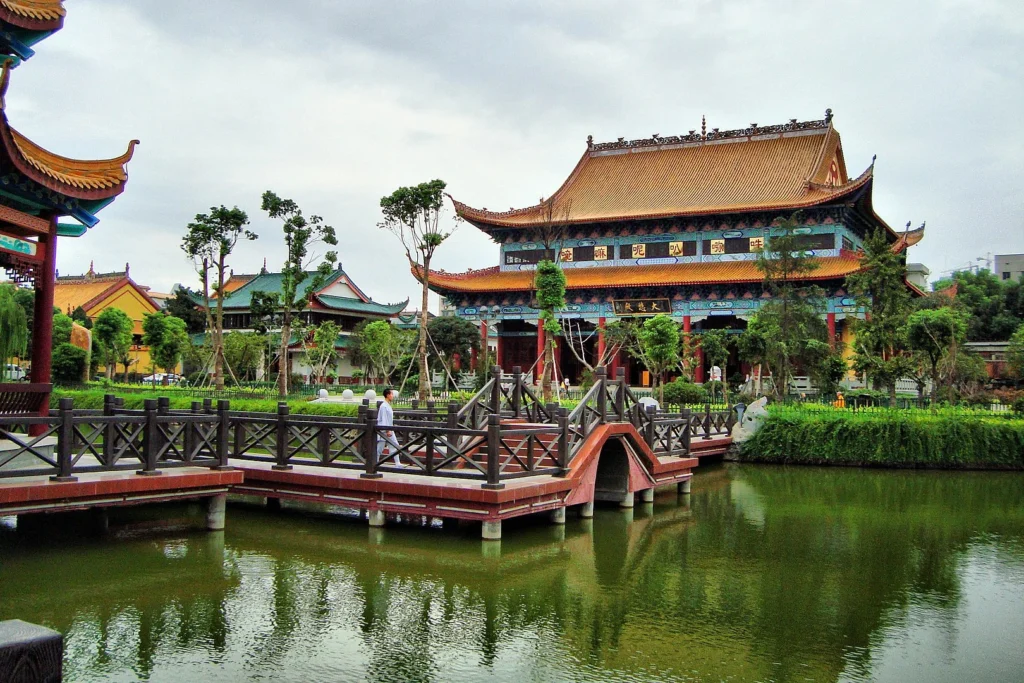 Photo: By Haluk Comertel, CC BY 3.0, https://commons.wikimedia.org/w/index.php?curid=53033903
10 Wealthiest Countries in the World
This list of the top 10 countries by GDP in 2026, as flagged by the Worldometer 2026 report, highlights not only economic size but also the factors driving growth in each nation.
From technology and manufacturing to natural resources and services, each country’s strengths contribute to its position in the rankings.
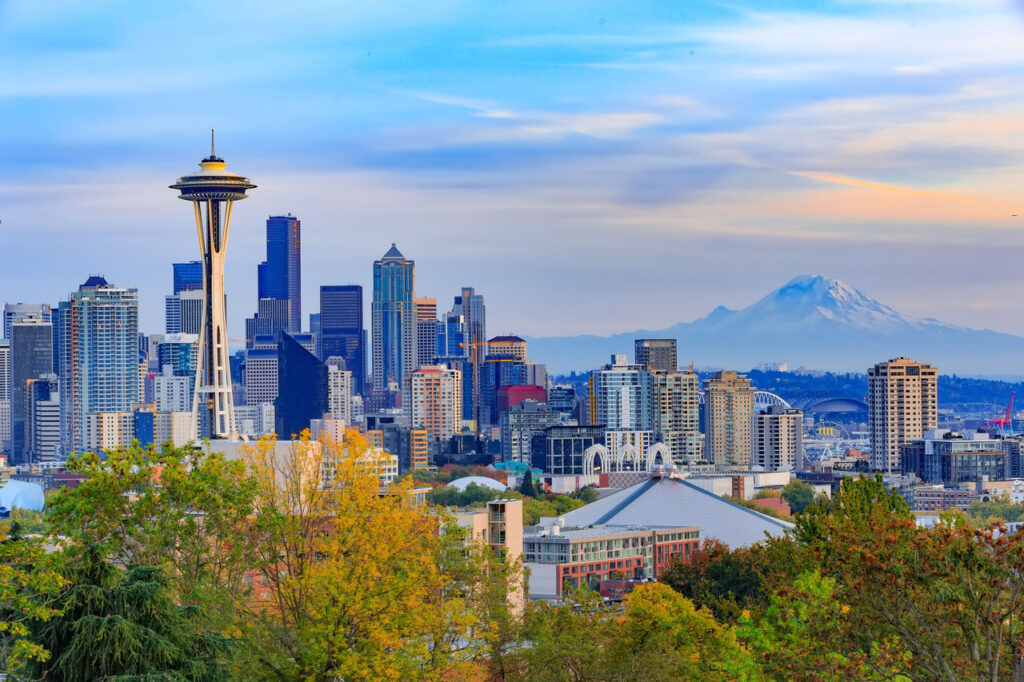 Photo: British Airways
1. United States – $31.82 Trillion
The United States continues to dominate as the world’s largest economy by a wide margin. Its projected GDP of $31.82 trillion reflects a highly diversified economic structure that includes technology, finance, healthcare, and consumer markets.
Innovation remains a key driver of growth in the US economy. Silicon Valley continues to lead in technology, while Wall Street plays a central role in global finance. The country also benefits from strong domestic consumption, which supports consistent economic expansion.
Another major advantage is its ability to attract global talent and investment. This has allowed the US to maintain its leadership position despite increasing competition from other economies.
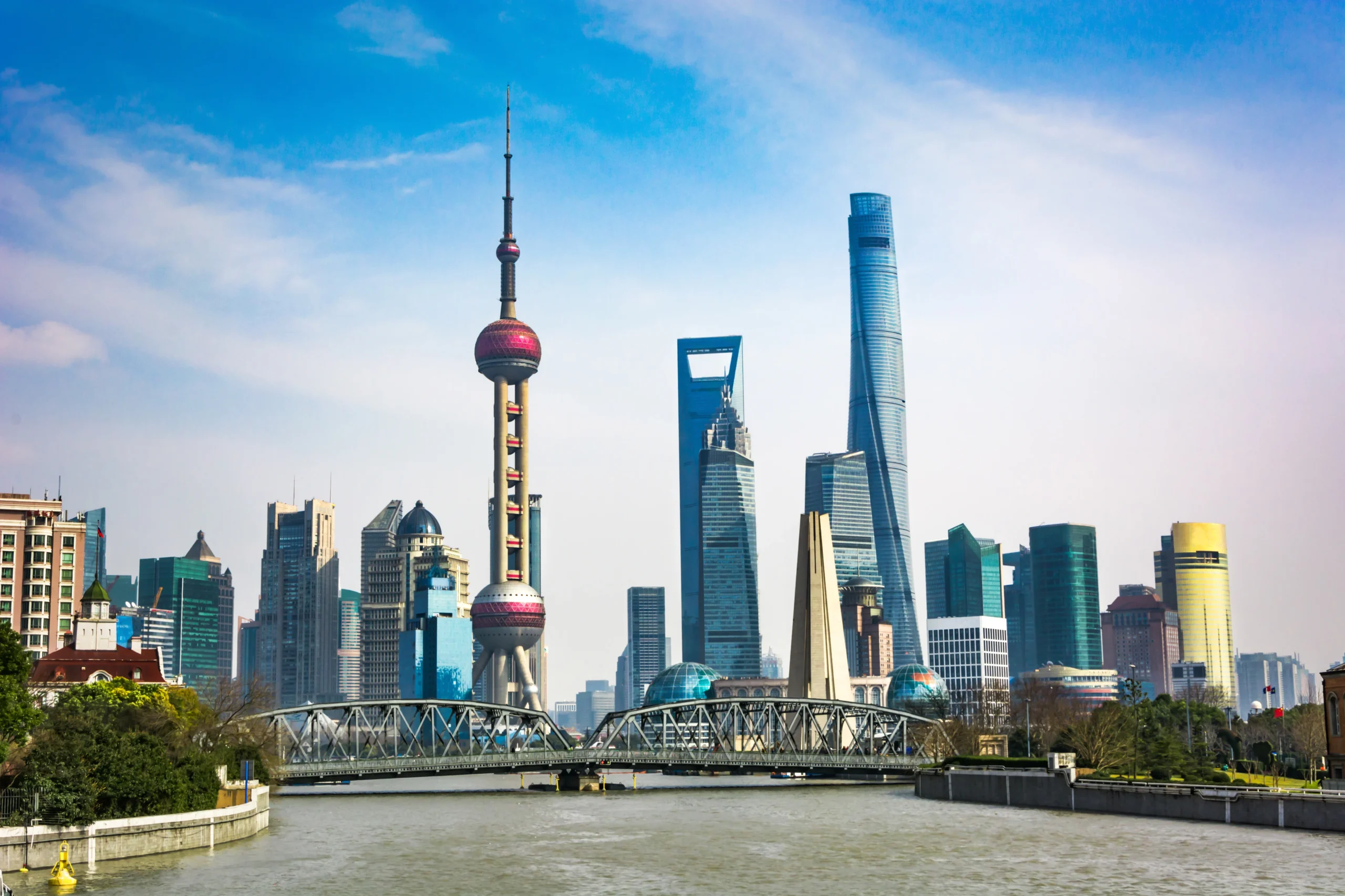 Photo: Freepik
2. China – $20.65 Trillion
China secures the second spot with a projected GDP of $20.65 trillion. Over the past few decades, the country has transformed into a global manufacturing hub and a major player in international trade.
Infrastructure development has been a cornerstone of China’s growth. Massive investments in transport networks, ports, and industrial zones have boosted productivity and connectivity.
The country is also focusing on technology and innovation, moving beyond manufacturing into sectors such as artificial intelligence and renewable energy. Its large population and growing middle class continue to support domestic demand.
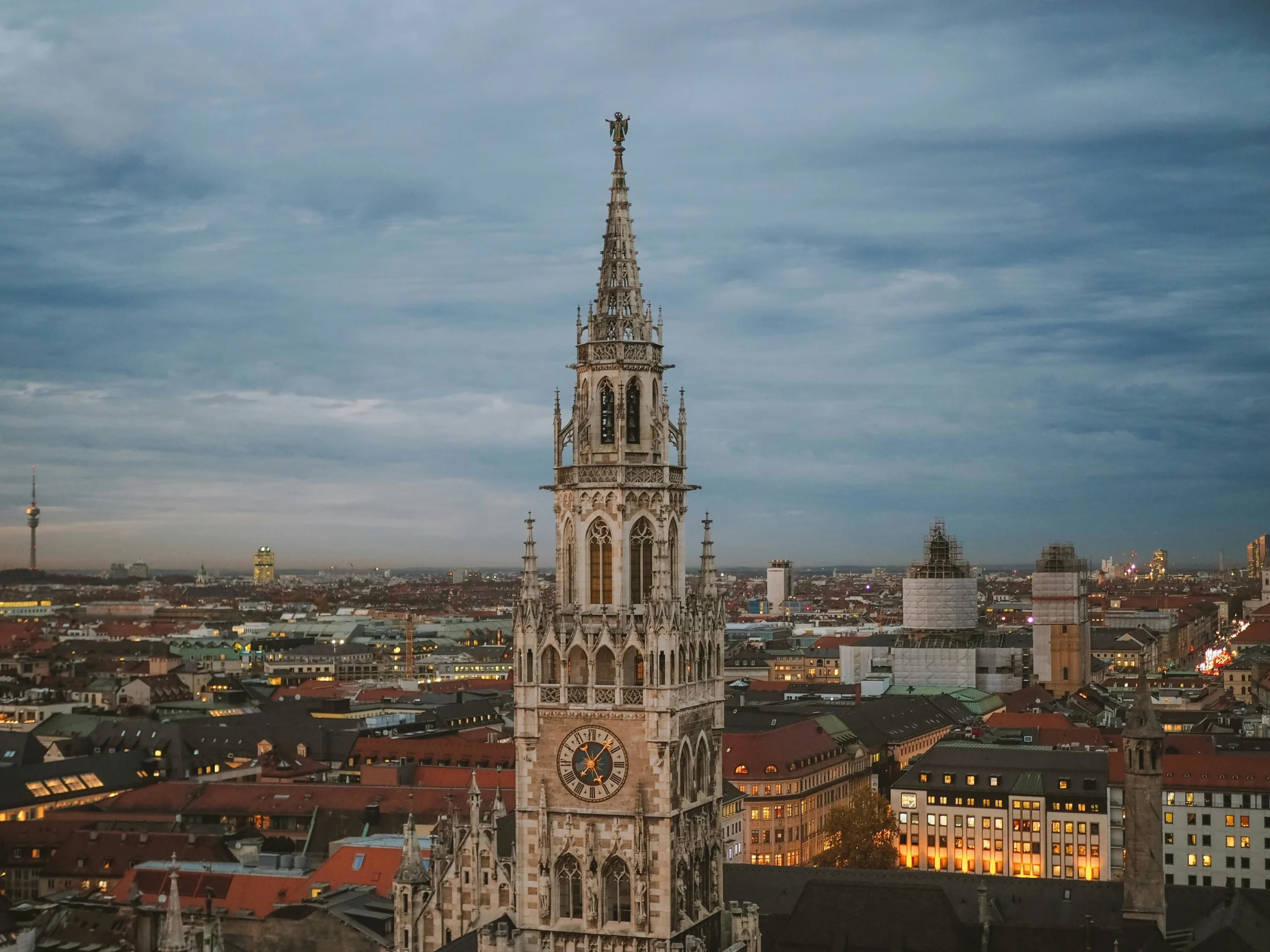 Photo: Anastasia Shuraeva / Pexels
3. Germany – $5.33 Trillion
Germany remains Europe’s largest economy and ranks third globally. Its strength lies in its industrial base, particularly in automotive manufacturing, engineering, and exports.
The country is known for producing high-quality goods that are in demand worldwide. German companies have built a strong reputation for precision and reliability, which supports export growth.
Germany also benefits from a skilled workforce and efficient infrastructure. Its central location in Europe makes it a key hub for trade within the region.
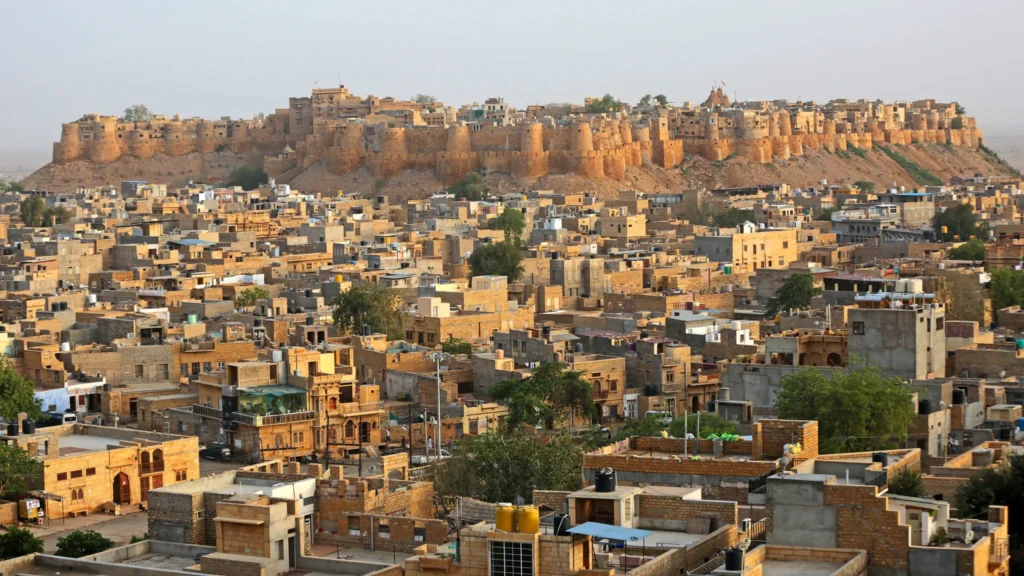 Jaisalmer Golden City | Photo: vil.sandi
4. India – $4.51 Trillion
India emerges as the fourth-largest economy in 2026, marking a significant milestone in its economic journey. With a projected GDP of $4.51 trillion, the country surpasses Japan and strengthens its position on the global stage.
Several factors contribute to India’s rapid growth. A young population, an expanding digital economy, and increasing urbanization are driving consumption and investment.
The government’s focus on infrastructure development and economic reforms has also played a crucial role. Sectors such as information technology, manufacturing, and services continue to expand, attracting both domestic and foreign investment.
India’s rise reflects a broader shift in global economic power toward emerging markets. Its continued growth could reshape international trade and investment patterns in the coming years.
 Hozomon with visitors under their umbrellas, a rainy day in Tokyo, Japan; Photo- Wikipedia
5. Japan – $4.46 Trillion
Japan ranks fifth with a projected GDP of $4.46 trillion. Despite slipping one position, it remains one of the most advanced economies in the world.
The country is a global leader in technology, robotics, and automotive production. Japanese companies are known for innovation and efficiency, which helps maintain competitiveness in international markets.
However, Japan faces challenges related to an aging population and slower domestic growth. These factors have influenced its position in the global rankings.
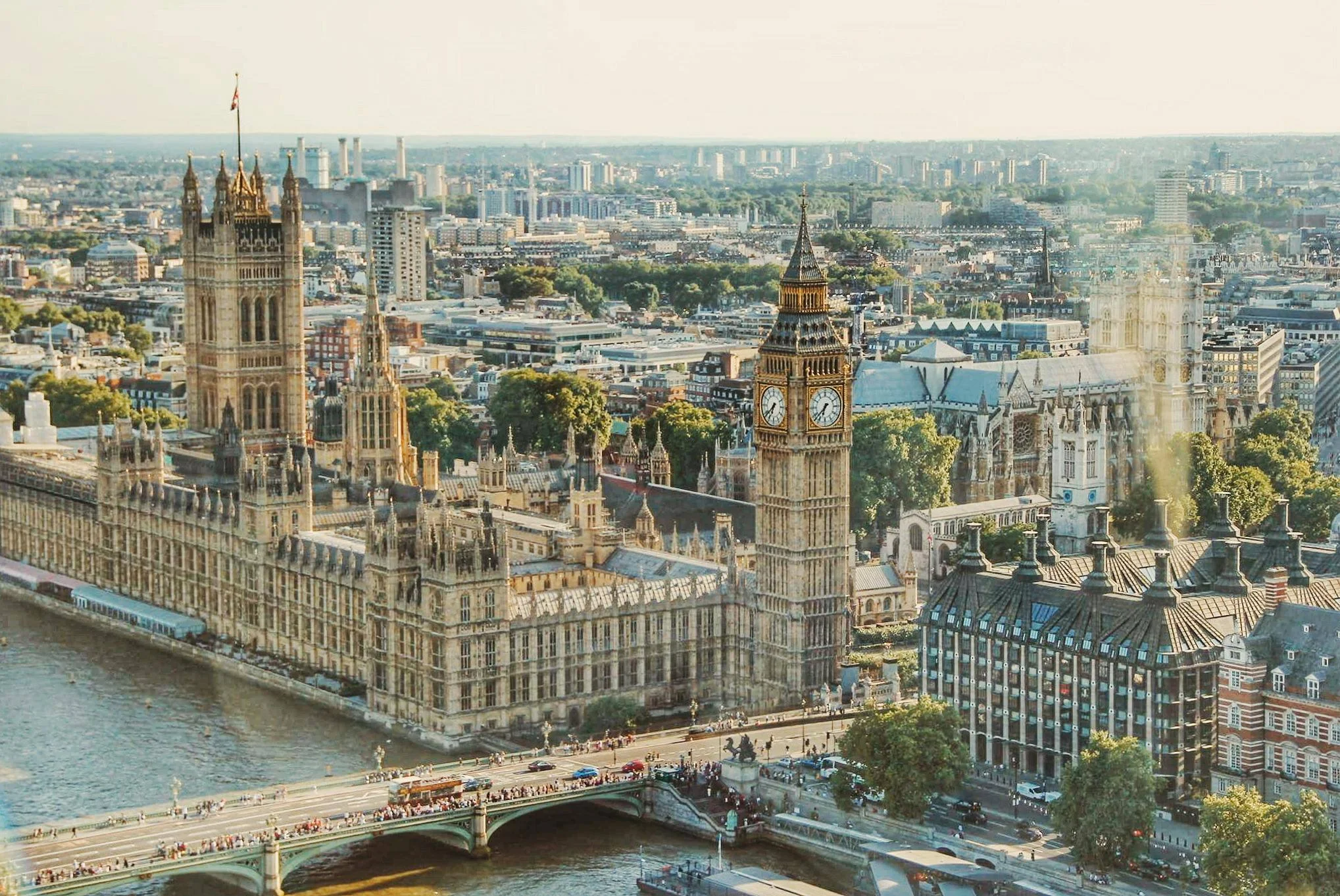 Photo-Needpix-London City
6. United Kingdom – $4.23 Trillion
The United Kingdom holds sixth place with a GDP of $4.23 trillion. Its economy is heavily driven by the services sector, particularly finance, banking, and professional services.
London continues to serve as one of the world’s leading financial centers. The UK also benefits from strong global trade links and a well-developed regulatory framework.
In addition, the country invests in innovation and technology, supporting growth in sectors such as fintech and digital services.
 Grand Palais – Paris, France; Photo- Wikipedia
7. France – $3.56 Trillion
France ranks seventh with a projected GDP of $3.56 trillion. It has a diverse economy that includes manufacturing, agriculture, and tourism.
The country is known for its strong industrial base and global brands. It also invests significantly in infrastructure and public services, which support economic stability.
France’s role within the European Union further strengthens its economic position. Its influence extends across trade, policy, and regional development.
 Photo: Duomo Milan Cathedral with Galleria Vittorio Emanuele II shopping arcade, Milan, Italy / Wikimedia Commons
8. Italy – $2.70 Trillion
Italy holds the eighth position with a GDP of $2.70 trillion. Its economy is supported by manufacturing, fashion, tourism, and small businesses.
Italian industries are known for craftsmanship and quality, particularly in sectors such as luxury goods and automotive design. Tourism also plays a major role, attracting millions of visitors each year.
However, economic growth has been moderate, and structural challenges continue to affect long-term performance.
 NYE Moscow, Russia; Photo- Express to Russia
9. Russia – $2.51 Trillion
Russia ranks ninth with a projected GDP of $2.51 trillion. Its economy is largely driven by natural resources, especially oil and gas exports.
Energy remains a key component of Russia’s economic strategy. The country holds vast reserves, which provide significant revenue and global influence.
At the same time, economic diversification remains a challenge. External factors and market conditions can impact growth and stability.
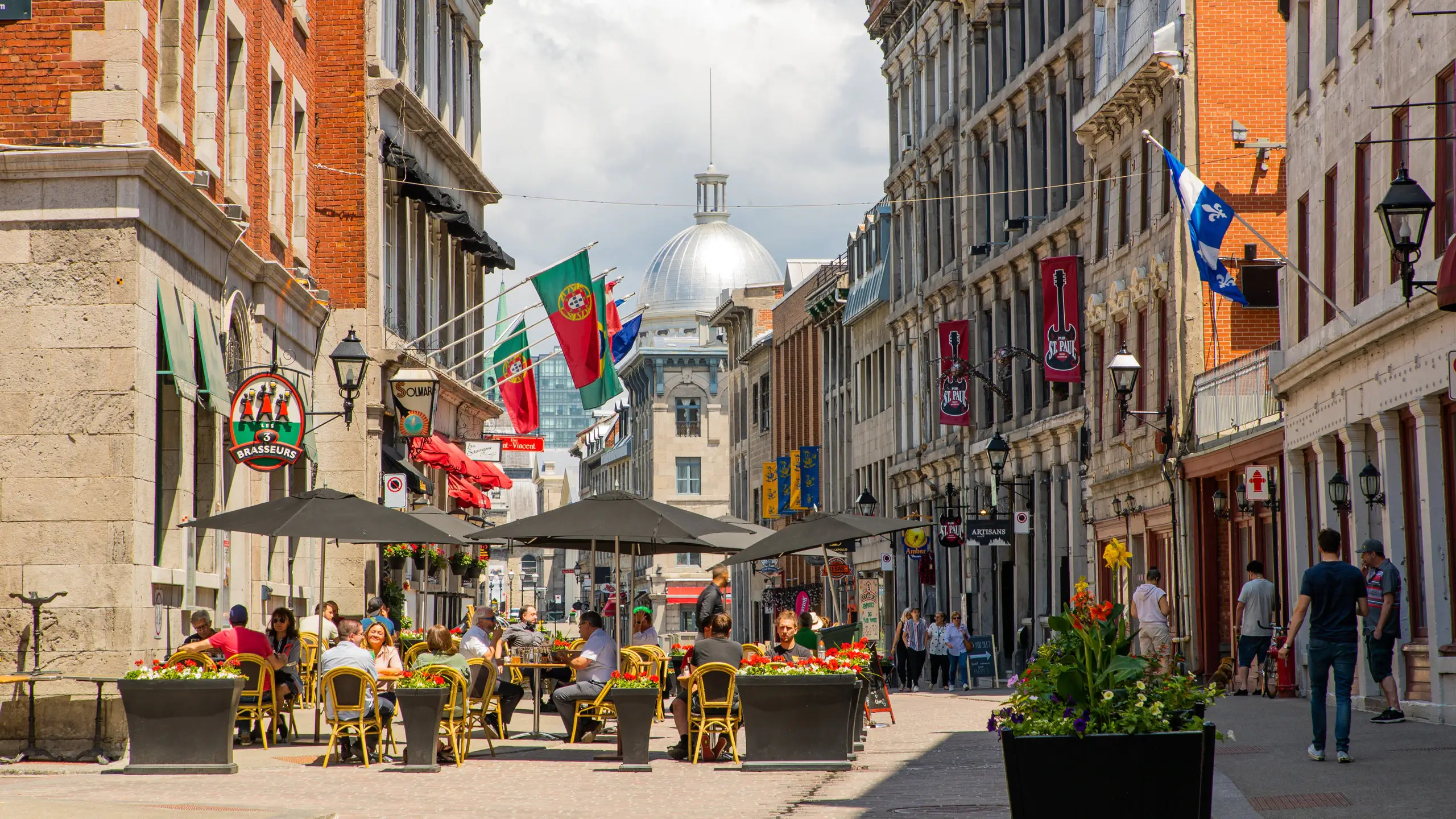 Photo: Moniker Partners
10. Canada – $2.42 Trillion
Canada completes the top 10 with a GDP of $2.42 trillion. It has a stable and well-developed economy supported by natural resources, services, and trade.
The country benefits from strong economic ties with the United States. It also attracts skilled immigrants, which helps support workforce growth and innovation.
Canada’s high quality of life and economic stability make it an attractive destination for investment and business.
Table of Top 10 Wealthiest Countries in 2026
RankCountryProjected GDP (2026)Key Economic DriversStrengthsChallenges1United States$31.82 TrillionTechnology, finance, consumer marketInnovation, global reserve currencyDebt levels, income inequality2China$20.65 TrillionManufacturing, exports, infrastructureStrong production capacity, large marketAging population, trade tensions3Germany$5.33 TrillionServices, IT, and domestic consumptionHigh-quality exports, skilled workforceEnergy dependence, slow growth4India$4.51 TrillionServices, IT, domestic consumptionYoung population, rapid growthInfrastructure gaps, income disparity5Japan$4.46 TrillionTechnology, automotive, roboticsAdvanced tech, strong global brandsAging population, low growth6United Kingdom$4.23 TrillionFinancial services, tradeGlobal financial hub, strong institutionsEconomic uncertainty, inflation pressures7France$3.56 TrillionManufacturing, exports, and engineeringDiverse economy, strong public servicesHigh public spending, labor challenges8Italy$2.70 TrillionManufacturing, tourism, SMEsLuxury goods, cultural industriesDebt levels, slow reforms9Russia$2.51 TrillionOil, gas, natural resourcesEnergy exports, resource wealthSanctions, economic diversification10Canada$2.42 TrillionNatural resources, trade, servicesStable economy, skilled workforceResource dependence, housing affordability
 Photo: By Closenoble – Own work, CC BY-SA 3.0, https://commons.wikimedia.org/w/index.php?curid=12115068
Bottom Line
The global GDP rankings for 2026 highlight both continuity and change in the world economy. The United States and China remain dominant, but emerging economies like India are reshaping the landscape.
Each country in the top 10 brings unique strengths, whether in technology, manufacturing, or natural resources. These factors determine their ability to compete and grow in a rapidly changing global environment.
As economies evolve, the balance of power may continue to shift. The rise of new economic leaders will influence trade, investment, and global policy in the years ahead.
Stay tuned with us. Further, follow us on social media for the latest updates.
Join us on Telegram Group for the Latest Aviation Updates. Subsequently, follow us on Google News