
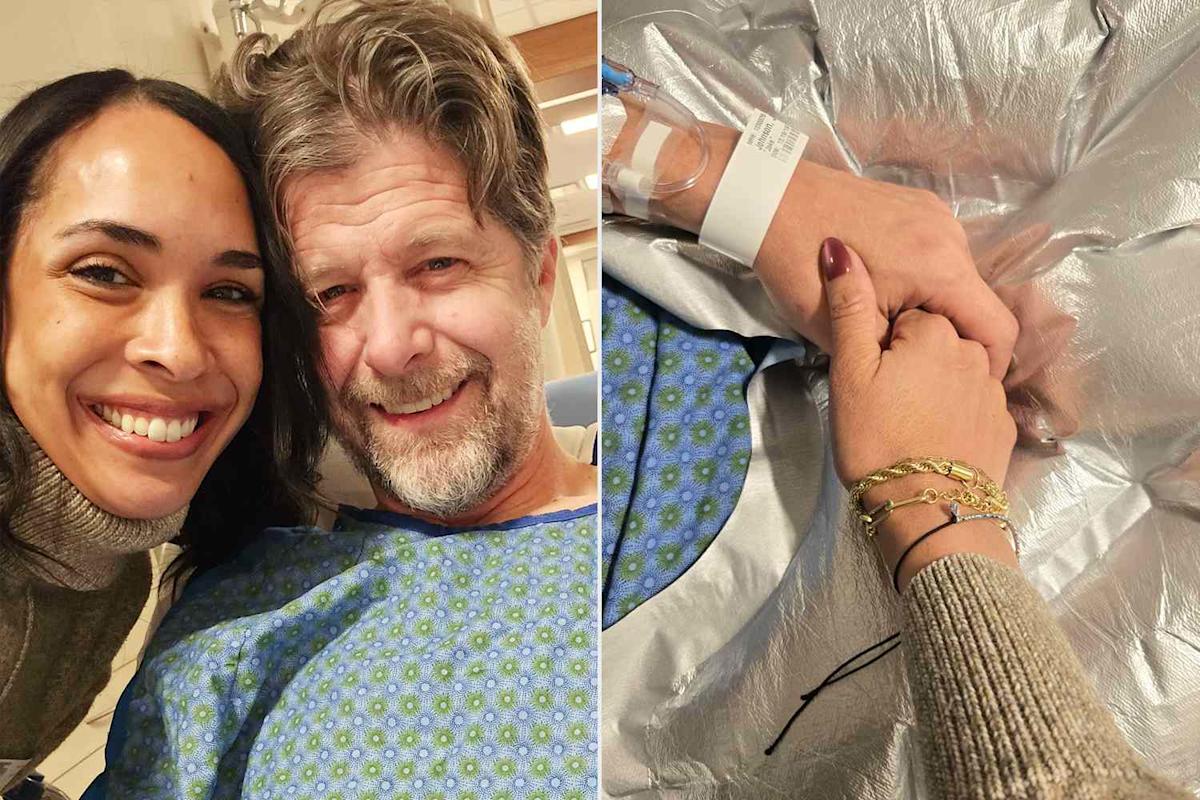
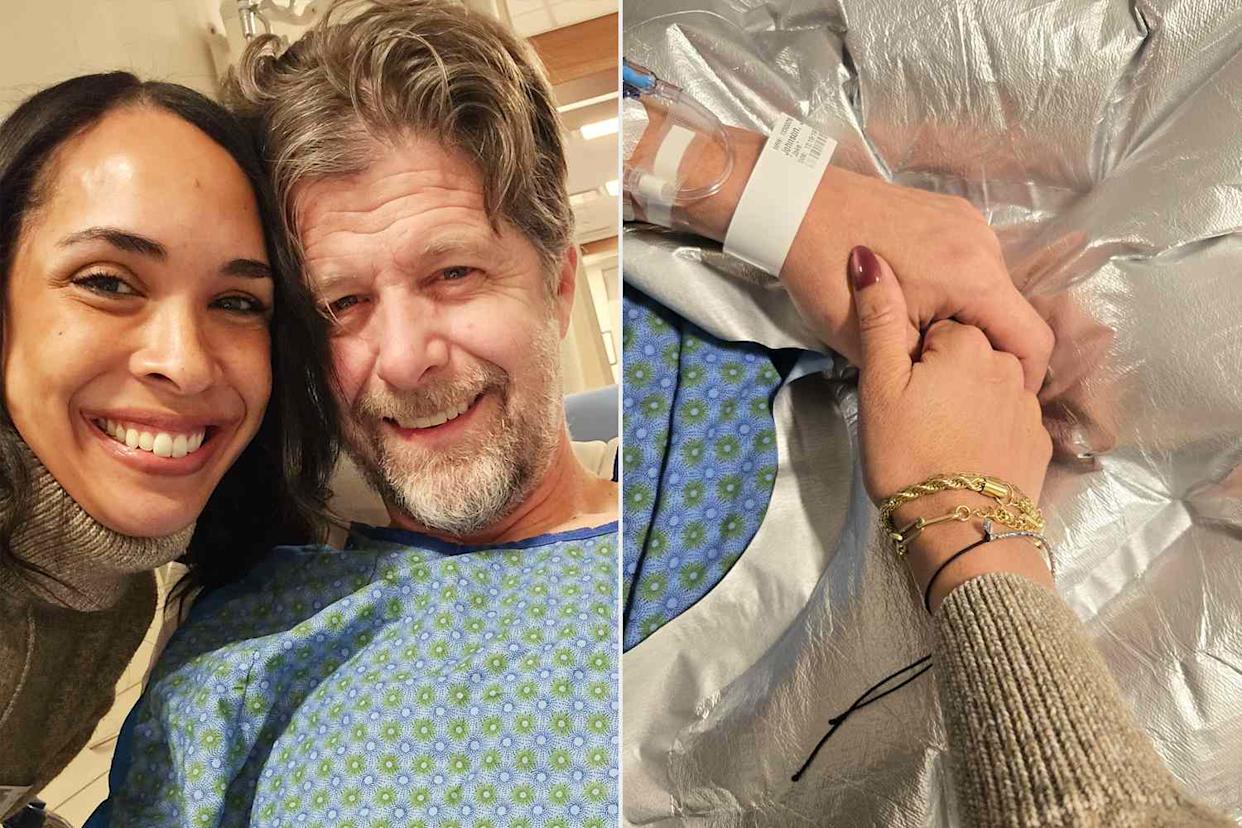
Kimberly & Jacob Johnson.
Credit: Kimberly Jacob Johnson
NEED TO KNOW
In 2013, following a strong family history of breast cancer, Jacob Johnson learned he was BRCA2 positive
Over a decade later, at the age of 53, the father of three living in Fort Collins, Colo., was diagnosed with a rare and aggressive form of cancer located in his right breast
Johnson spoke to PEOPLE about the importance of early genetic testing and regular screenings in men, as well as women
Jacob Johnson learned that he was a carrier for the BRCA2 gene in 2013 after testing was recommended due to a strong history of breast cancer among relatives — including his mother, several aunts, a cousin and an older uncle.
For 12 years, the father of three believed he was doing everything possible to stay ahead of the disease by never missing an annual mammogram. However, in December 2025, on his 53rd birthday, Johnson was diagnosed with invasive micropapillary carcinoma (IMPC), a rare, aggressive subtype of cancer, in the right breast.
“I was very shocked. I went into the mammogram, almost blowing it off because breast cancer was the furthest thing from my mind,” Johnson tells PEOPLE exclusively. “Even after they found the mass and recommended a biopsy, I still assumed that it would be benign.”
According to the National Cancer Institute, “BRCA1 (BReast CAncer gene 1) and BRCA2 (BReast CAncer gene 2) are genes that produce proteins that help repair damaged DNA.” However, a BRCA2 carrier has an inherited mutation in the BRCA2 gene, which significantly increases the lifetime risk of certain cancers as the body is unable to mend DNA damage.

Kimberly and Jacob Johnson.
Credit: Kimberly & Jacob Johnson
Following his diagnosis, Johnson underwent a double mastectomy in January 2026 and is currently making it through his first round of chemotherapy.
“Treatments are going well, but it has still been so difficult to comprehend the extensive level of treatments that I needed,” he admits. “The most difficult part has been knowing that this medicine, while curing me, is also causing issues in other parts of my body.”
By being on Cytoxan and doxorubicin — also known as the “red devil” drug — he is afraid of the possible loss of bone tissue and other downsides of chemotherapy.
“The hardest part for him has been the physical changes to his body,” Johnson’s wife, Kimberly, tells PEOPLE. “He was very active before cancer and not being able to pick up our kids, or have the energy to play, has been very difficult.”
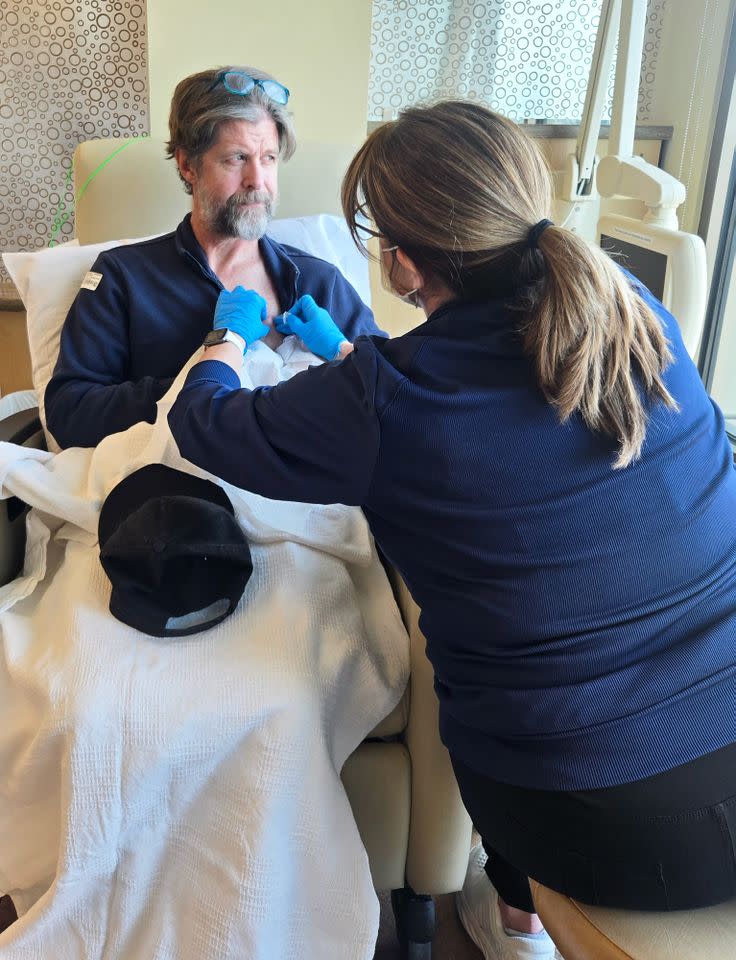
Jacob Johnson.
Credit: Kimberly & Jacob Johnson
According to the National Breast Cancer Foundation, male breast cancer is rare and accounts for less than 1% of all breast cancer diagnoses in the United States. A stark difference between women, where 1 in 8 will be diagnosed with breast cancer in their lifetime.
As a result of that statistic, Johnson says he believes most men will not “seek out treatment because they have an out of sight out of mind mentality.” Instead, he urges them to take note of any physical changes and prioritize preventative care — especially if there is a long history of the disease in the family.
“Taking control of your health is the difference between something that is curable and something that would be terminal,” he emphasizes.
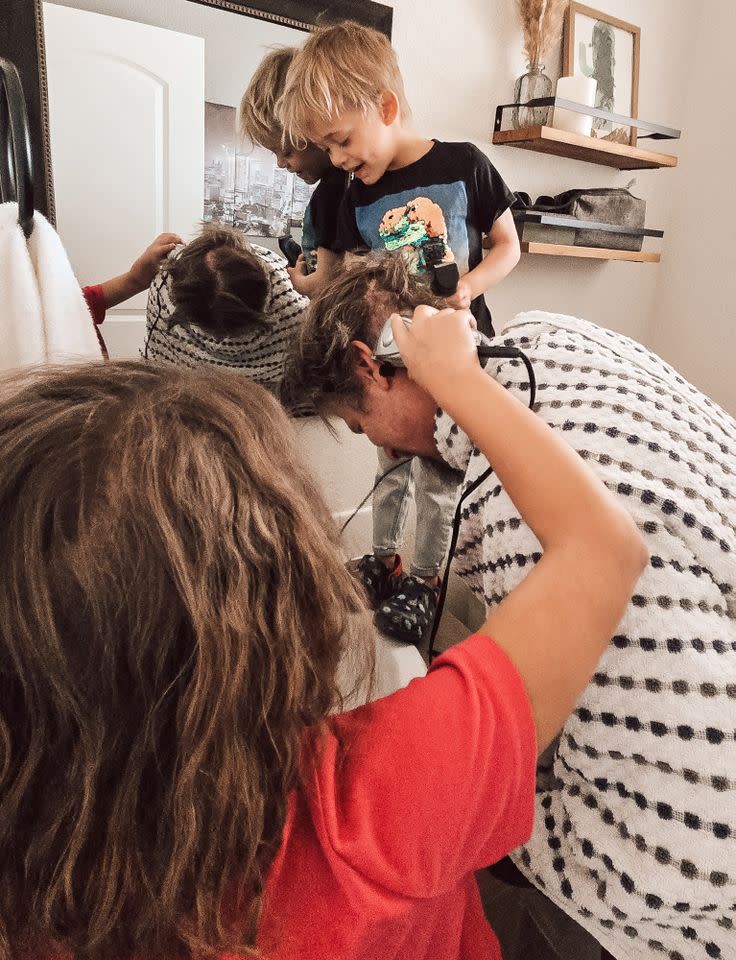
Jacob Johnson and his children.
Credit: Kimberly & Jacob Johnson
In an effort to bring more attention to male breast cancer and the importance of early detection, Johnson’s wife is sharing his story on TikTok in the hope that it reaches the right person at the right time.
“Most people never knew that men could get breast cancer, and I am hoping to change that perception,” Kimberly says. “It is rare, but it is not something that can’t happen, and unfortunately, many men find out once the disease has progressed substantially.”
Seeing her husband’s family face multiple forms of cancer has made her especially cautious about her own health, prompting her to schedule a mammogram as soon as she turned 40.
The couple has also decided to have their two youngest children tested for breast cancer once they turn 18. Thankfully, Johnson’s eldest daughter, now 23, has already been tested and was negative.

Kimberly and Jacob Johnson and their children.
Credit: Kimberly & Jacob Johnson
Never miss a story — sign up for PEOPLE’s free daily newsletter to stay up-to-date on the best of what PEOPLE has to offer, from celebrity news to compelling human interest stories.
When it comes to advice, Johnson emphasizes the importance of asking questions of your family and doctors.
“My mom did a lot of work on our family history to identify the patterns and wasn’t afraid to push for testing when it wasn’t as common. Her determination inspired me to get the testing completed, and it has literally saved my life,” he tells PEOPLE. “My doctor told me that if we had waited a few months until the lump was palpable, it would not have been curable.”
Read the original article on People