
Multnomah County officials say 1,200 people in permanent supportive housing could lose it as the Trump administration shifts funding to temporary programs.
PORTLAND, Ore. — Portland-area leaders met with a top Trump administration advisor on homelessness this week, and a proposed shift in federal funding has some in Multnomah County bracing for a major change — one that could impact hundreds of people in permanent supportive housing.
The meeting happened Tuesday in downtown Portland. It was behind closed doors — closed both to the public and to the press. County leaders who were present tell KGW that the federal government could soon pull funding away from permanent supportive housing programs, which would put more than a thousand people at risk of losing their homes.
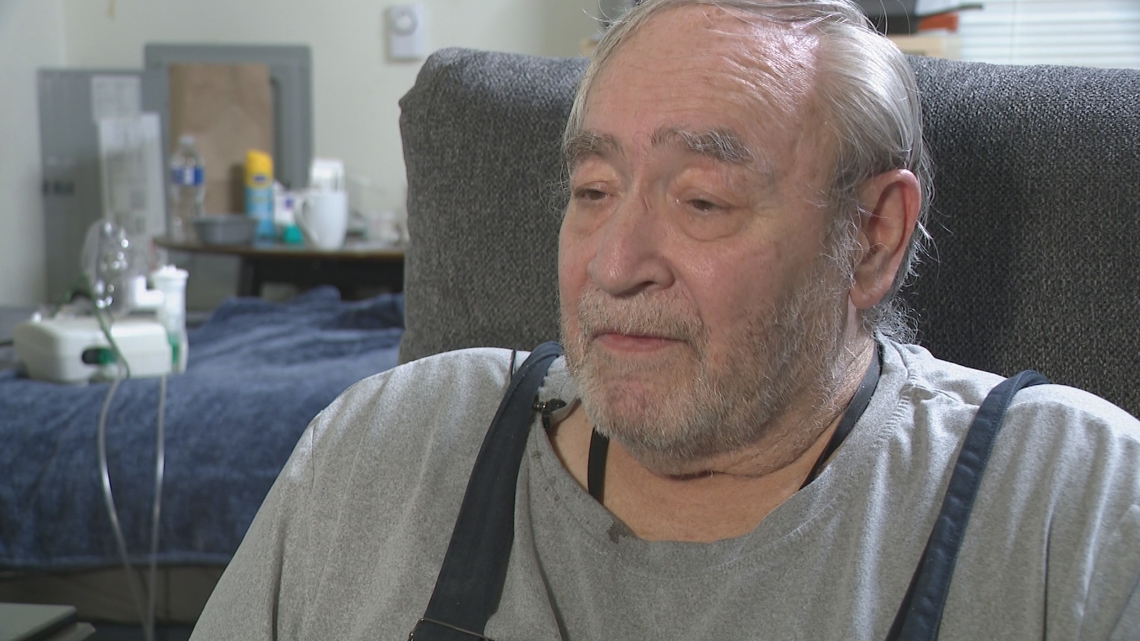
Among them is Bob Myers. Two years ago, Myers stepped into his own apartment; he remembers the day well.
“I was just so happy,” he recalled. “I got on that bed and just laid there.”
Myers had spent years on the streets of Portland, battling addiction. That made getting off the streets incredibly hard to do.
“Oh ho ho, yeah,” he said, “I’d been trying for a long time to get a place, and everything I did … just kept falling through, nothing. I didn’t think I was going to get one.”
Finally, at 70 years old, Myers was connected with his own apartment.
“Oh gosh,” he said, exhaling as he tried to keep tears at bay, remembering what it felt like. “I’m a human again.”


“We know human beings need a place to live,” said Iris Sexton, chief housing officer for New Narrative. “The folks that we primarily serve have severe and persistent mental health challenges.”
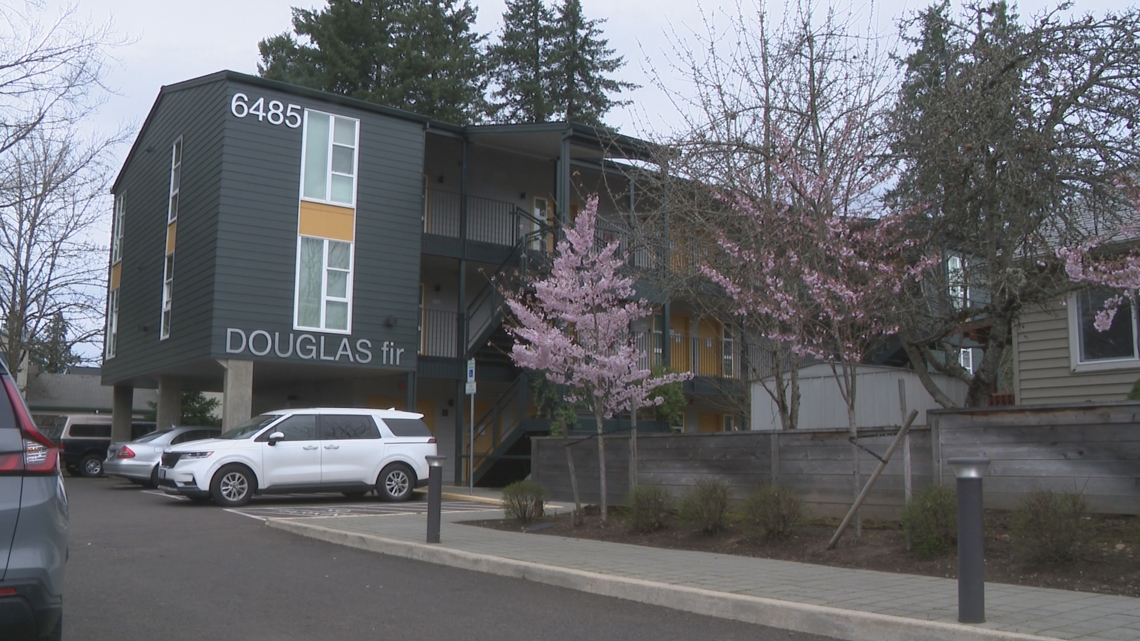
New Narrative is the behavioral health group that runs Myers’ Southeast Portland apartment complex. Supported by federal dollars, Multnomah County helps to pay for this kind of permanent supportive housing program.
“It is critical,” said Sexton. “Without those funding opportunities, we would not be able to provide any services.”
RELATED: Multnomah County could cut 9 homeless shelters under proposal to close budget gap
On Tuesday, Dr. Robert Marbut — a top Trump administration advisor on homelessness and critic of prevailing “Housing First” methods — met with local leaders, pushing a plan to move federal funding from permanent housing into temporary transitional housing programs instead.
“The difference is that there is a timestamp on that, right?” said Jillian Schoene, director of the Multnomah County Homelessness Response System. “Transitional housing only lasts for two years and then the person has to move out. … So, the implications of this shift are huge.”
Schoene said 1,200 people are currently being funded in permanent supportive housing through the $40 million Multnomah County receives from the federal government.

At the same time, the Trump administration wants to broadly require substance use treatment — something which dates back to an executive order the president issued in July last year, one which was panned by Democrats and many who work with the homeless.
“They want to return to very strict treatment requirements without the responsibility of keeping people housed on the back end,” said Schoene. “It’s cheaper, let’s be honest … the Trump administration just, as best we can tell, is largely turning its back on something that people need.”
“Look how it’s helped me,” said Myers, “and if I hadn’t had this place, I know I wouldn’t be alive today.”
Marbut, opponents say, favors austere housing and support programs which require participants to “earn” their place in shelters and temporary housing — and their meals. For those who refuse to participate, Marbut endorses giving law enforcement a freer hand to arrest people for minor infractions; Trump’s executive order also strongly advocates the use of involuntary commitment for those with behavioral health issues.
In Oregon, state law restricts how zealously municipalities can enforce prohibited camping bans, and the state’s secure psychiatric facility continues to struggle with a lack of capacity for existing “aid and assist” criminal commitments, let alone civil commitment cases.
KGW reached out to the Trump administration to inquire about Tuesday’s meeting and has not heard back.
When the federal government initially released its new plan for the funding, 20 states sued, alleging that the plan violates federal law. That put the change on pause, but Trump administration officials are expected to release a new plan in June, leaving Multnomah County officials bracing for what it could mean, and with Tuesday’s meeting serving as a sneak peek.