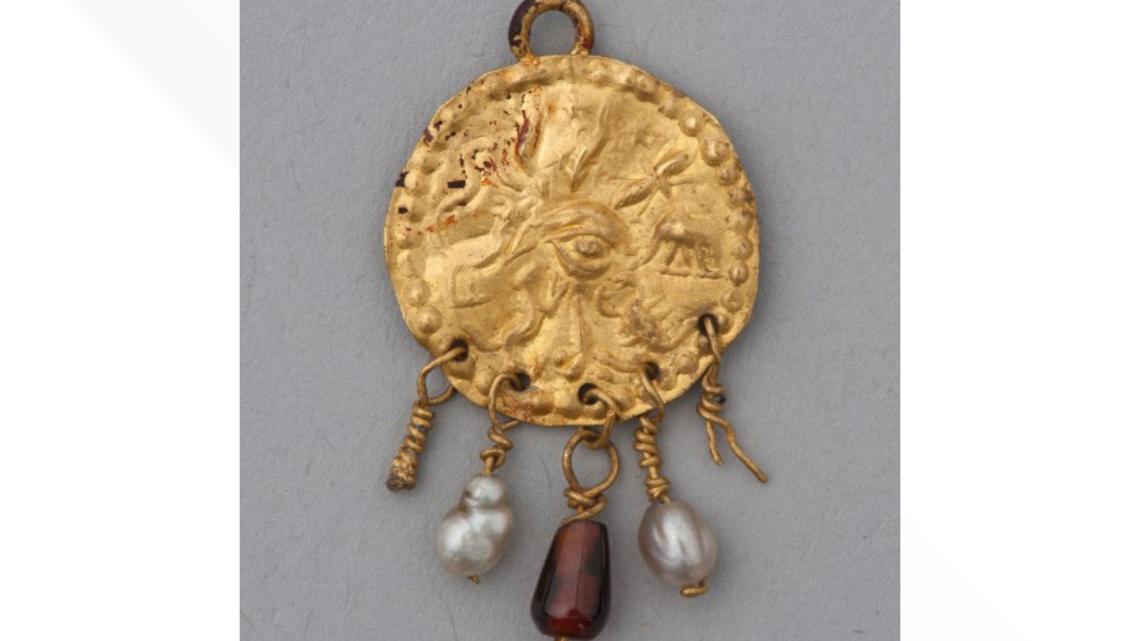
Spanning 2,000 years of history, the ‘Cursed!’ collection ranges from protective ivory wands used to guard newborns to amulets made of precious materials.
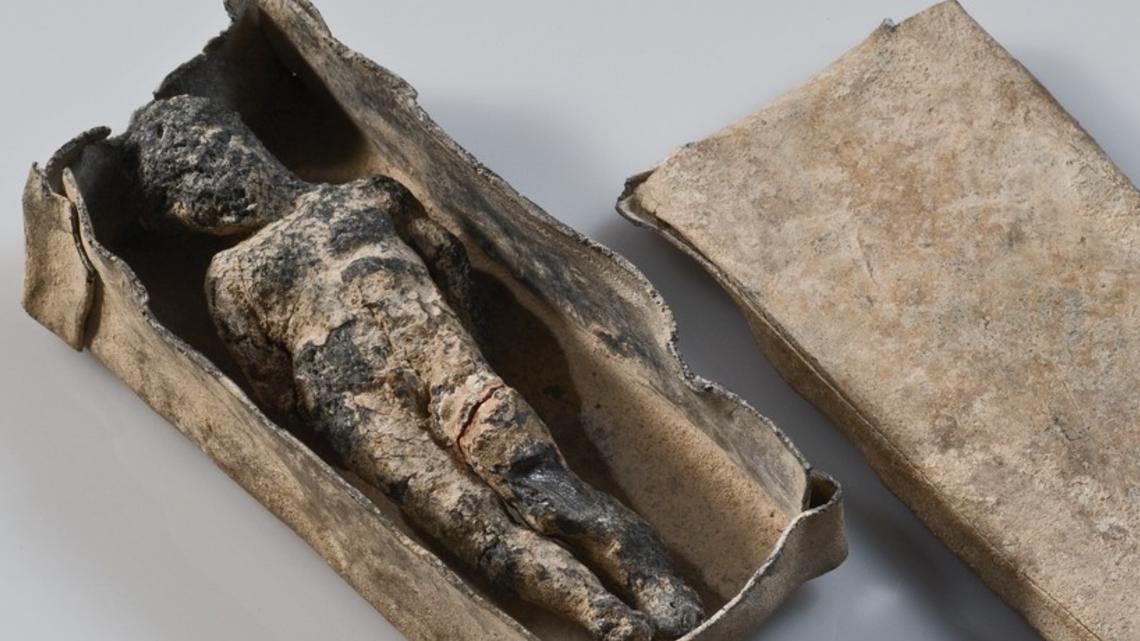
TOLEDO, Ohio — Inside a small lead coffin sits a tiny, twisted, silent messenger of a 2,000-year-old grudge.
It is one of approximately 75 artifacts now haunting the Toledo Museum of Art in its newest exhibition, Cursed! The Power of Magic in the Ancient World.
The show, which opens to the public on Saturday, marks what museum officials call a “once-in-a-lifetime” opportunity to see rare treasures that rarely leave the collections of the world’s most prestigious institutions.

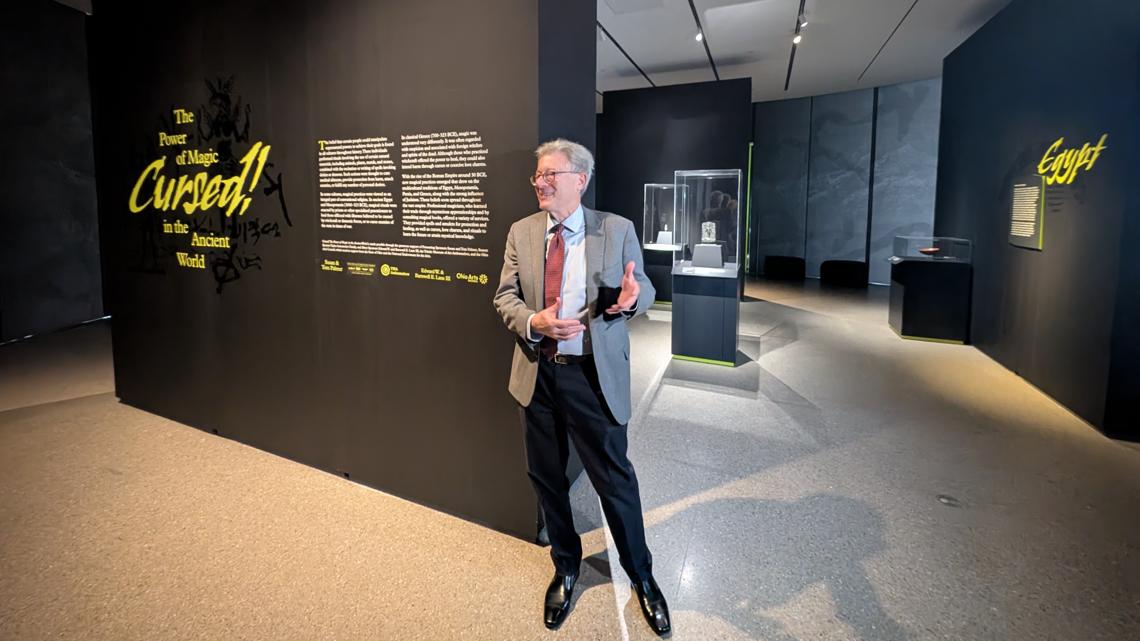
“We have incredible loans from all over the world,” said Adam Levine, TMA’s director, president, and CEO. “This exhibition shows the long history of discourse around and engagement with superstitions, spells, and all the things that people still associate with magic today.”
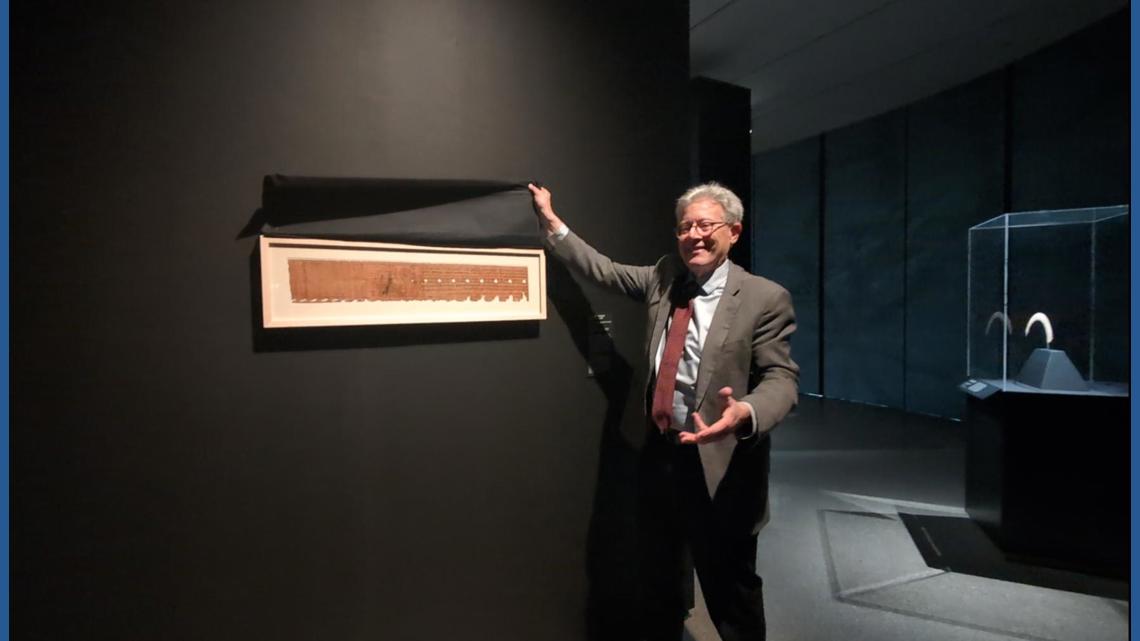
The exhibition was guest-curated by Dr. Jeffrey Spier, former Senior Curator of Antiquities at the Getty Museum.
It features loans from international institutions alongside works from the TMA’s own collection.

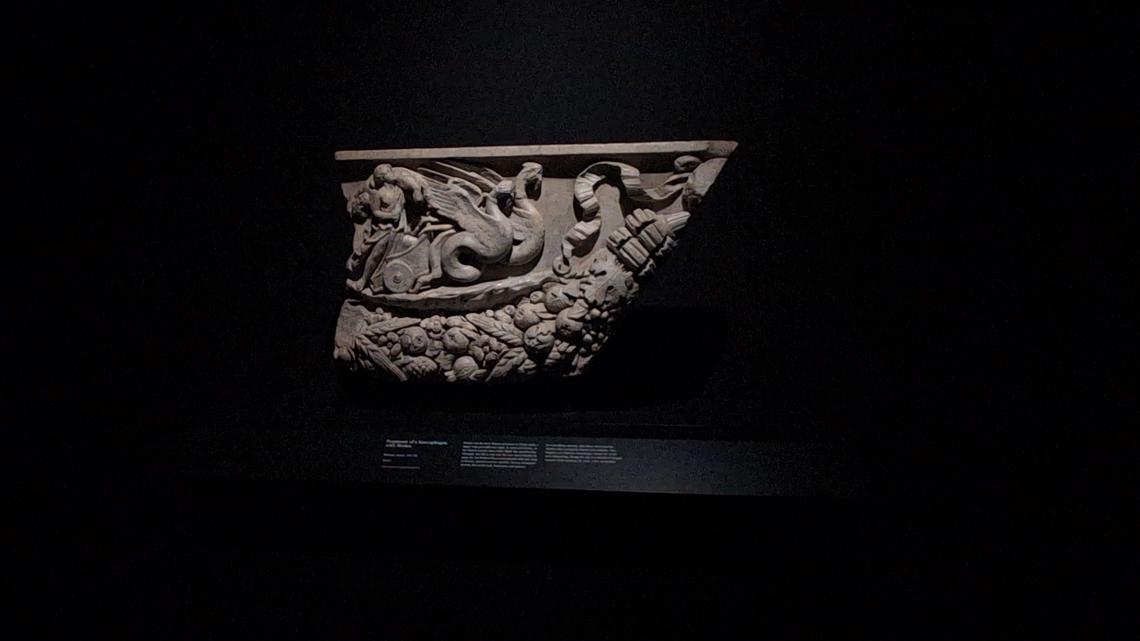
Spanning 2,000 years of history, the collection ranges from protective ivory wands used to guard newborns to papyrus spellbooks and amulets made of precious materials.
The items demonstrate how people in the ancient Mediterranean used rituals to manage anxiety, gain power, and avoid danger.

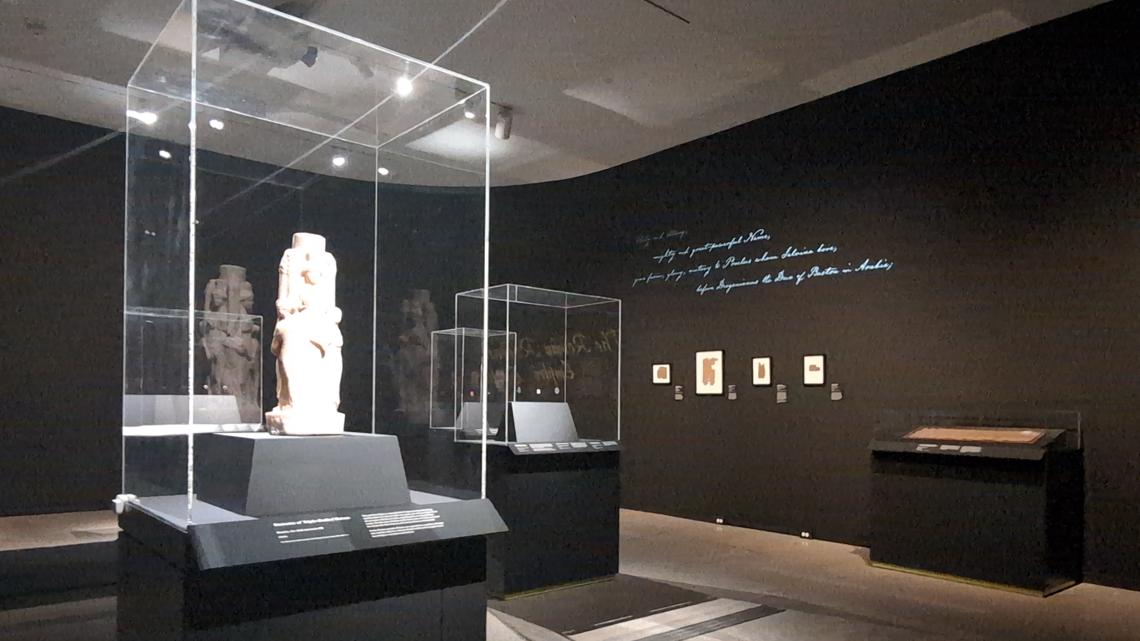
Levine noted that the museum chose to bring Cursed! to Toledo following the success of a previous exhibition, Supernatural America.
“We knew our audience would love this,” Levine said. “This takes some of these ideas and pushes it back even more deeply into history.”

While the “cursed” figures may draw the most curiosity, the exhibit also highlights the cultural divide of the era.
Roman and Greek authorities often treated magic as a threat, but Egyptian and Mesopotamian societies embraced it.
In those regions, magic wasn’t a secret act of rebellion but was instead carried out by priests for healthcare and protection.
“There’s a very literal passing down of these traditions by witnesses, ” said Spier while taking WTOL 11 and other media on a tour Friday. “The recurring theme throughout the exhibition is the belief that the spirits of the dead would affect people living.”
“If you needed help, you had to go somewhere. And it seemed to be widely available,” he said.
When asked which ancient item he might personally want to use, Levine pointed to the practical side of ancient mysticism. Due to the busy schedule of a museum director, he said he would choose an object intended to keep you healthy.
“I would probably activate one of the objects that has an inscription that would cure you from maladies,” he said.

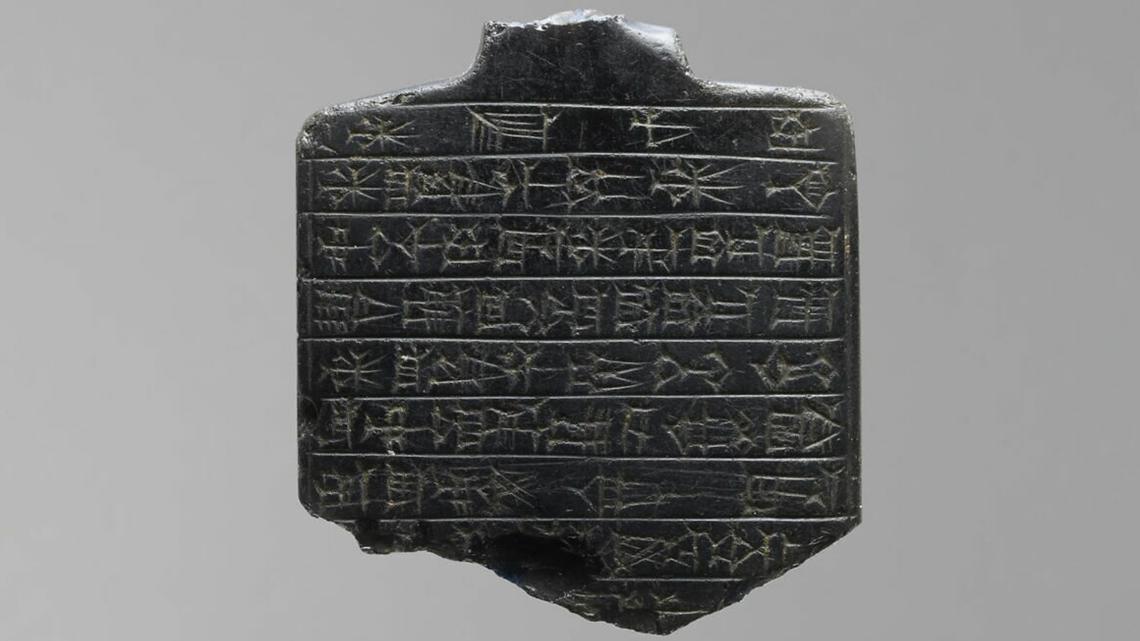
The exhibition isn’t just a look at the past, but also acts as a mirror to the present.
Whether through a lead curse or a protective amulet, the artifacts serve as a reminder that while the tools of magic have changed over 2,000 years, humans and their search for a little extra help have not.
The exhibit runs through July 5 at the Toledo Museum of Art’s Glass Pavilion. Tickets are $10 for non-members.