
DES MOINES, Iowa (IOWA CAPITAL DISPATCH) – The Iowa House approved a bill Monday allowing medical practitioners and health care organizations to refuse to participate in or pay for a health care service that goes against their conscience or religious beliefs.
House File 571, which passed in a 63-27 vote, had passed the House already in 2025 — “actually, 362 days ago,” Rep. Bill Gustoff, R-Des Moines, noted.
As passed, the bill would allow medical professionals and providers like hospitals and clinics the right to refuse services that go against their conscience, with exceptions made for emergency medical services. These entities could not be held civilly, criminally or administratively liable for not providing or paying for a service, if the denial is based on the practitioner or organization’s “ethical, moral or religious beliefs or principles.”
Gustoff said the measure is a way to help address Iowa’s health care workforce shortage.
“Nine out of ten doctors, nurses, and other medical professors who identify as religious or faith-based say they would rather stop practicing medicine than to violate their ethical, moral, or religious beliefs,” Gustoff said. “We’ve done some great things in this chamber on a bipartisan basis to help address the difficulties of recruiting and retaining medical professionals in our great state. At a time when we face such challenges, this is one more step we can take to ensure people can still receive the care they need, while not driving them from the medical fields for fear of (or) actual persecution just for exercising the reasonable right of conscience.”
The measure returned to the House Monday with a Senate amendment that removed language dealing with health care payors — health insurance providers — from the bill. House lawmakers also approved a change to require a medical practitioner to inform their employer “of the nature of the practitioner’s objection based on conscience” when they decide not to provide a health care service.
During 2025 discussions on the bill, some advocates spoke against the inclusion of insurers in the bill. Keenan Crow with One Iowa said at a subcommittee meeting, “it strains credulity to think that insurance companies aren’t going to suddenly acquire new moral beliefs about expensive things that they would rather not pay for should this pass.” While this component of the bill was removed, other speakers had objected to the bill as it relates to providers, saying patients’ access to care could be restricted, which could impact their health and wellbeing.
Rep. Austin Baeth, D-Des Moines, an internal medicine physician, said he was “thankful” for the Senate amendment removing health care payors from the bill, but still saw problems with the bill. He said there is not language under the bill requiring a doctor who refuses to provide a health care service inform a patient of the situation or refer them to another provider who is willing to perform the service.
Baeth said health care providers’ rights to practice medicine in alignment with their religious beliefs are already protected under the federal 1973 Church Amendments, which deals with discrimination for being willing or unwilling to perform abortion procedures.
“Not only is this unnecessary, because doctors are already protected, but it’s harmful,” Baeth said. “This bill legalizes discrimination in the medical field. Every single doctor, when they get their white coat, there’s a ceremony, and they give this pledge, the Hippocratic oath, to take care of every single person in front of them. Every single person in front of them. And if they are unable to, they find somebody who can. There is nothing in this bill that requires them to find somebody who can.”
He also said there is nothing in the bill “that puts guardrails on what is ‘conscience,’” saying the measure could allow medical providers to discriminate against patients on the basis of race or being a Medicaid recipient.
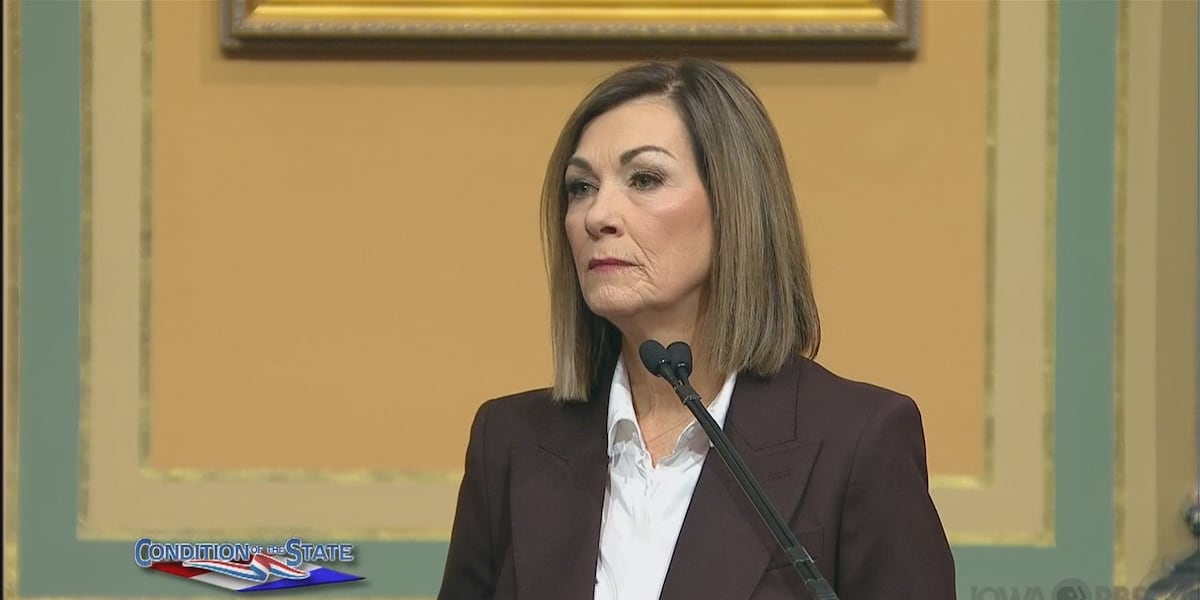
With approval from both chambers, the measure goes to Gov. Kim Reynolds desk.
Copyright 2026 IOWA CAPITAL DISPATCH. All rights reserved.