
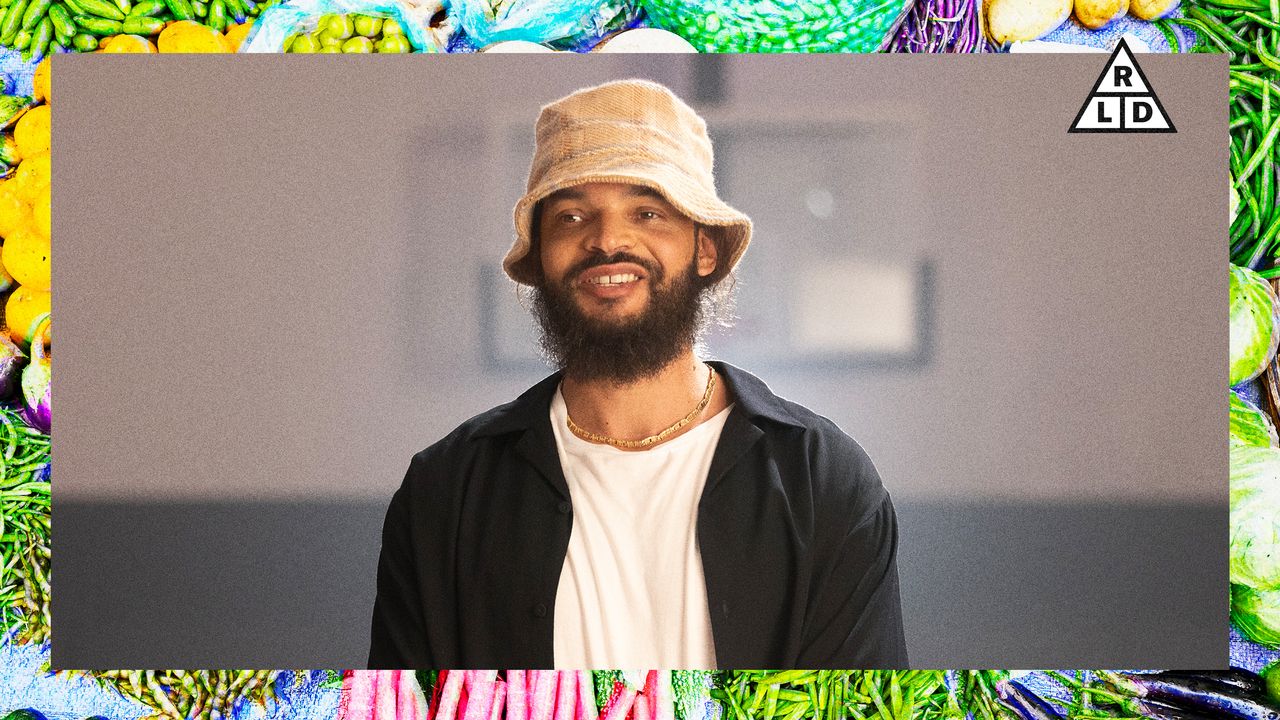
There are few players in recent NBA history with a more distinct spirit than Joakim Noah. With his long, often unkempt hair and beard combo, side-spin jump shot, and appreciation for knit bucket hats, the two-time All-Star left his mark on the league in more ways than one. But after officially retiring in 2021 after a hard-fought 13-year career, Noah has realized that there is much more to life than, say, trying to beat the Boston Celtics.
During his pro basketball career—nine years as a fixture of the Chicago Bulls, two with his hometown New York Knicks, and brief cups of coffee with the Memphis Grizzlies and Los Angeles Clippers—the six-foot-eleven center was known for his nonstop intensity. When that went away, as he explained, the competitive drive that once defined him took on new forms. As he felt his mental approach to life changing, Noah found BetterHelp, the online therapy provider. A legend of the college basketball scene as well (Noah and his Florida Gators squad won twin national championships in 2006 and 2007), he joined BetterHelp for their Mind Over Madness campaign to donate 1,000 hours of free therapy to patients in need. With every assist during this year’s men’s and women’s March Madness tournaments, too, an additional 10 hours of free therapy will be unlocked.
“I understand how important having mentorship or having somebody to listen to you is,” Noah, 41, said. “I think it’s very powerful, very important stuff. To be a partner with somebody who’s helping the next generation, helping them through their ups and downs, I think it’s a beautiful thing.” In addition to shedding light on his own struggles with depression, Noah discussed the coach who recognized his wildness, the real meaning behind the NBA acronym, and his go-to workouts for shifting into a blissed-out retirement.
GQ: Generally speaking, six years since you last played an NBA game, how’s the body feeling?
Joakim Noah: The body feels good! Just not as much pounding on the court, bumping with guys like Shaq, I think that all those times are done. So, I feel a lot better in my body. I sleep a lot better as well. The pressures of winning and losing can take a toll. [I’m] able to enjoy just being home, being in a good mindset, and enjoying my life completely differently than when I was a pro.
Do you still work out a ton?
Yeah, I work out a lot different. A lot of pool training, a lot of sauna, a lot of ice. I definitely kept some routines that I had from when I was playing. But I’m not on a squat rack trying to maximize at 9 A.M. It’s interesting, because when you’re training as a player, you’re pushing yourself to exhaustion almost every day. That’s what it takes to be a professional athlete. Now, it’s more about training for health and making sure that I feel good in my body, my mind, my soul. Nothing makes me feel better than doing laps in the pool, jumping in the sauna, getting in the ice. For me, that helps me just fine.