
Gulf Arab states told the U.N. Human Rights Council today they face an existential threat from Iran.
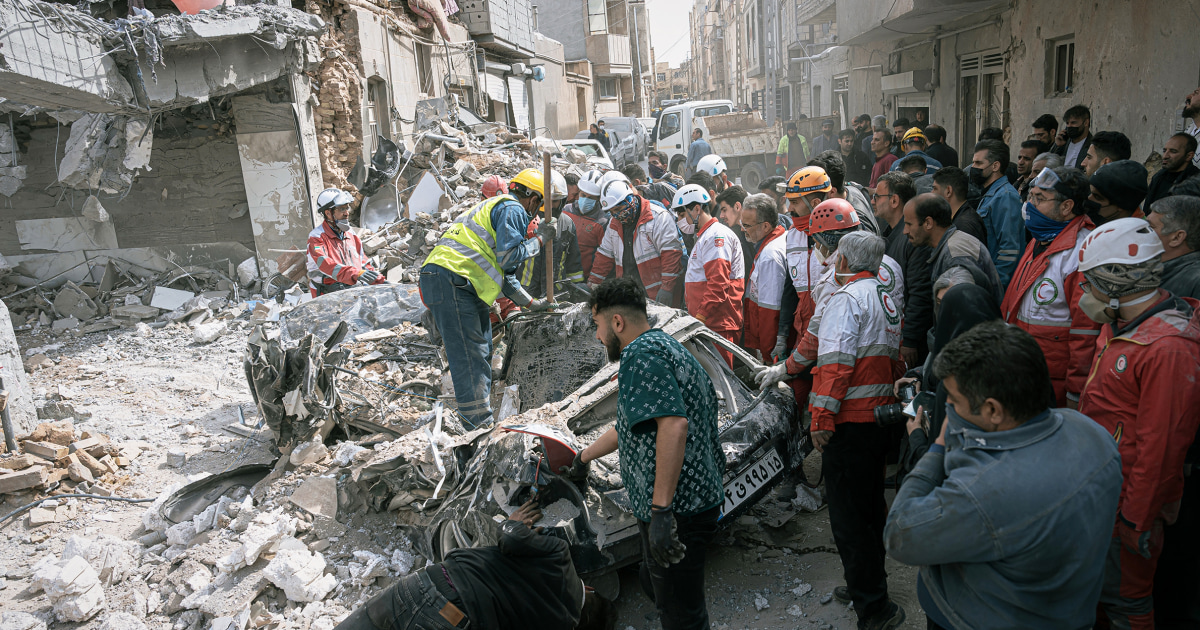
Since the joint U.S.-Israeli attack on Iran last month, Tehran has continued retaliatory strikes on military, energy and civilian infrastructure across the region.
“We are seeing an existential threat to international and regional security. This aggressive approach is undermining international law and sovereignty,” Kuwaiti Ambassador Naser Abdullah H. M. Alhayen told the Geneva-based council earlier today. Other Gulf states also denounced Iran’s actions which they said were designed to spread terror.
Iran defended its actions, saying responsibility for the attacks also lies on those “who facilitated, supported and encouraged them,” said Iranian Ambassador to the U.N. in Geneva Ali Bahreini.
U.N. High Commissioner for Human Rights Volker Turk warned in a statement released today about the effect on the Gulf States and Jordan, saying strikes and interceptions there have caused “terrible harm to civilians, including dozens of deaths and injuries.”
Many of the strikes in this conflict raise “serious concerns” under international law, he said, which prohibits attacks targeting civilians and civilian infrastructure, and attacks on military targets where harm to civilians is disproportionate.