

Hormone replacement therapy patches used for menopausal women can also treat prostate cancer in men, a study has found.
A clinical trial on 1,360 men, led by University College London, found that oestrogen patches were just as effective as hormone therapy injections at preventing men from dying from prostate cancer.
The researchers called for HRT patches to be approved for treating prostate cancer on the NHS, stating they provide a “much easier and gentler” option with fewer debilitating side-effects.
Most men with advanced prostate cancer receive hormone therapy, which works by blocking the production of testosterone, which prostate tumour cells need to grow.
This is traditionally delivered through injections called LHRH agonists, which are given in hospital every few weeks and stop the body from producing testosterone.
The new study tested if oestrogen patches, used to treat menopause symptoms such as hot flushes, could be just as effective. These patches can be fixed to the skin by patients at home and gradually release small amounts of oestradiol, a type of oestrogen, to the body, lowering testosterone production.
In the trial, half the men received HRT oestradiol patches and the other half received injections. After three years, 87 per cent of people in the oestradiol group were alive without their cancer spreading, compared with 86 per cent in the standard-of-care group.
The men in the study had an average age of 72 and were recruited from hospitals around the UK. They all had prostate cancer which had spread just outside the gland, known as locally advanced or stage three prostate cancer.
The study, published in the New England Journal of Medicine, also found that quality of life improved for men on patches instead of injections.
Hormone therapy injections also lower oestrogen, leading to related side-effects such as hot flushes and bone frailty. The patches mitigate these effects by topping up oestrogen.
In the trial, only 44 per cent of men on the patches reported hot flushes, compared with 89 per cent on injections. Twice as many men on injections than on the patches experienced bone fractures. However, 85 per cent of men on patches experienced breast tissue swelling, against 42 per cent of those on injections.
Prostate cancer is the UK’s most common type of cancer, with 64,000 cases and 12,000 deaths every year.
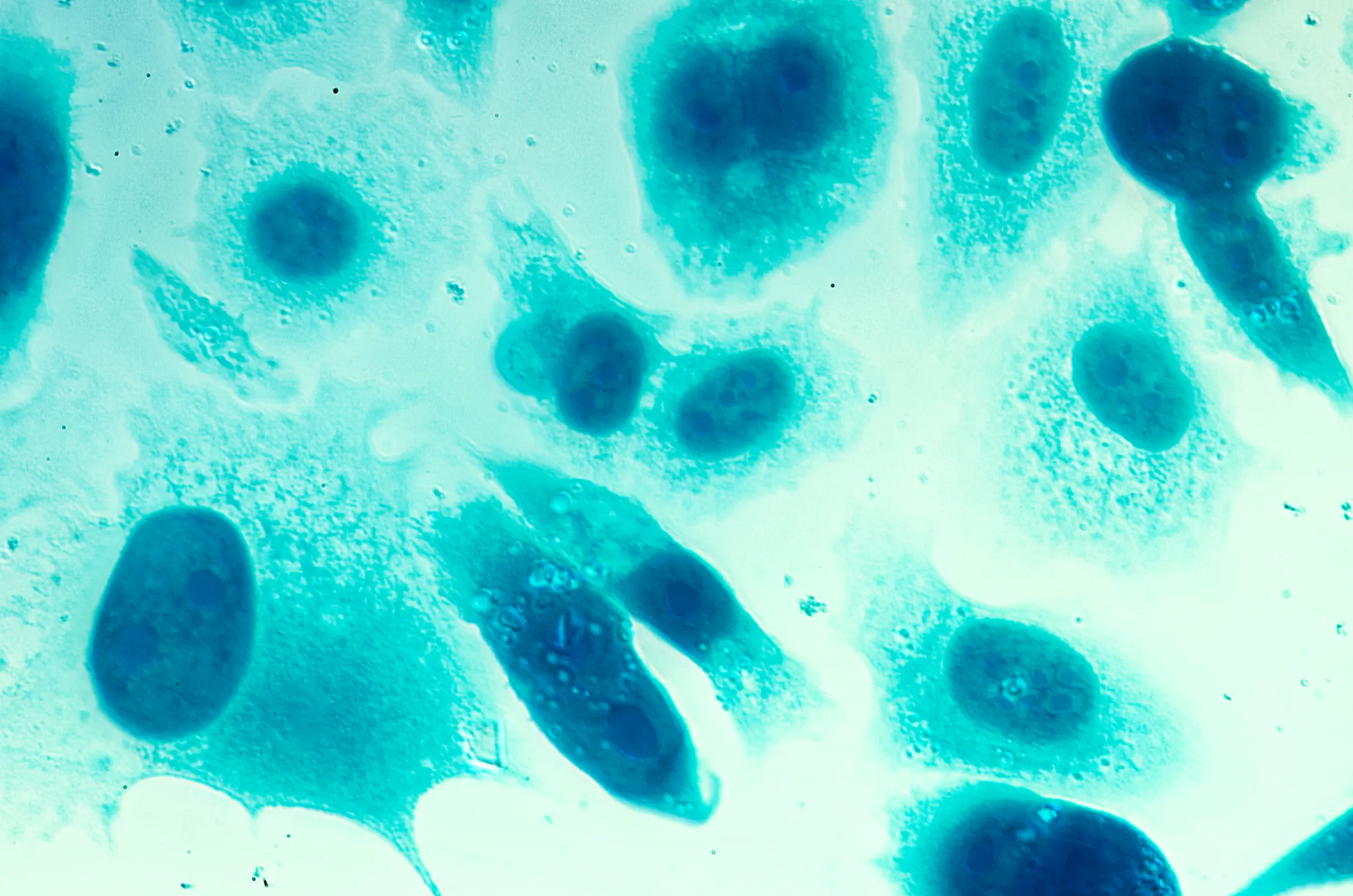 Prostate cancer need testosterone to grow and spread
The study’s lead author, Professor Ruth Langley, of the MRC Clinical Trials Unit at UCL, said: “We believe our findings should lead to men with locally advanced prostate cancer being able to choose which hormone therapy suits them best. For some men, for instance, hot flushes can be very debilitating, and so the patches could greatly increase their quality of life.
“We hope these patches can be made more easily available to treat prostate cancer so that men have the benefit of a choice of treatment.”
The HRT patches used in the trial are licensed only for the menopause so would need to be separately approved as a prostate cancer treatment before being widely used on the NHS.
Simon Grieveson, assistant director of research at Prostate Cancer UK, said: “Hormone therapy is an extremely common and effective treatment for prostate cancer, currently given through regular injections. But for many men it can cause quite significant side-effects.
“Results from the Patch/Stampede trials have shown that hormone patches like these, delivered through the skin, are just as effective at delaying cancer progression. The skin patches also resulted in fewer men experiencing hot flushes. However, breast tissue swelling was more common.
“These skin patches are more convenient and less invasive and could give men greater choice in their treatment based on what’s important to them and how they live their lives.”
Caroline Geraghty, of Cancer Research UK, said: “Prostate cancer remains the most common cancer in men in the UK — that’s why we must continue to find new breakthroughs in treating the disease. Thanks to research, over eight in ten men diagnosed with prostate cancer will now survive for ten years or more. As well as finding more effective treatments, we need to find ways to make them kinder too.
“This trial has done exactly that. It shows that hormone patches are just as effective as traditional injections at controlling locally advanced prostate cancer, while being much easier and gentler to administer. This should give men greater choice over their treatment in the future, allowing them to live not just longer lives, but better lives.”