
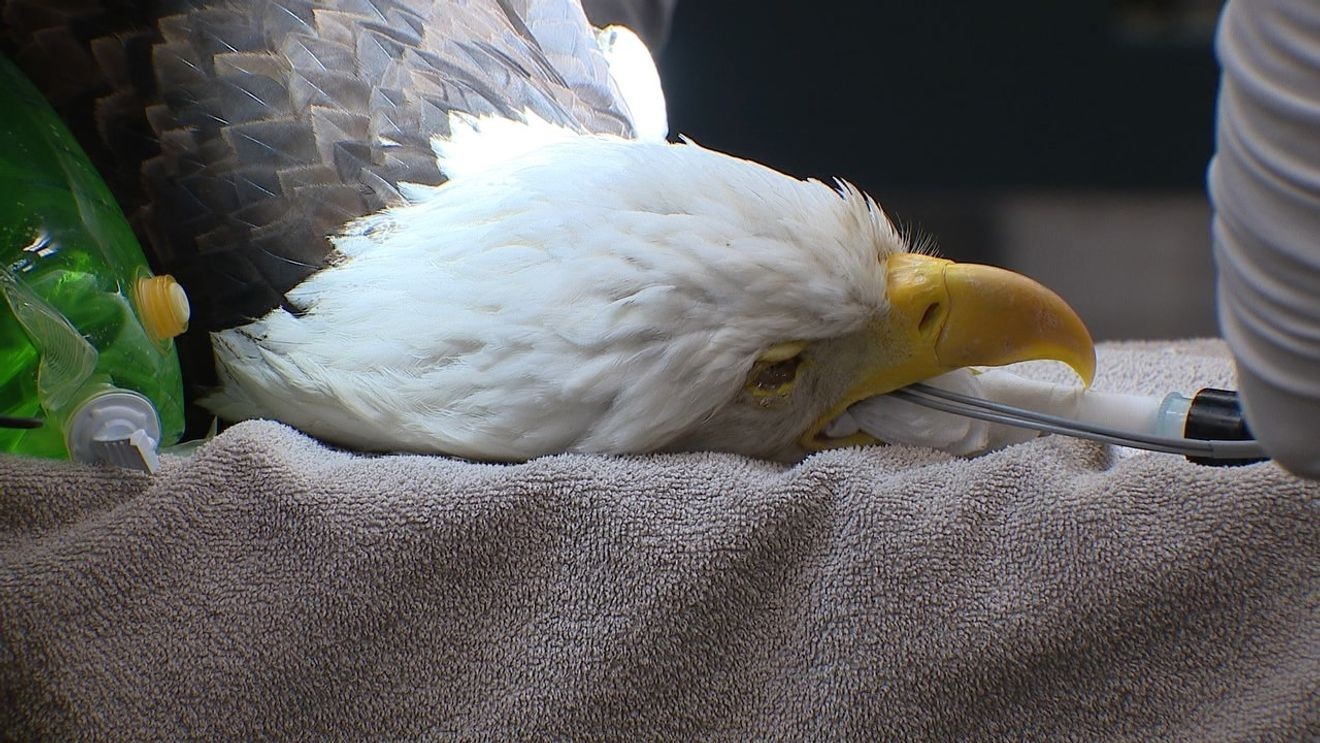
WASHINGTON STATE — This is physical therapy day for a bald eagle. She came to the Progressive Animal Welfare Society (PAWS) Wildlife Rehabilitation Center with a broken bone and mysterious wounds all over her body.
“This is often the case with wildlife rehabilitation,” veterinarian Dr. Nikki Rosenhagen said. “People find these animals down and don’t know what happened. Sometimes they know the animal hit a window or was struck by a car. In this case, we’re not sure.”
The team at PAWS began wound care and applied a splint. In physical therapy, staff gently stretch the eagle’s healing wing with the goal of restoring strength and allowing it to fly again. The eagle is one of dozens of animals currently being treated at PAWS.
“On Tuesday, we took in a bat, a ring-necked duck, and an adult raccoon,” said Robbie Thorson, a wildlife rehabilitator. “It was a quiet day, and then all of a sudden it picked up. In the summer, we can see 60 to 70 animals on the busiest days.”
Thorson said Washington’s outdoor culture contributes to the number of injured animals brought in.
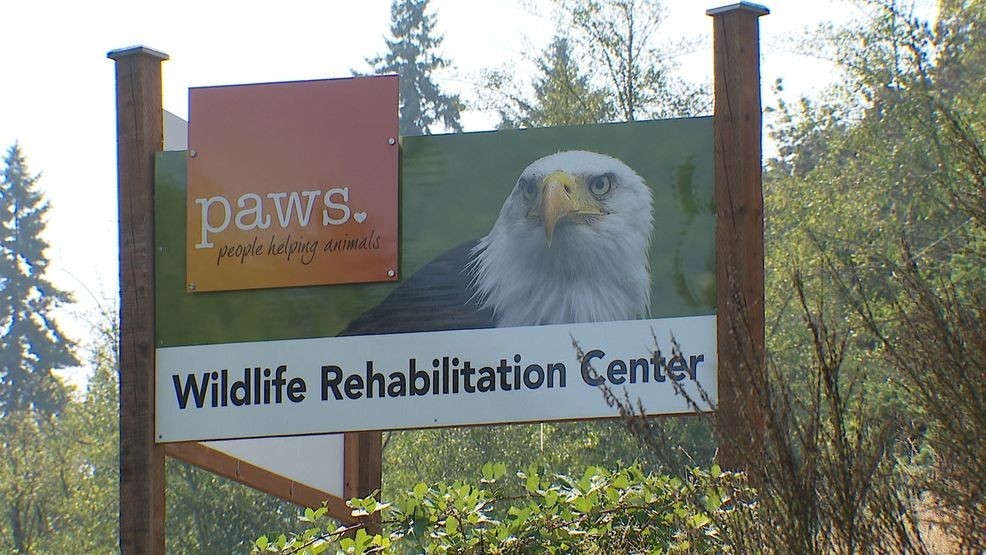
An image of a sign for the PAWS Wildlife Rehabilitation Center in Snohomish County. (KOMO News)
A lot of people are hiking, and the state has a very outdoors-oriented culture,” Thorson said. “It’s not uncommon for people to see bears or deer, and there are a lot of birders.
That helps explain why many people are eager to assist injured wildlife. During a recent visit, a wounded squirrel arrived shortly after an immobile hummingbird. Irene Billa said she found the hummingbird on her porch and initially thought it had died.
“I noticed it was breathing,” Billa said. “So I got really excited and decided to bring it to PAWS to see if they could save it.”
PAWS treats more than 4,000 animals each year, including birds, bobcats, and black bears. The organization also prepares for injuries related to wildfires, oil spills, and other disasters.
Wildlife are just trying to live their normal lives, and they’re often impacted by people, vehicles or development,” said Jennifer Convy, senior director at PAWS. “This is our way of helping and giving back. While we believe in nature taking its course, many of the cases we see involve human-caused injuries.
Holly Aprecio is one of about 800 volunteers at PAWS. She helps prepare food, clean enclosures, and assist with daily care.
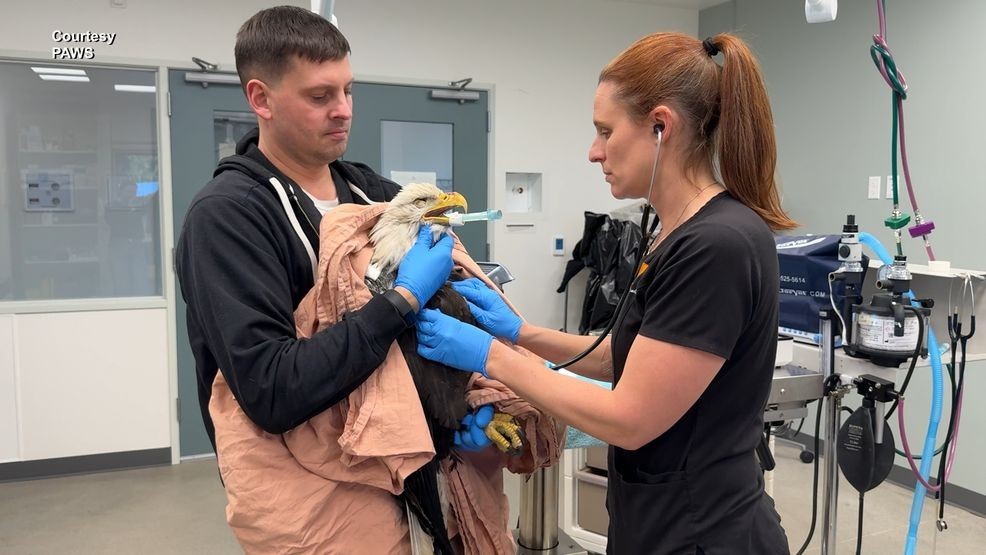
An image of an eagle being operated on by a crew member of the PAWS Wildlife Rehabilitation Center{ }in Snohomish County. (Courtesy: PAWS Wildlife Rehabilitation Center)
“Lots of cleaning,” Aprecio said with a laugh. “Animals aren’t known for being especially tidy.”
Staff limit human interaction to keep animals wild, but some situations require direct care, such as in the baby bird nursery. Spring brings a surge of injured and orphaned birds, creating a busy and fast-paced environment.
“You have species characteristics, but each animal is an individual,” said Raina Domek, wildlife rehabilitation manager. “How they respond to care and the problems you solve along the way make the work rewarding.”
A kestrel falcon recently arrived with unexplained injuries. After weeks of treatment, it is recovering, and veterinarians believe it may eventually return to the wild.
“We’re hoping with supportive care, pain medication, and time that the injury will heal,” said wildlife veterinary intern Dr. Hassan Hanna. “We’re optimistic this bird can return to the wild.”
That is the goal for every animal treated at PAWS — to heal and return to its natural habitat.
PAWS also runs a companion animal shelter in Lynnwood and PAWS Cat City in Seattle.