

Home » Brazil Travel News » Brazil Overtakes Colombia, Peru, Ecuador, Chile, Venezuela, Bolivia and More Countries Supercharging as South American Source Market to US and Spike in Middle-Class Outbound Travel: Here is the Latest Finding
Published on
March 27, 2026
By: Tuhin Sarkar

Image generated with Ai
Brazil overtakes Colombia, Peru, Ecuador, Chile, Venezuela, Bolivia and more countries as South American source market to US surges, driven by middle-class outbound travel spike and shifting economic power dynamics.
Brazil overtakes Colombia, Peru, Ecuador, Chile, Venezuela, Bolivia and more countries as South American source market to US surges, driven by middle-class outbound travel spike and shifting economic power dynamics.
Brazil overtakes Colombia, Peru, Ecuador, Chile, Venezuela, Bolivia and more countries as South American source market to US expands rapidly. This latest finding confirms a powerful shift. Brazil overtakes Colombia again. Brazil overtakes Peru, Ecuador, Chile, Venezuela, Bolivia and more countries with a spike in middle-class outbound travel. The momentum is real. The surge is structural. The United States is witnessing a changing visitor mix. South America is no longer uniform. Instead, it is fragmented and competitive.
However, Brazil is leading this transformation. A rising middle class is travelling more. Disposable income patterns are shifting. Airline connectivity is strengthening. Routes between São Paulo and Miami are intensifying. Travel demand is accelerating despite cost pressures. According to global tourism data, international travel demand continues to recover strongly, with arrivals rising globally in 2025 . This broader recovery is feeding into outbound travel from South America.
Meanwhile, Colombia is expanding but cannot match Brazil’s scale. Argentina is surging but remains volatile. Chile and Venezuela are declining sharply. Economic pressure is reshaping behaviour. Currency depreciation is limiting long-haul travel. Travellers are becoming selective.
Advertisement
Advertisement
Therefore, Brazil overtakes Colombia, Peru, Ecuador, Chile, Venezuela, Bolivia and more countries as South American source market to US dominance becomes clearer. Travel And Tour World urges readers to read the entire story. The shift is not temporary. It is structural. It is economic. It is strategic. And it is redefining how South America connects with the United States.
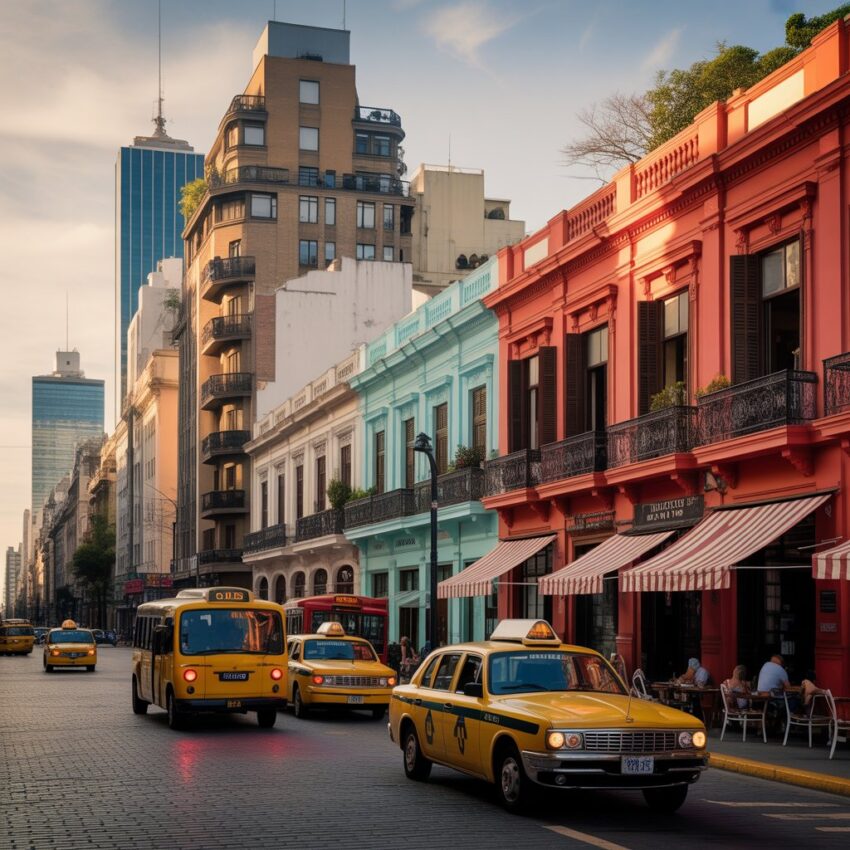
Image generated with Ai
CountrySelected YearComparison Year% ChangeShare %Brazil1,916,5651,910,2560.3%2.8%Colombia1,119,9981,068,9974.8%1.6%Argentina789,942687,44414.9%1.2%Ecuador458,799492,163-6.8%0.7%Peru372,986364,1522.4%0.5%Chile318,819392,239-18.7%0.5%Venezuela165,589210,073-21.2%0.2%Guyana76,55978,622-2.6%0.1%Uruguay67,99574,089-8.2%0.1%Bolivia66,09075,260-12.2%0.1%Paraguay29,62527,6987.0%0.0%Suriname15,97315,7831.2%0.0%French Guiana1,6071,873-14.2%0.0%Falkland Islands18016012.5%0.0%Total5,400,7275,398,8090.0%7.9%
South America’s travel to the United States in 2025 shows a divided pattern. Brazil holds steady. Colombia and Argentina drive strong growth. Chile, Venezuela, and Bolivia decline sharply. Economic shifts, currency pressure, and air connectivity are reshaping the entire South American outbound travel landscape.
Advertisement
Advertisement
South America is witnessing a dramatic reshaping of outbound travel to the United States. Brazil, Colombia, and Argentina are driving momentum. Meanwhile, Chile, Venezuela, and Bolivia are slipping into decline. The latest visitor data reveals a fragmented recovery. Growth is not uniform. It is uneven and strategic. Currency volatility is playing a major role. Airline capacity is influencing movement. Economic resilience is defining winners and losers. This shift is not temporary. It reflects a deeper structural transition in travel demand. South America is no longer moving as one bloc. Instead, each country is charting its own path. The United States remains a key destination. But the dynamics behind arrivals are changing fast.
Why Is Brazil Still Dominating US Travel From South America?
Brazil continues to lead South America’s outbound travel to the United States. It records over 1.9 million arrivals. Growth remains minimal at 0.3%. This signals maturity rather than expansion. The market is large but stable. Strong air routes connect São Paulo and Rio to Miami and New York. Airlines like American Airlines and LATAM Airlines maintain high frequency. Brazilian travellers prefer shopping, leisure, and family visits. However, the weak Brazilian Real is restricting growth. Travel costs to the US are rising. Inflation is impacting discretionary spending. Despite this, Brazil’s sheer size ensures dominance. It remains the backbone of South American travel to the US.
How Is Colombia Emerging As A High-Growth Powerhouse?
Colombia is rapidly transforming into a growth engine. It records over 1.1 million arrivals. Growth stands at a strong 4.8%. This is driven by rising middle-class income. Outbound travel is becoming more accessible. Airlines like Avianca are expanding routes. Connectivity to US hubs is improving. There is also strong diaspora movement. Visiting friends and relatives remains a key driver. Colombian travellers are exploring retail and leisure tourism. Visa accessibility has improved perception. The US is seen as a reachable destination. Growth is consistent and sustainable. Colombia is no longer an emerging market. It is now a core contributor to US inbound tourism.
Image generated with Ai
Why Is Argentina Experiencing Explosive Travel Growth?
Argentina is recording the fastest growth among major markets. Arrivals are up by 14.9%. This is a sharp rebound. Economic adjustments are influencing behaviour. Currency fluctuations are encouraging outbound travel during favourable periods. There is strong pent-up demand. Travellers are eager to explore international destinations. Airlines are responding with increased capacity. US cities are seeing higher Argentine footfall. Shopping tourism is also rising. However, this growth may not be stable. Argentina’s economy remains volatile. Inflation and policy shifts could reverse trends. Still, for now, Argentina is a major growth driver. Its impact on US tourism is significant.
Why Are Chile And Venezuela Facing Sharp Declines?
Chile and Venezuela are both declining sharply. Chile sees a drop of 18.7%. Venezuela falls even deeper at 21.2%. These declines are driven by economic stress. Currency depreciation is making US travel expensive. Chileans are shifting to regional destinations. Travel within South America is becoming more attractive. Venezuela faces deeper structural issues. Economic instability is limiting outbound movement. Airline connectivity is also reduced. International travel options are shrinking. Demand for US travel is weakening. These markets are no longer reliable contributors. Their decline is reshaping overall regional performance. The US tourism sector is feeling this impact.
What Role Do Peru And Ecuador Play In This Travel Shift?
Peru and Ecuador sit in the middle of the spectrum. Peru shows moderate growth at 2.4%. Ecuador declines by 6.8%. Peru benefits from diaspora travel. Cultural and family connections drive movement. Political stability is slowly improving. This supports outbound travel. Ecuador, however, is under pressure. Economic challenges are limiting travel budgets. Security concerns are also affecting mobility. Travellers are becoming cautious. Airlines are adjusting capacity accordingly. These two markets reflect the broader regional divide. Growth and decline exist side by side. Their performance highlights how sensitive travel demand is to internal conditions.
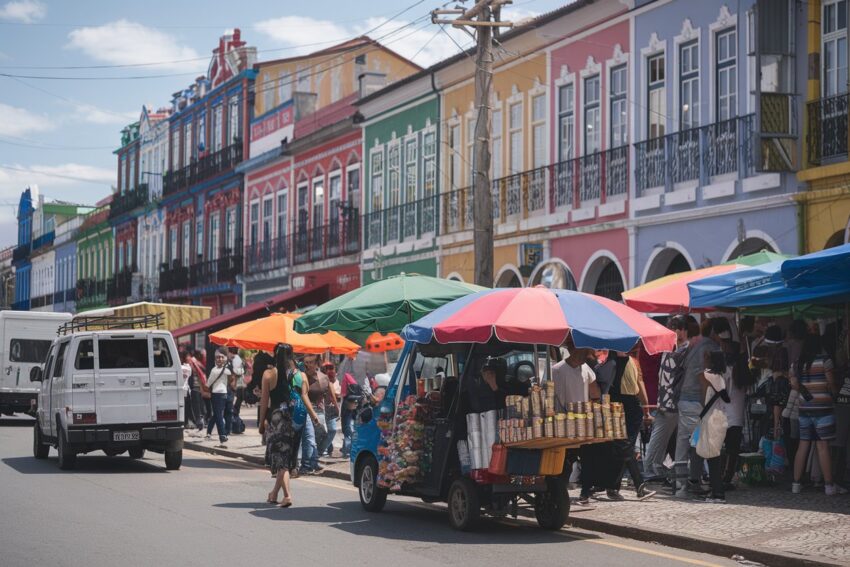
Image generated with Ai
Are Smaller Markets Like Paraguay And Suriname Becoming Relevant?
Smaller markets are showing interesting signals. Paraguay grows by 7.0%. Suriname records a modest 1.2% increase. These numbers are small but meaningful. Growth from a low base indicates emerging demand. Economic improvements are enabling travel. Connectivity is slowly improving. Diaspora links are also playing a role. However, total volumes remain limited. These markets cannot yet influence overall trends. Still, they offer future potential. Tourism boards are watching closely. Airlines may explore expansion opportunities. Over time, these smaller markets could become strategic contributors. For now, they remain niche but promising.
Brazil overtakes Colombia, Peru, Ecuador, Chile, Venezuela, Bolivia and more countries as South American source market to US because of a powerful combination of economic resilience, connectivity, and middle-class expansion. The cause is clear. Brazil’s population size, growing travel culture, and airline infrastructure are driving outbound momentum. The answer lies in scale and stability. Brazil has both.
Colombia is rising. Argentina is surging. But neither can match Brazil’s consistency. Argentina’s growth is driven by temporary economic cycles. Colombia depends heavily on airline expansion and diaspora movement. Brazil, however, benefits from structural demand. It has a large domestic base of international travellers. It has strong global airline integration. It has established travel corridors to the United States.
At the same time, declining markets are reinforcing Brazil’s dominance. Chile is struggling with high outbound costs. Venezuela faces deep economic constraints. Bolivia and Ecuador are limited by affordability and connectivity. These weaknesses shift market share toward Brazil.
The reason is deeper than numbers. South America’s outbound travel is becoming polarised. Strong economies are gaining ground. Weaker economies are losing influence. This divergence is accelerating. Industry reports also show sustained travel growth across Latin America, supported by rising air traffic and expanding tourism economies .
Looking ahead, Brazil will remain the anchor market. Colombia will continue to grow. Argentina will fluctuate. Smaller markets will emerge slowly. But the overall pattern will persist. Brazil overtakes Colombia, Peru, Ecuador, Chile, Venezuela, Bolivia and more countries as South American source market to US because it is structurally positioned to lead. The shift is long-term. The impact is global. And the implications for US tourism are profound.
How Are Economic And Currency Factors Reshaping Travel Trends?
Economic conditions are the most powerful driver. Currency strength directly impacts travel affordability. A strong US dollar makes travel expensive. South American currencies are under pressure. Inflation is rising across multiple countries. Disposable income is shrinking. Travellers are becoming selective. Long-haul trips are being reconsidered. Regional travel is gaining preference. Airline pricing is also a factor. Fuel costs and operational expenses are rising. Ticket prices reflect this pressure. Governments are influencing policy environments. Visa rules and economic reforms matter. Overall, economics is redefining travel patterns. It is shaping who travels and who stays back.
What Is The Role Of Airlines In Driving Or Limiting Growth?
Airlines are central to this transformation. Connectivity determines accessibility. More routes mean more travellers. Airlines like Delta Air Lines and United Airlines are expanding selectively. South American carriers are also adjusting strategies. Capacity is being shifted to stronger markets. Colombia and Brazil are benefiting. Declining markets are losing routes. Frequency reductions are impacting demand. Pricing strategies are evolving. Airlines are targeting high-yield routes. Seasonal demand is influencing schedules. Competition is intensifying. Low-cost carriers are entering certain segments. Overall, airlines are shaping the flow of travel. Their decisions directly impact tourism trends.
South America’s travel to the United States is undergoing a major transformation. Brazil remains dominant but stagnant. Colombia and Argentina are powering growth. Chile and Venezuela are declining sharply. Smaller markets are slowly emerging. Economic conditions are driving behaviour. Currency fluctuations are influencing decisions. Airlines are shaping connectivity. The region is no longer unified in its travel trends. Instead, it is fragmented and dynamic. The United States remains a key destination. However, future growth will depend on strategy. Pricing, policy, and connectivity will be critical. South America’s travel story is evolving. And the shift is far from over.
Source: www.trade.gov
Advertisement
Advertisement
