
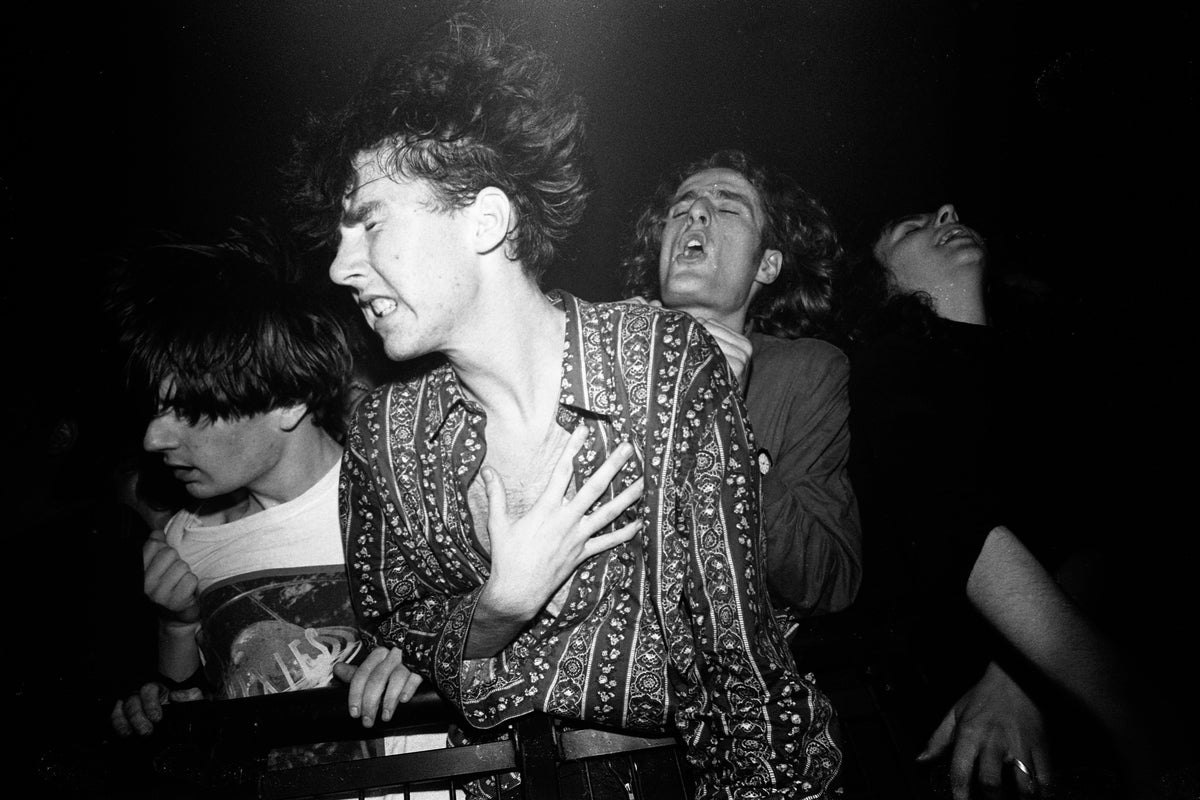
I’m in the back room of a scruffy pub in East London on a Saturday at a club called Scared to Dance, watching my life flash before my eyes – I’m back in my student union circa 1986. The DJ plays “Into the Valley” by the Skids, “In Between Days” by the Cure and “Cities” by Talking Heads. The crowd of twentysomethings know the words and are all singing along.
The girls dance, the boys lumber, but this is 2026, not 1986, and my 24-year old daughter is about to walk in any minute. How is this a club that both my daughter and I would choose? How on earth does this indie club exist in the first place?
I’m Gen X, and I think of indie music as our Frankenstein’s monster that was eaten up by rave. Indie was odd, misshapen, flawed and messy. It was never meant to be popular or endure. However, Gen Z is out in force and loving it tonight.
Loosely indie means “stuff that wasn’t in the mainstream charts between punk and acid house”, but if you want to be a nerdy trainspotter about it (and as most indie kids totally do) it means music released on an independent label after 1977 when the Buzzcocks exploded after walking into a branch of Virgin with a box of singles on a label they’d set up called New Hormones.
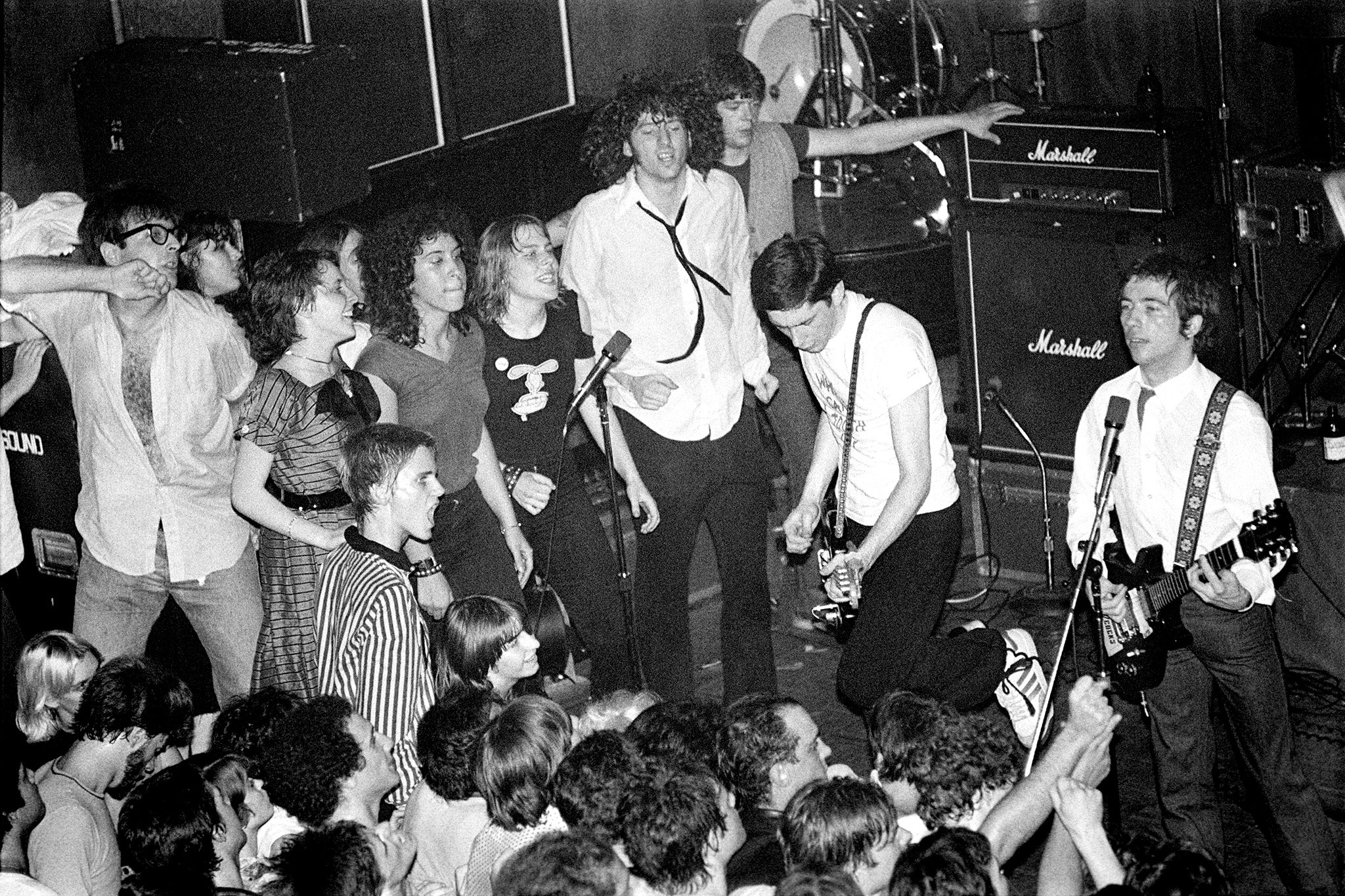 Buzzcocks performing at a Club 57 presents show at Irving Plaza in New York City on 1 September, 1979 (Getty)
They’d been inspired by watching punk progenitors the Sex Pistols in High Wycombe, but indie is not punk. “Punk cleared the decks because everything had become stale and cliched,” explains Richard Benson, former editor of The Face. “That was ground zero; bands had to reinvent everything. Post-punk, indie bands were consciously deconstructing the ideas of pop, so Aztec Camera and Prefab Sprout avoided verse and chorus, and Scritti Politti released songs about Jacques Derrida.
“Then it evolved into postmodern pop like ABC, Ian Astbury with the Cult, reinventing heavy metal, Wham! doing miners benefits, Cabaret Voltaire sort of inventing acid house.”
But indie clubs are now exploding for a whole new generation. There’s No Alternative in Bristol, Strangeways in Leeds, which have seen a huge uptick in younger punters, Spellbound in Brighton, and the recently started Whip It in Birmingham’s Night Owl.
Whip It, on the other hand, is just six months old. The club’s DJ Mazzy Snape plays at the venue’s mix and match night Dig It, and noticed twentysomethings filled the floor for the 1980s indie. The venue already had an indie sleaze night, playing indie bands like The Strokes, The Libertines and Arctic Monkeys that pulled in a millennial crowd, but Whip It was now dominated by Gen Z.
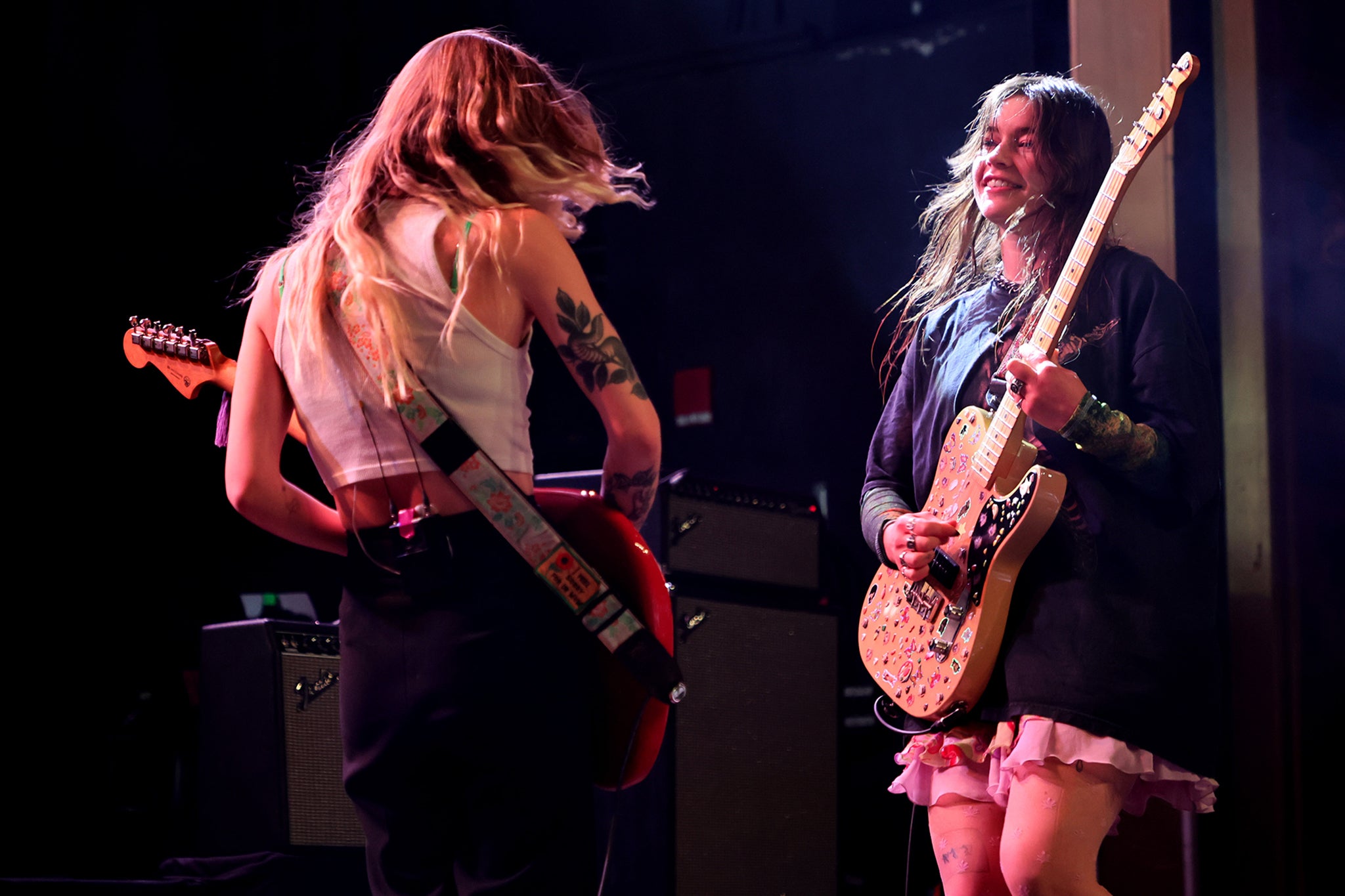 Wet Leg, who don’t sound out of place on a set with The Cure and The Smiths, at Webster Hall in New York (Getty)
It’s the same picture at every club promoter I spoke to. “At the moment, we are at our busiest ever,” says Marcus Harris, co-promoter of White Heat at the Lexington Arms in Islington. “It has exploded. The average age of our punters is 24 to 27 years old. There’s a smattering of older people, but it’s a young crowd.”
So what is it about this self-consciously assembled, argumentative and almost self-loathing movement that survived the bouncy joy of rave, the thumping 1960s revival of Nineties Britpop?
For Liam Inscoe-Jones, the 29-year-old author of Songs in the Key of MP3: The New Icons of the Internet Age, his generation loves the music for its contradictions and messy attitude. “Indie is the punk ethos without the aggression,” he explains. “It has a mix of sweetness, oddness, eccentricity and gentility that hits my generation. Artists like Little Simz pay homage to it, and I mean, Olivia Rodrigo brought Robert Smith from The Cure onstage at Glastonbury. 1980 never dies.”
“I feel like there were a lot of working-class musicians around then, and you don’t have that now so much,” adds Whip It founder and DJ Mazzy Snape. “You can really relate to the struggles, the things that people are singing about. There are new bands like Fontaines DC, but there’s Joy Division, too. There’s something there that feels real.”
Back at Scared to Dance, DJ Paul Richards agrees. “The whole point of indie is that it’s for the othered and the awkward,” he explains. “That sense of anxiety that you just don’t fit. That’s what indie is, or at least the way it should be. It’s music for misfits.”
And misfits are almost an industry. Guest indie club DJs have included the Turner Prize-winning artist Jeremy Deller, poet laureate Simon Armitage, comedians James Acaster, Rose Matafeo, Nish Kumar, Lolly Adefope, Ivo Graham, Olga Koch and Celya AB, former professional footballers Gaizka Mendieta and Pat Nevin, broadcasters Gideon Coe and Colin Murray and writers Jon Ronson, Simon Price and Pete Paphides.
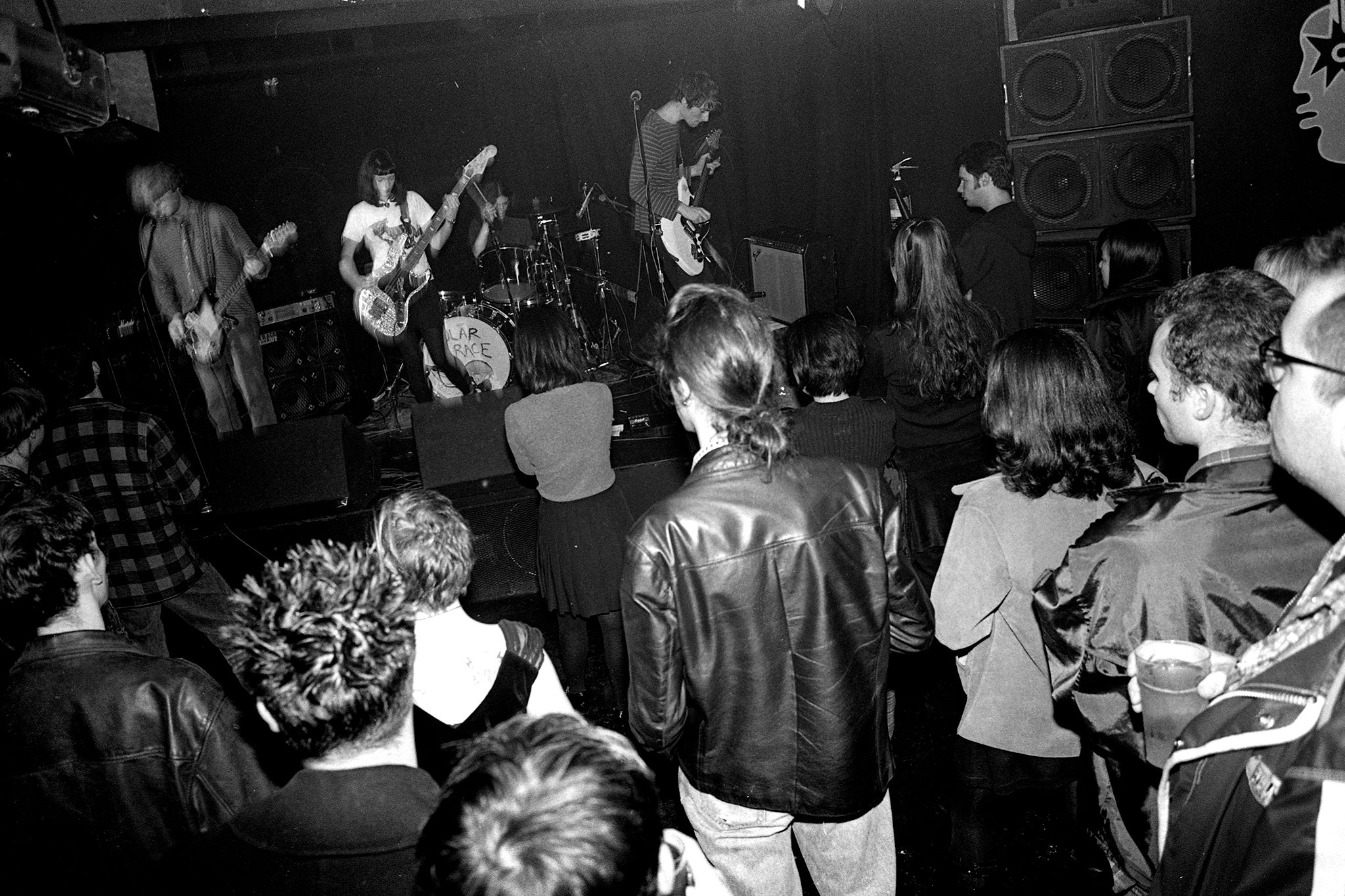 Indie Rock fans watch the band Solar Race performing on stage at the Dublin Castle in Camden Town, London, 1994 (Getty)
On the night I was at Scared to Dance, the young Brighton indie band Lime Garden took to the decks and played a set including New Order, Air, Garbage and Daft Punk. This new generation of indie-inspired musicians are messing around with and sampling the original 1980s wave far more than the indie sleaze bands of the early Aughts.
The likes of Wet Leg and Fontaines DC don’t sound out of place on a set with The Cure and The Smiths – the latter currently huge on TikTok. Indeed, a profile of TikTok influencers in last summer’s Dazed reported: “young TikTok creators are not just taking elements of the look but cosplaying the entire aesthetic.” Go figure.
And this wave of indie is far more diverse than it used to be. Simon Powell, Spellbound’s founder and DJ, says, “Indie tends to go hand in hand with alternative lifestyles. A lot of the younger people who come to Spellbound are non-binary or trans and dress in quite unconventional ways. They’ve got the crazy makeup in their hair, and they’re dressed in a slightly more flamboyant way to the long overcoat brigade of the 1980s.”
As one of the original indie kids, I am trying to make sense of the revival. The economic picture for young Brits in 2026 is indeed similar to the early 1980s, thanks to poor job prospects and the cost-of-living crisis. When I asked my daughter why she went to Scared to Dance, she simply says: “It’s quite nostalgic, and there’s a really interesting idea that it’s a reaction to music becoming less emotive and increasingly consumption bait.
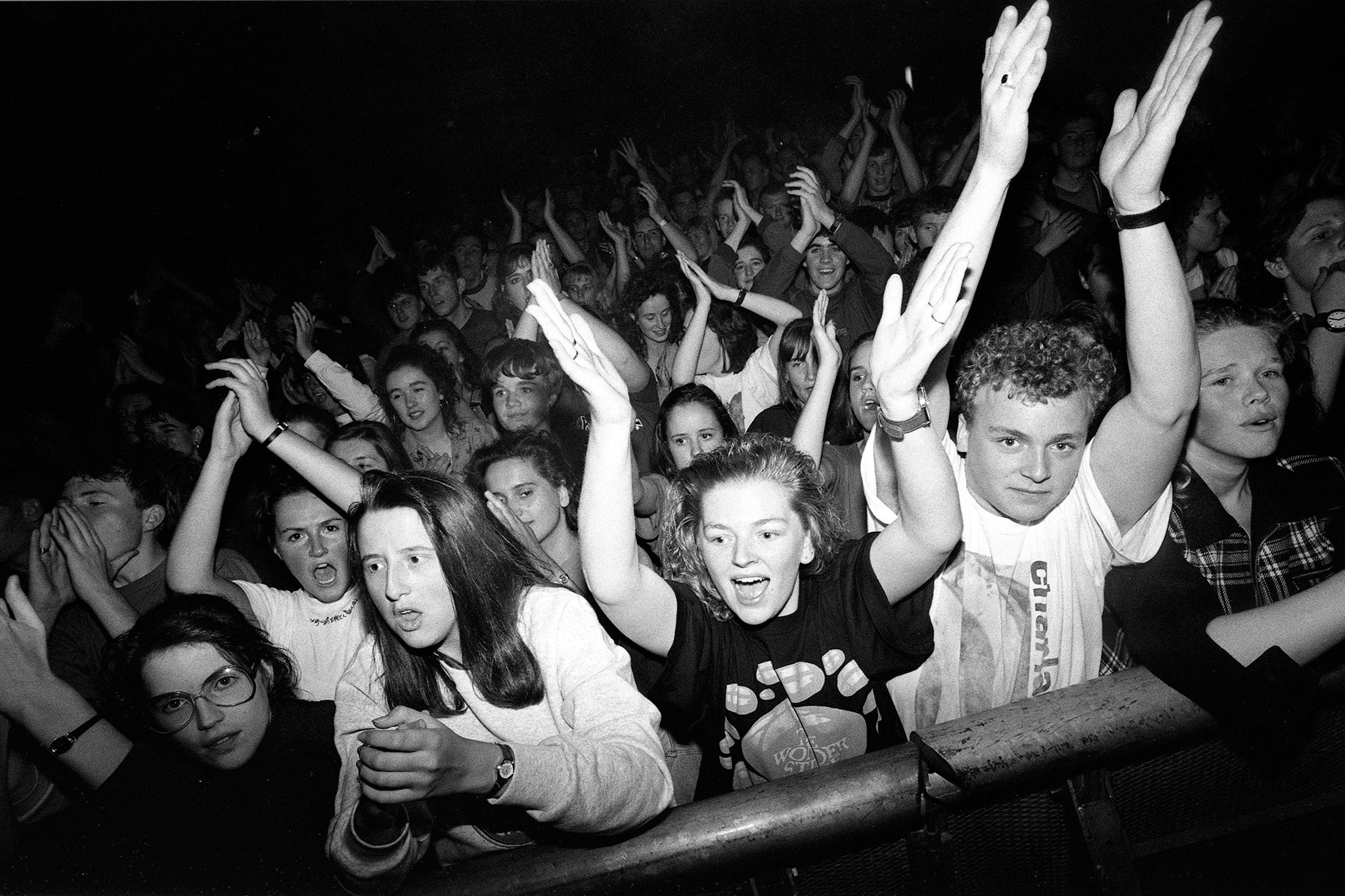 Early 1990s indie music fans in the front rows of the crowd at a gig, London, 1990 (Getty)
“In a world driven by streaming platforms, algorithms and viral sounds, songs still fill our ears but not always our hearts. Somewhere along the way, we may have traded emotional depth for instant gratification.”
It’s also the case, she pointed out, that her generation was brought up by Gen X dads who used this music taste to communicate and understand a common emotion.
Could it really be that Gen X men use indie music as our love language? How many of these twentysomethings are hitting the dance floor as part of an attempt to understand just what is going on in their dad’s hearts? And if my favourite song from that era is “I Don’t Want to Live with Monkeys” by The Higsons, what chance do any of us have? Still, at least the music hits. There’s an actual essay that proves it.
Pop quiz:
The new wave of indie clubs are usually named after indie songs or albums. Can you identify the roots of Scared to Dance (London), Whip It (Birmingham), Spellbound (Brighton), Strangeways (Leeds), Just Like Heaven (Edinburgh) and the Better Land (Bristol)?
Answers:
Scared to Dance, The Skids’ debut album, 1979
“Whip It!”, single by Devo, 1980
“Spellbound”, single by Siouxsie and the Banshees, 1981
Strangeways Here We Come, the final album by The Smiths, 1987
“Just Like Heaven”, single by The Cure, 1987
“Better Land”, single by Fontaines DC, 2019