
Saturday is March 28. That’s not a particularly significant day on the calendar, except that it marks four weeks to the day since the U.S. and Israel began waging a new war on Iran.
There are profound impacts from the war, obviously, for all the people in harm’s way in the Middle East and for U.S. troops, and their families back home — and also for the U.S. economy, which has been buffeted by multiple shifts and shocks since the war began.
The economic landscape in this country looks very different now than it did four weeks ago — from the sharply higher gas prices consumers face every time they fill up, to the ugly losses folks are seeing in their stock portfolios and retirement accounts, to the prospect of higher inflation and higher interest rates sticking around for a much longer time.
“The impact so far has been very negative. There’s no upside to this, there’s nothing but downside,” said Mark Zandi, chief economist at Moody’s Analytics. “Obviously we’re paying a lot more for gasoline. Before all this we were paying less than $3 a gallon, now we’re paying $4. And the direction of travel is pretty disconcerting.”
Inflation pressure is already reflected in sharply rising interest rates.
“If you want to go out and get a mortgage, you have to pay 6.5% on a 30-year fixed. That’s up about a half a point,” Zandi said. “If you’re a business, I wouldn’t count on any more rate cuts by the Federal Reserve.”
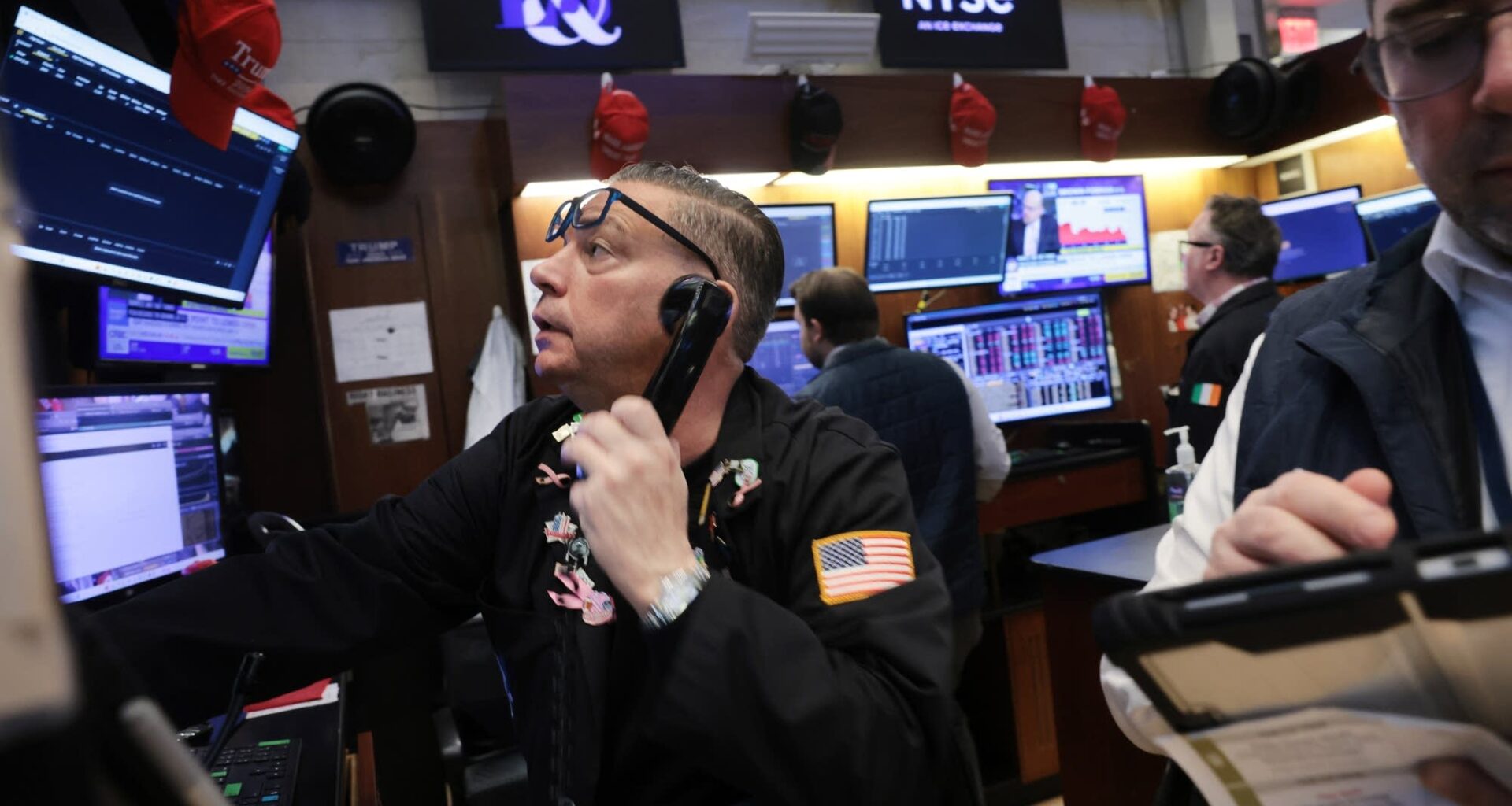
Another place feeling the impact of four weeks of war is the stock market, said Sam Stovall, chief investment strategist at CFRA Research.
“The market has taken a one-two punch and is staggering like an aging boxer,” he said.
All of the major indexes — S&P 500, Dow, and Nasdaq — are down sharply. That doesn’t mean that every sector’s suffering — energy stocks are up 25%.
“There’s an old saying that when the going gets tough, the tough go eating, smoking and drinking,” Stovall said. “So you have consumer staples—food, beverage, tobacco—are down, but less than 1%.”
So far, we haven’t seen much impact on the job market, though Paul Christopher, head of global market strategy at the Wells Fargo Investment Institute, said it was already pretty weak.
“The job growth numbers have been some of the lowest that I’ve ever seen, but still the unemployment claims are also low,” he said.
Unemployment is likely to rise, Zandi said, as employers feel the pain of soaring energy prices and slower growth.
“So far, the damage is manageable, but it’s mounting,” Zandi said. “I think recession’s a real risk.”
That’s if the war and all its disruptions continue for another month.
Related Topics