
Home » FINLAND TRAVEL NEWS » Finland’s Tourism Surge: Record-Breaking Visitor Numbers and Rising Economic Impact Set to Propel Country’s Global Popularity in 2026
Published on
March 29, 2026
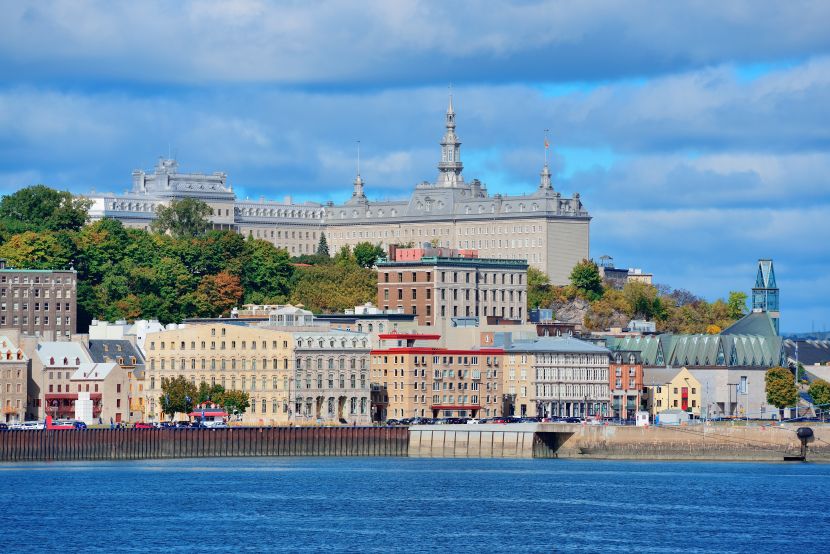
Image generated with Ai
Official statistics show that Finland is undergoing a notable tourism boom. Late 2025 saw record numbers of visitors, and early 2026 has continued this upward trend. Statistics Finland recorded 1.56 million overnight stays in November 2025 and 1.93 million in December 2025. Helsinki logged 4.924 million stays in 2025, an 8.2 per cent rise. These official figures highlight growing appeal and the expanding economic importance of tourism.
Surge in visitor numbers and overnight stays
Rising visitor numbers have been confirmed by government‑commissioned surveys. Visit Finland’s border survey recorded nearly five million foreign trips between December 2024 and November 2025, up four percent. Ninety percent of those trips included an overnight stay. Leisure travel made up 76 percent of trips and grew eight percent, while business trips declined. Accommodation statistics show non‑resident nights of 0.50 million in November 2025 and 0.98 million in December 2025, increases of seven and nine percent respectively. These figures show strong demand.
Economic impact and spending trends
The tourism boom has delivered economic gains. According to the border survey, foreign visitors spent €3.5 billion in the latest 12‑month period. Leisure travellers drove most of this spending. Statistics Finland reported that the average hotel room cost €131 in November 2025 and €168 in December, while Lapland averaged €228 and €356, respectively. These premium prices, coupled with high occupancy rates, indicate profitability. Helsinki noted that tourism supports jobs, restaurants and events, underscoring its wider economic impact.
Regional growth and nationwide patterns
Growth varies across Finland. Helsinki accounted for 36 percent of all international overnight stays in 2025, while other areas saw only 0.4 percent growth. Lapland hosted 0.55 million foreign nights in December 2025 and achieved 79 percent occupancy. National occupancy was 54 percent in November 2025. These contrasts show that urban and northern regions benefit most from the tourism surge.
Advertisement
Advertisement
Seasonality and purpose of travel
Seasonal patterns are clear. Winter 2024–2025 recorded the strongest growth in leisure visits and spending. Summer 2025 also performed well, whereas autumn dipped. The median stay remained four nights. Business trips accounted for 24 percent but declined 7 percent, with spending down 20 percent. These results show that holiday‑makers drive the boom and that demand peaks in winter and summer.
Source markets and diversification
Finland’s appeal rests on a broad base of source markets. The border survey identified Estonia, Germany, Sweden, the United Kingdom and France or the United States as the top leisure markets and listed Estonia, Sweden, Germany, the United Kingdom and Italy or Latvia for business. Helsinki’s report noted strong numbers from the United States, Germany, the United Kingdom and Sweden, with growth from Japan and Italy. Travellers booked about 2.7 months ahead and only seven percent used package tours, showing a preference for independent travel. These details demonstrate Finland’s global appeal.
Advertisement
Advertisement
Quality, sustainability and visitor experience
High quality and sustainability add to Finland’s appeal. Helsinki emphasised that tourism boosts employment and urban vitality. Surveys highlight excellent customer service and sustainable practices. Lapland’s high room rates and occupancy demonstrate willingness to pay for Arctic experiences. Maintaining service standards and environmental responsibility is regarded as essential for continued growth and positive visitor experiences.
Outlook for 2026 and future growth
Projections suggest sustained expansion in 2026. January 2026 registered a 9.6 percent increase in overnight stays. Domestic stays rose 11.4 percent and international stays 7.6 percent. Air passengers and overnight stays are forecast to grow five to seven percent. Visit Finland projects spring 2026 seat capacity of 2.8 million seats, five percent higher than a year earlier, although arrivals may match last year. These forecasts highlight continuing momentum.
Advertisement
Advertisement
Category-wise summary of key indicatorsCategory2025 dataEarly 2026 or outlookTrips & spending5 million trips and €3.5 billion spending (Dec 2024–Nov 2025)Spring 2026 seat capacity forecast +5 %Overnight stays1.56 m stays (Nov 2025) and 1.93 m (Dec 2025); non‑resident nights +7–9 %Stays up 9.6 % overall in Jan 2026Regional shareHelsinki 36 % of international nights; Lapland 0.55 million foreign nightsDomestic +11.4 % and international +7.6 % in Jan 2026Prices & occupancyAverage hotel €131 (Nov 2025) and €168 (Dec 2025); Lapland €228/€356; occupancy 54 %High prices and occupancy expectedMarkets & purposeTop leisure markets: Estonia, Germany, Sweden, UK, France/USA; 76 % trips leisureTop leisure markets: Estonia, Germany, Sweden, UK, France/USA; 76 % trips are leisureConclusion
Government data confirm that Finland’s tourism surge is real. Record trips, overnight stays and spending in late 2025 demonstrate rising popularity. Helsinki and Lapland benefit most, while other areas grow more slowly. Leisure travel, diverse markets and a focus on quality and sustainability underpin the boom. Projections for 2026 show further expansion with increased capacity and rising stays. Maintaining service standards and environmental commitments will be vital for sustaining Finland’s status as a leading destination.
Advertisement
Advertisement
