
Home » Latest Travel News » Mexico Tourism Boom Surges as $22 Billion Portfolio and Shared Prosperity Model Drive Growth to Fifth Rank by 2030
Published on
March 29, 2026
By: Tuhin Sarkar
Image generated with Ai
Mexico is accelerating toward becoming the world’s fifth most-visited destination by 2030 through a $22 billion tourism portfolio, World Cup-led infrastructure upgrades, and a shared prosperity model that distributes benefits across regions.
Mexico is accelerating toward becoming the world’s fifth most-visited destination by 2030 through a $22 billion tourism portfolio, World Cup-led infrastructure upgrades, and a shared prosperity model that distributes benefits across regions.
Mexico tourism boom surges as $22 billion portfolio and shared prosperity model drive growth, boosting infrastructure, cultural routes and global ranking ambitions toward fifth place by 2030.
Mexico tourism boom is accelerating rapidly. The $22 billion portfolio and shared prosperity model drive growth across Mexico tourism sector. Moreover, Mexico tourism boom is expanding nationwide. The $22 billion portfolio is funding projects. Shared prosperity model is distributing benefits. Growth is rising strongly. Infrastructure is improving fast. Therefore, Travel And Tour World urges readers to read the entire story. Because Mexico tourism boom, $22 billion portfolio and shared prosperity model drive growth repeatedly across regions. Consequently, Mexico tourism boom and shared prosperity model are transforming tourism into a powerful economic engine with inclusive and sustainable outcomes.
How Is Mexico’s $22 Billion Tourism Portfolio Reshaping National Growth?
Mexico’s $22 billion tourism portfolio is reshaping national growth through large-scale investment. The portfolio includes 473 projects across 26 states. This marks a 67% increase since 2024. Moreover, the strategy is state-led. It focuses on infrastructure, connectivity and destination development. Therefore, tourism expansion is structured and coordinated. Regions receive targeted investment. This reduces imbalance. Additionally, international arrivals are rising. Early 2025 saw a 7.3% increase. Spending reached $16.68 billion. Consequently, the portfolio is delivering measurable results. Mexico is strengthening its position in global tourism rankings.
Image generated with Ai
Why Is the Shared Prosperity Model Central to Mexico’s Tourism Strategy?
The shared prosperity model is central to Mexico’s tourism strategy. It ensures that growth benefits local communities. Small businesses are integrated into the tourism value chain. Moreover, regional development is prioritised. Investments are not limited to major cities. Therefore, economic gains are distributed widely. Cultural heritage plays a key role. Programmes like “Rutas Mágicas de Color” revitalise towns. These initiatives enhance visual appeal. They also attract visitors. Consequently, tourism becomes inclusive. Local economies grow alongside national performance. This model strengthens long-term sustainability and social acceptance of tourism development.
How Is the FIFA World Cup 2026 Driving Infrastructure and Tourism Expansion?
The FIFA World Cup 2026 is a major catalyst for Mexico’s tourism expansion. Infrastructure upgrades are being accelerated. A 3-billion-peso renovation of Mexico City’s main stadium is underway. Moreover, the venue will have a long-term purpose. It will transform into a convention and trade fair centre. Therefore, post-event legacy is secured. Additionally, “Magical Routes” are being developed. These connect host cities with nearby attractions. Consequently, visitor movement expands beyond urban centres. The World Cup is not just an event. It is a strategic opportunity for long-term tourism growth.
Advertisement
Advertisement
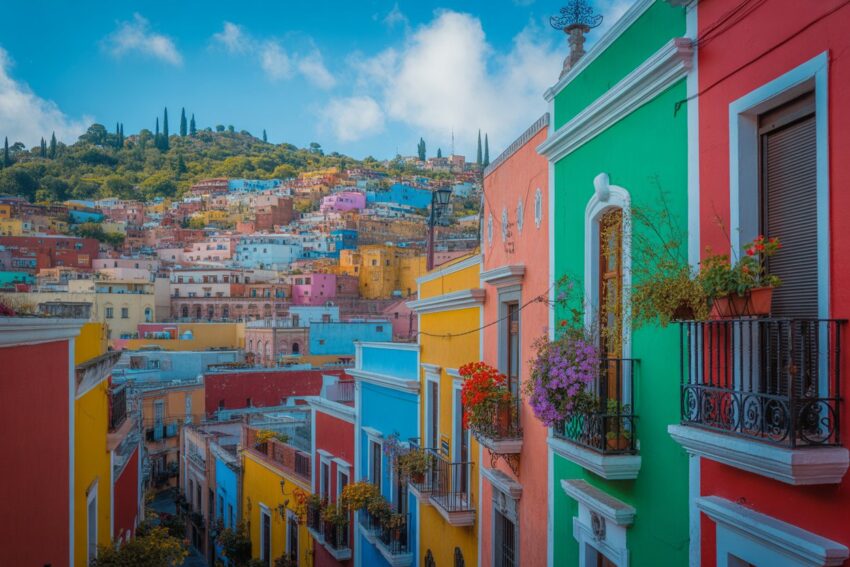
Image generated with Ai
Which Regions and States Are Leading Mexico’s Tourism Investment Strategy?
Several regions are leading Mexico’s tourism investment strategy. Nayarit receives the largest share at 25%, focusing on sustainable destination development. Guerrero and Hidalgo each receive 11%, targeting infrastructure and cultural tourism. Jalisco focuses on World Cup preparation and secondary routes. Quintana Roo drives luxury tourism expansion. Meanwhile, Nuevo León prioritises infrastructure, safety and environmental initiatives. Consequently, investment is geographically diverse. This ensures balanced national growth.
Mexico tourism boom driven by the $22 billion portfolio and shared prosperity model is rooted in strategic investment and inclusive growth. The cause lies in the need to strengthen global ranking and economic impact. The answer is large-scale infrastructure development and community-focused policies. The reason is rising global demand for culturally rich and diverse destinations. Therefore, Mexico is transforming its tourism landscape. Growth is becoming more balanced and sustainable. Consequently, Mexico tourism boom, $22 billion portfolio and shared prosperity model drive growth effectively, positioning the country to achieve its ambition of becoming the fifth most-visited destination by 2030.
Advertisement
Advertisement
Advertisement
Advertisement
