
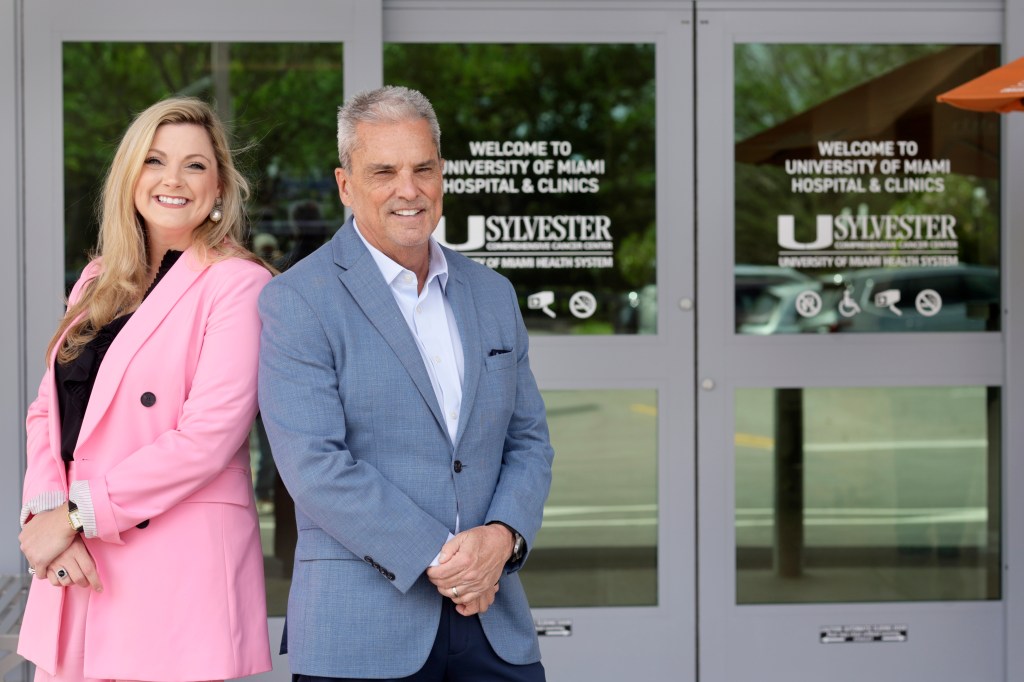
Amanda Millman knows who to call when someone receives a breast cancer diagnosis and needs an appointment as soon as possible. She also knows how to cut through the long wait times to see a specialist or how to get prior authorization for surgery.
A year ago, Millman combined her hospitality background with her medical experience to create a South Florida business that navigates and advocates for people in need of health services.
In Florida’s complex and frustrating health care environment, a profession has cropped up of people who work independently on behalf of clients to coordinate their medical care.
“Most people don’t know someone like me exists,” said Millman, founder of South Florida’s Hospitality Health.
While working in business development at Memorial Healthcare System, Millman said she would get calls from friends asking her to recommend doctors and help them get appointments. Her father was the CEO of Memorial South and she had come to know a lot about health care. The idea for her business came from recognizing a need.
“I saw that people needed help accessing the right doctors,” she said.
Millman said she recently had a client who was a breast cancer survivor and received suspicious findings on a screening. “She had tried to get in and was told she would have to wait eight weeks for a mammogram. I called on a Saturday and she was seen on Tuesday.”
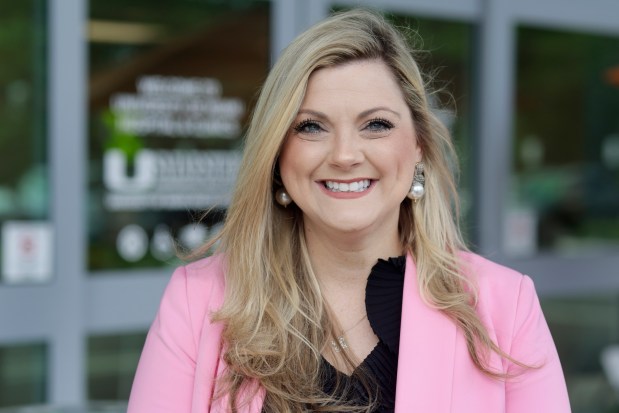 Amanda Millman, founder of South Florida’s Hospitality Health, combined her hospitality background with her medical experience to create a business that navigates and advocates for people in need of health services. (Mike Stocker/South Florida Sun Sentinel)
The profession is taking off
Over the last decade, especially after the pandemic, the field of health care advocacy has evolved to encompass various services that help patients and families navigate the complicated, expensive medical landscape. Each independent advocate works differently, doing anything from helping people figure out how to take the next steps after a diagnosis to battling with insurance companies to getting patients in quickly for a test or a second opinion.
It’s a service Stuart Kaufman, a Plantation attorney, saw the benefit of when diagnosed with cancer. He hired Millman’s Hospitality Health just weeks after his diagnosis, learning about it from a friend.
“While I went through chemotherapy and radiation — seven rounds of chemo, 35 rounds of radiation — she helped me with everything on the scheduling side,” Kaufman said. “If I wanted something rescheduled, she was the point of contact rather than them contacting me. She took all the calls and made all the calls to any insurance providers to make sure I had coverage for everything. She took all the weight off of me so I could just concentrate on my treatment and recovery.”
Kaufman said Millman went with him to his first chemotherapy appointment and his last radiation treatment. He retained her services on a monthly basis and used her services until a couple of months after his last treatment to handle all the insurance paperwork. “She put in for any type of reimbursement that I wasn’t getting,” he said. “She took all of that off my plate so I could just concentrate on really what was the most important thing.”
Identifying the same patient need as Millman, Tammy Krack started Blessed Advocacy in Orlando.
“Our health care system is crazy to navigate and it’s getting even crazier,” Krack said. “This business is all private pay, but some people can’t afford not to have help, whether it be me or anybody else.”
A former nurse of 20 years, Krack said she schedules doctors’ appointments for patients and coordinates care among multiple specialists. She has helped clients find alternative holistic treatments, attended their doctors’ appointments, and handled all follow-up care. She has found that the doctors understand why she accompanies patients, and seem to like it. “They know someone is listening and going to follow through.”
Krack said she started her business in 2018 after helping her brother navigate through cancer treatment. She has watched the profession evolve and grow. “Every client is different. Every situation is different. So, I’m always learning new things.” Krack is part of a nationwide network of patient advocates. “That helps because we ask each other questions and learn from each other.”
Hospital-based patient advocates, what’s the difference?
Over time, hospitals and clinics have begun hiring clinically trained patient navigators to manage patients’ needs within their health systems and support discharge planning. Navigators in the hospital do administrative tasks like help a patient set up an appointment, send in orders for diagnostic imaging, or refill prescriptions. Their loyalty, though, is to their employer.
Nonprofits also are using patient advocates. At Hope & Help in Central Florida, a clinic and pharmacy servicing low-income individuals, patient assistants and patient navigators speak multiple languages. About 15 of them work for the nonprofit and guide patients to better health outcomes. They help patients make appointments within the clinic and with partners and specialists in other health systems. They also help patients access health benefits and get medications delivered — all free of charge. “Just becoming a client of ours or a patient of ours opens up all of those resources for you,” said Hope & Help CEO Thresa Giles.
When it comes to private advocacy, there is no single business model or list of services, said Elisabeth Schuler, founder of Patient Navigator, a Virginia-based patient advocacy firm and a founding member of the National Association of Healthcare Advocacy. Going by the titles of patient advocate or navigator, some professionals work only with older adults, others only with cancer patients and still others only to solve medical billing problems or handle care coordination.
One of Schuler’s staff members specializes in helping patients identify and enroll in clinical trials.
Fees can range from $50 to $400 an hour, depending on the advocate’s location, experience, and track record.
A pioneer in the field, Schuler had worked as a foreign service officer and launched her business in 1998 after her personal experience with navigating her young daughter through care for a brain stem tumor. Now she helps others navigate the medical tangle she found herself caught in and specializes in care management — getting specialists to communicate so tests aren’t duplicated and researching the best treatment options.
“When you’ve just been given a scary diagnosis, you want someone who knows the ropes, knows where the landmines are, knows how to communicate in the universe of healthcare and hospitals and can find the resources and help that you need,” she said. “People hire personal trainers. They hire coaches to help write their kids’ college applications. I think people are starting to realize that with healthcare, ‘I don’t have to do this alone. I can hire someone.”
South Florida Sun Sentinel health reporter Cindy Goodman can be reached at cgoodman@sunsentinel.com.
How to find an advocate
The National Association of Healthcare Advocacy offers a searchable directory of members on its website, as does AdvoConnection and Greater National Adocates. Patient word of mouth or personal referrals are always a good way to find a navigator as well. Some advocates may be certified by the Patient Advocate Certification Board.