
The United States is at a turning point in global energy and national security—and the Arctic is where it could be decided.
Over the past few weeks, we’ve seen just how fragile the global energy system really is. Iranian missile strikes on Qatar’s Ras Laffan LNG hub disrupted a major share of global supply almost overnight. The result wasn’t just higher prices—it was uncertainty, disruption, and a reminder that when energy supply is concentrated in the wrong places, the consequences are felt everywhere.
At times like this, countries look for partners they can rely on.
The United States can be that partner. We have the resources, the technology, and the relationships. But we also have to be willing to act—and nowhere is that more important than in the Arctic.
For a long time, the Arctic felt distant. That’s no longer the case. It’s becoming one of the most strategically important regions in the world. Russia is expanding its military and energy presence. China is investing heavily to gain access and influence. Whether we like it or not, the Arctic is becoming a place where global power is tested. (RELATED: International Energy Agency Launches Unprecedented Response To Combat Global Oil Shock)
And in that kind of environment, presence matters.
One of the most effective ways to establish that presence is through energy development. When we invest in Arctic energy, we’re not just producing fuel—we’re creating year-round activity, building infrastructure, and putting American capability on the map in a region that’s only going to grow in importance.
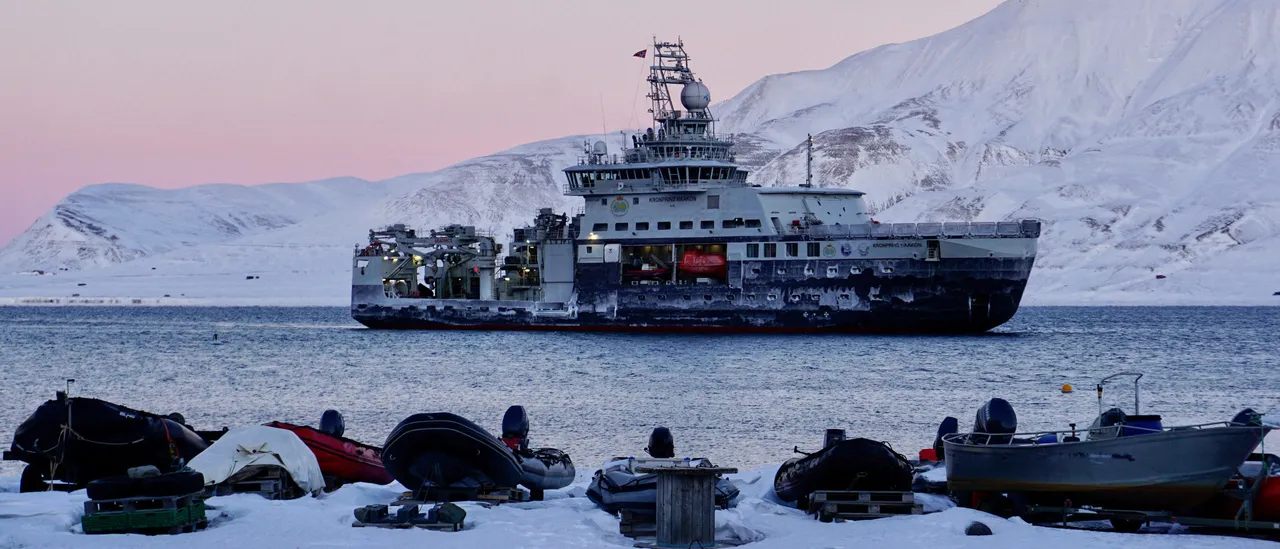
That has real, practical benefits. Ice-capable vessels, ports, and logistics networks don’t just serve industry—they support the Coast Guard, improve emergency response, and make it easier to operate in some of the toughest conditions on earth. These are assets that strengthen both our economy and our national security.
There’s also a bigger picture. Our allies—especially in Europe and the Indo-Pacific—are looking for reliable energy from countries they trust. When the United States supplies that energy, we’re not just filling a gap. We’re strengthening alliances and reducing dependence on less stable or less friendly sources. (RELATED: Europe Leaving America In Dust After Years Of Being Beholden To China)
But here’s the reality: timing matters.
In global LNG markets, the projects that move first lock in customers and define supply relationships for decades. If we move too slowly, others will step in. And once those relationships are set, it’s hard to change them.
That’s why projects like Polar LNG are so important.
Polar LNG takes a different approach. Instead of relying on massive, long-lead infrastructure, it uses a modular, near-shore design that builds on what already exists at Prudhoe Bay. That means it can move faster—getting Alaska’s natural gas to market sooner, when demand is high and the opportunity is real. At the same time Polar LNG is not in competition with other solutions. It is a complementary project that enhances development opportunities.
It’s also built for the realities of the Arctic, using ice-capable carriers to operate year-round. That’s not just efficient—it’s strategic. It means a consistent American presence in a region where consistency matters. (RELATED: Iran Nearly Crippled Global Energy, But Trump Found A New Weapon)
This isn’t just about energy—it’s about whether the United States leads in the Arctic or allows others to define its future.
We have everything we need to lead: resources, technology, and partners who want to work with us.
What we need now is urgency—and the willingness to act on it.
Because in the Arctic, as in energy, if we don’t lead, someone else will.
Joel Riddle is the President and CEO of Polar LNG.
The views and opinions expressed in this commentary are those of the author and do not reflect the official position of the Daily Caller.