
SOUTHWEST VIRGINA (WCYB) — For many patients in Southwest Virginia, dental care isn’t just about a checkup; it’s about living without pain. However, a proposed Medicaid cap could put that care out of reach.
Former Virginia Governor Glenn Youngkin introduced a budget proposal that includes a $2,000 yearly cap on dental services for adult Medicaid recipients.
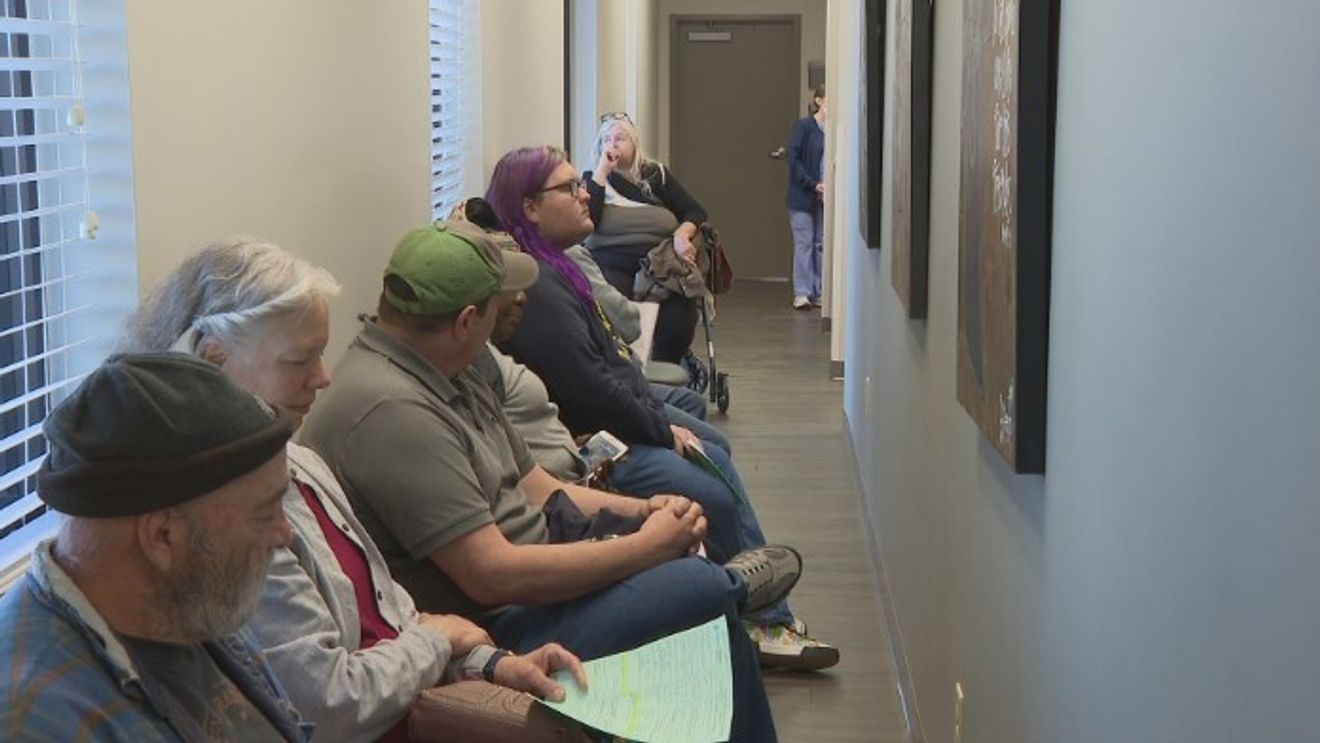
At the Appalachian Highlands Community Dental Center, Executive Director Elaine Smith tells News 5’s Yannia Nordelo that if this cap passes, it would affect thousands of people in our region.
We’re in Southwest Virginia, and opioid addiction has caused a lot of oral health issues. A lot of decay, a lot of abscess, said Smith. You can get an infection in your bloodstream, throughout your body, so yeah, I mean, it affects your overall health.
She says many procedures cost far more than the proposed cap.
For example, let’s say we have a patient who needs all their teeth extracted and they need a set of dentures; $2000 is not going to cover that fee, said Smith.
Plus, thousands are still waiting for care.
We currently have probably 3000 patients on a waitlist, said Smith.
For patients like Peter Bresko, delaying care is something he never thought he’d face.
Two thousands is a real number to me because it means that if I go over that this year, I have to either pay for it out of pocket, which I can’t afford, or hold off on my care until next year, said Bresko.
Right now, there is no cap for dental care in Virginia, but lawmakers say if they continue without the cap, it could cost the state 10 million dollars in 2027.
For Bresko, the reality is more immediate.
I may have to live with an infected tooth. I may have to get part of the work done, but then I’m not eating well, I’m living in pain, said Bresko. I have to make a choice between paying my electric bill or getting my tooth fixed, and I don’t think that’s right, I really don’t.
Bresko says he hopes lawmakers consider the human impact.
I just think that the legislature should look beyond this line item or budget and look at the people behind the policy. We need the help. Don’t cap the care, said Bresko.