
Parade Pets and Yahoo may earn commission from links in this article.
It looks peaceful, still water, and a gentle drift. Then you notice what she is holding.
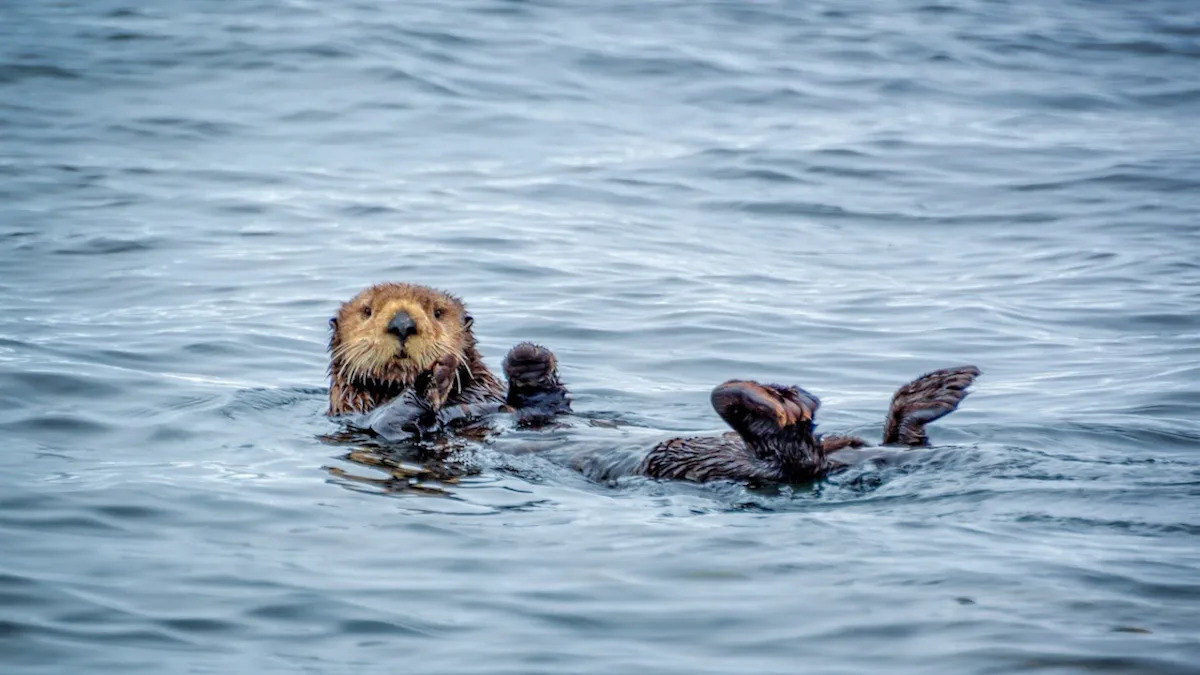
The first time you watch the video shared on Reddit‘s r/Awww of a sea otter mother with her baby, you might not even notice the offspring.
But look closely, and you will notice a mother otter, floating on her back, cradling her baby against her chest. Not loosely. Not casually. Tightly, like she knows exactly how fragile this moment is.
What Are Fans Saying about It?
Fans genuinely loved how the sea otter mother was protecting her baby. They commented things like “I would trust her with my whole existence,” “This has melted my heart,” and “The way otter mommies fuss over their babies is so freaking cute.”
And then one commenter mentioned the important date coming up in May, saying, “Happy Mother’s Day in advance.” (The United States and Canada celebrate Mother’s Day on the second Sunday of May, which this year falls on May 10.)
Related: Adorable ‘Tiny Giant’ Rhino Calf Makes Heartwarming Zoo Debut
How Mother Otters Protect Their Newborns From Day One
Sea otters spend much of their lives in the water, including raising their young. That creates a challenge most land animals never face. There is nowhere solid to rest.
At the same time, newborn otter pups are not ready for the ocean right away. Their fur is so dense that they float easily, but they lack the strength and coordination to survive on their own.
Mothers have to adapt, and they do it by floating on their backs, using their bodies as both cradle and anchor. Sometimes, they even wrap themselves in kelp to avoid drifting away while they rest with their pups.
They invest an enormous amount of energy into grooming their babies to maintain the insulating quality of their fur, all while diving for food. They have learned that holding their babies is more than affection; it is protection.
When Do Sea Otter Mothers Leave Their Babies?
After about six months, otter pups begin to develop the skills they need to survive independently. Hunting, diving and grooming all become part of their daily routine.
At some point, the mother stops carrying them. It is gradual, but clear. The pup starts to drift a little farther each day, no longer anchored to her chest. It is the natural shift from protection to independence.
Related: Adorable Newborn Cotton-Top Tamarin Steals Hearts at Blank Park Zoo
This story was originally published by Parade Pets on Apr 3, 2026, where it first appeared in the Pet News section. Add Parade Pets as a Preferred Source by clicking here.