

The post Thousands of Black Bears Are Entering Neighborhoods As Spring Begins appeared first on A-Z Animals.
Quick Take
Over 12,000 black bears are now entering residential areas in Michigan.
Bears have a long-term memory for finding food, which can attract recurring predatory visits.
Humans may inadvertently draw bears to their homes if they don’t take precautions like securing trash and fencing in livestock.
As we emerge from our cozy winter dens, excited about warmer spring weather, so too are bears coming out of hibernation. This means that conflicts between humans and bears are likely to increase soon.
North American Black Bears (Ursus americanus) are found everywhere from northern Canada to western and eastern parts of the US and into northern Mexico. As they begin to wake up, bears may wander into nearby towns, so it’s important to be prepared for such encounters.
12,000 Black Bears Are Emerging From Hibernation
Many states are already putting out spring warnings to protect and educate their communities. The Michigan Department of Natural Resources (DNR) estimates that 12,450 black bears will be emerging from their dens this spring, many with new bear cubs.
“Michigan is bear country,” Jared Duquette, human-wildlife interactions specialist for the Michigan DNR, said in a press release. “And as bears come out of their winter dens, it’s important to remember that we can live responsibly with these magnificent animals and avoid conflicts by following some basic best practices.”

Black bears are emerging from hibernation this spring.
©CSNafzger/Shutterstock.com
(CSNafzger/Shutterstock.com)
The North Carolina Wildlife Resources Commission (NCWRC) also warned its citizens to watch out for bears emerging from hibernation this spring.
Extension biologist Falyn Owens said in a press release, “This is the time of year people begin to call us about a wildlife encounter they’ve had; the weather’s nice, so both people and wildlife are out and about.”
Colorado Parks and Wildlife shared a press release in Feb. 2026, revealing that it received a total of 5,299 reports of sightings and conflicts with bears in 2025, which is 15% higher than in the previous six years. Out of these, over 57% were linked to trash, which attracted the bears.
Accidentally Attracting Bears
According to BearWise, black bears will leave their dens to stretch their legs and wander around, often feeling hungry, thirsty, and groggy. They may return to their dens to continue hibernating, or they may decide to stay awake for the season. Either way, you don’t want to get in their way when they are looking for sustenance after a long winter.
You may not intend to attract bears to your home, but there are many things humans inadvertently do that can draw them into our neighborhoods.
For example, because bears have an excellent sense of smell and memory, they can smell food from a mile away and remember where they found the food — from bird feeders to backyard grills — for years, returning again and again to find more. Even if you no longer have food outside, bears that associate a neighborhood with food are more likely to keep returning and may even break into homes in search of more.
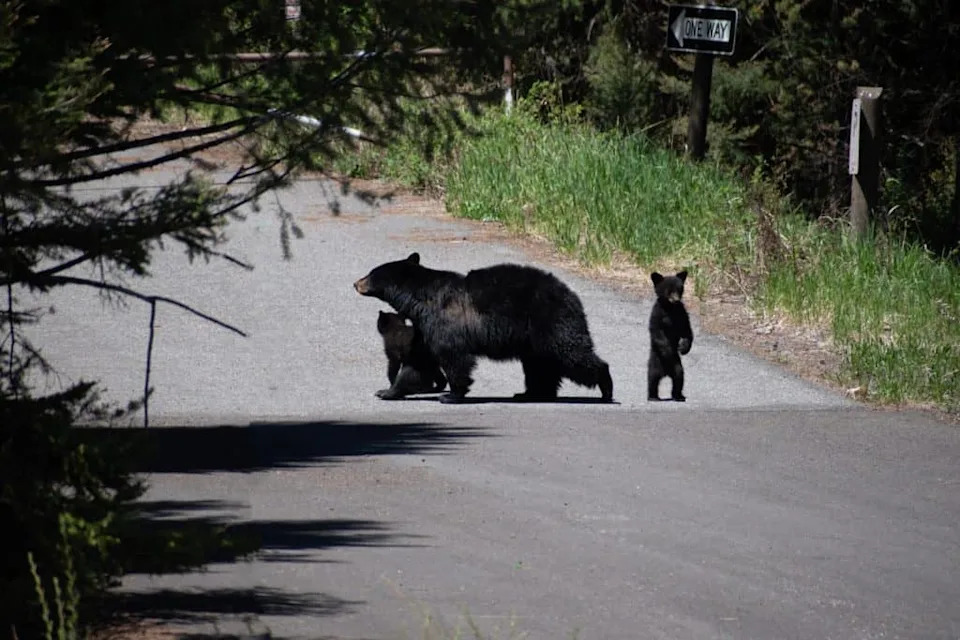
Never come between a bear cub and its mother, as the mother’s protective instincts can be dangerous.
©JMP_Traveler/Shutterstock.com
(JMP_Traveler/Shutterstock.com)
If you live in an area with a high bear population, there are several precautions you can take to protect yourself (and the bears who live nearby) from harm.
“Take down bird feeders, especially in the spring and summer, clean grills after use, don’t leave pet food outside and wait until collection day to put your trash out,” Duquette warned in the press release. You can also use bear-resistant trash bins to deter bears.
BearWise also recommends deep-cleaning your vehicles to ensure you don’t leave behind any trash or food that bears could smell; protecting your chickens and small livestock; putting up an electric fence or netting around beehives; and storing pet food in bear-resistant containers.
Fierce Mama Bears
Bears with new cubs may be more protective than usual (the “mama bear” stereotype exists for a reason!). Do not approach, feed, or touch a bear cub, as the mother may react aggressively if she perceives her cub is in danger.
Mother bears may charge at humans to protect their cubs, fighting fiercely and risking their own lives. They will not hesitate to attack if they perceive a threat to their young. The best thing to do is leave the area quietly and as quickly as possible if you happen upon a bear cub.
Carrying bear spray is also recommended. If you do encounter a bear, don’t look it in the eyes and back away slowly to avoid appearing as a threat. You can also report bear sightings to your local wildlife department.
The post Thousands of Black Bears Are Entering Neighborhoods As Spring Begins appeared first on A-Z Animals.