
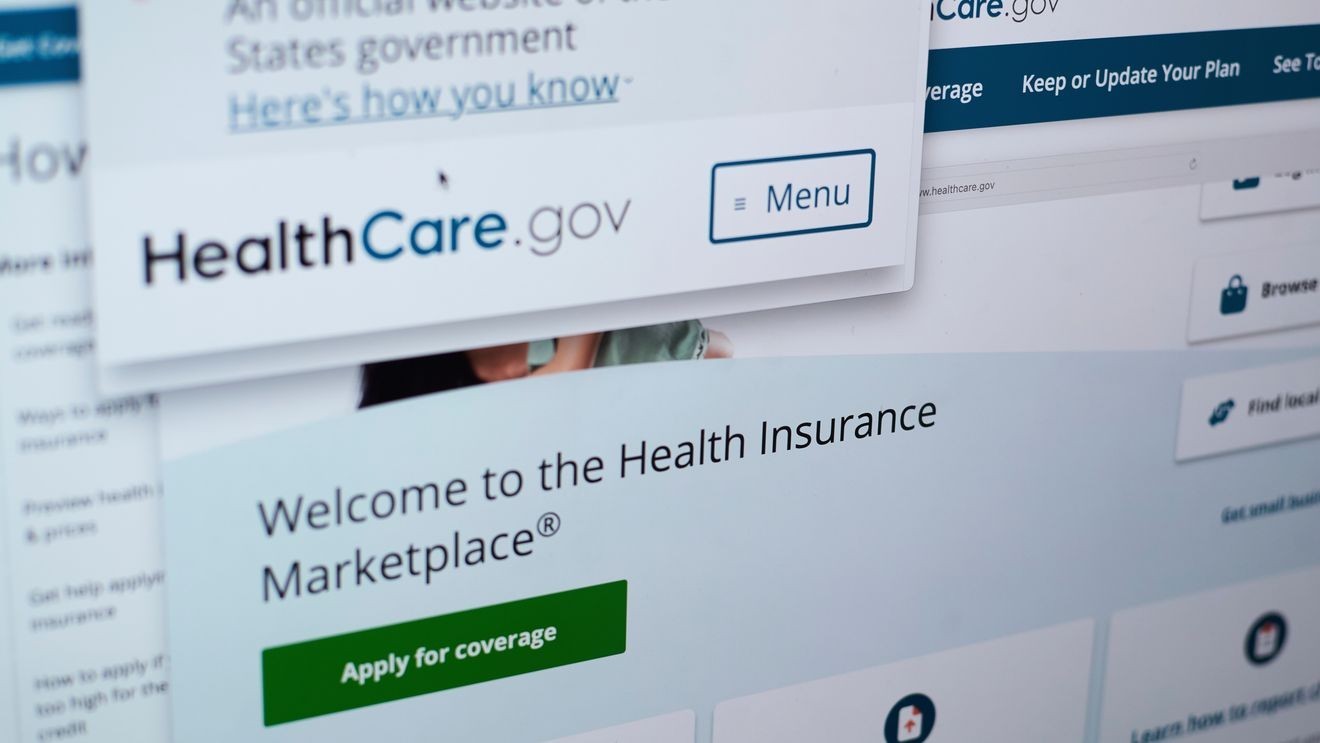
SEATTLE — Thousands of people across the state are dropping their health insurance amid spiking costs, according to the latest available data from the Washington Health Benefit Exchange, which runs the state’s health insurance marketplace.
This comes after changing federal policies and the expiration of pandemic-era tax credits that helped lower premiums for plans through the Affordable Care Act.
RELATED | Tens of thousands of Washingtonians could soon be in healthcare limbo
“We’re seeing a growing healthcare affordability crisis in Washington and around the country,” Northwest Health Law Advocates Co-Executive Director Emily Brice told KOMO News.
The WHBE reports that approximately 28,000 people in Washington who buy their insurance plans, with the help of subsidies, cancelled their plans. That’s 8,000 more cancellations than a year earlier.
Another 61,000 customers switched plans because of rising costs, due in part to federal policy changes and the cancellation of Affordable Care Act premium tax credits.
“This is a population that has a very unsteady income year-to-year. This is a group that over half of whom are self-employed and part of the gig economy or work for a small business,” stated policy analyst Matt McGough with KFF, a nonpartisan health policy research and polling organization.
McGough said people, on average, are paying $1,000 more toward their health insurance premiums on the ACA marketplace this year compared to 2025.
U.S. Rep. Pramila Jayapal is among the lawmakers pushing to bring back the subsidies. In 2025, she introduced the Medicaid for All Act to replace private insurance, and it remains in committee.
The Northwest Health Law Advocates say some people who disenrolled from coverage are likely to try to find care through safety net providers, community health centers, and hospital emergency rooms. Brice notes that this could lead to a much broader impact on the health system and more Washington families.
“It puts strain on our resources collectively and ultimately will increase healthcare costs overall,” Brice added.
The health law advocates are hoping state lawmakers in 2027 consider legislation that would significantly drop the medical debt interest rate, from 9% to 1%, as one short-term solution to cut costs.