
The post The Lakes with the Most Crocodiles in North and South America appeared first on A-Z Animals.
Quick Take
Swimming is prohibited at the Flamingo Marina in Everglades National Park because of crocodiles.
Some crocodiles have adapted to hypersaline water to survive.
The Panama Canal is home to a surprising number of crocodiles, even in its busiest ports.
It’s estimated that between 1,500 and 2,000 crocodiles currently live in Florida, with even more found throughout South America. While there’s no definitive number for each habitat, there’s one thing all of these crocs have in common: their love for lakes.
Crocodilian-infested lakes in the Americas, particularly those with caimans, are home to thousands or even millions of individuals. What’s even more astounding is that many of these lakes are used for recreation. A crocodile could be swimming just beneath unsuspecting swimmers without anyone ever realizing it.
Everglades National Park, Florida
Roughly one million people visit Everglades National Park each year. Many of these hikers run into crocodiles entirely by accident. Crocodile activity is so prevalent in some parts of the park that certain waterways, such as the Flamingo Marina, prohibit recreational swimming.
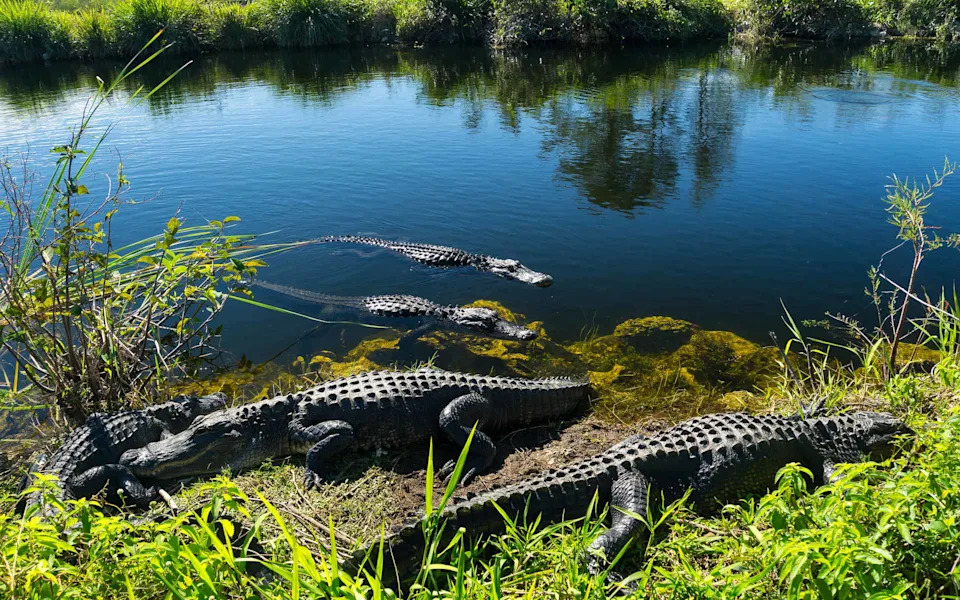
Crocodiles can often be found basking in shallow marshlands throughout Everglades National Park.
©Simon Dux/iStock via Getty Images
Since crocodiles prefer saltwater, it is not uncommon to see them in the areas surrounding Flamingo Marina. They rarely come far enough onto land to pose a danger to humans; however, hikers should remain vigilant.
Lago Enriquillo, Dominican Republic
The largest crocodile population in the Caribbean is found in Lago Enriquillo. This lake is well known in the Dominican Republic as a crocodile haven. The species living in these waters have evolved adaptations to survive these extremely salty conditions. Thankfully, this salinity level also prevents the lake from being a recreational spot for humans.
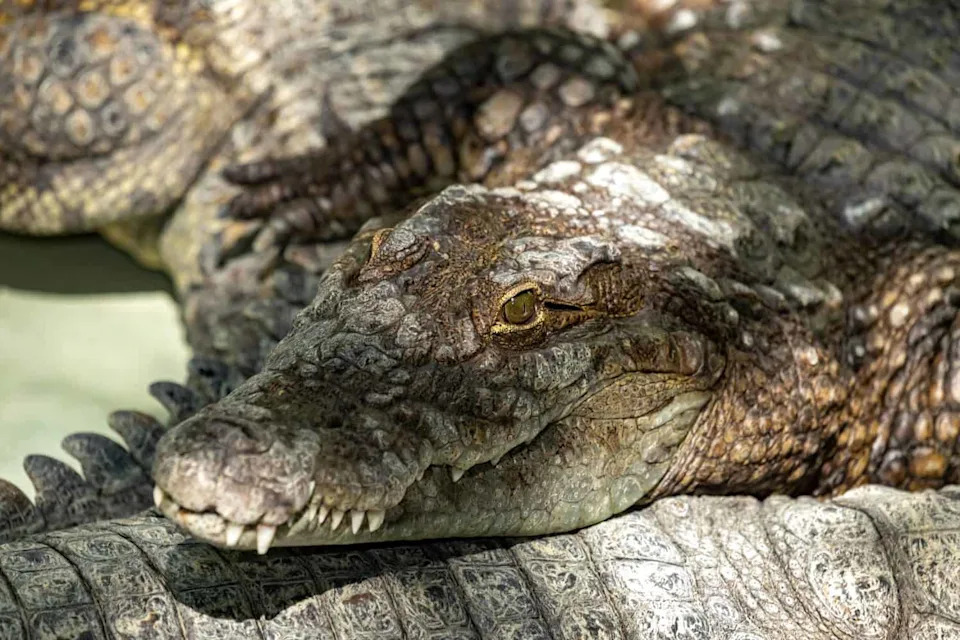
Less aggressive does not mean non-aggressive.
©Pavel Filatov/Shutterstock.com
It is, however, a popular tourist spot for those looking to observe the crocs in their natural habitat. Unlike the more aggressive Nile crocodile, the crocodiles living in Lago Enriquillo are often shy and tend to flee when humans are nearby.
Pantanal, Brazil
The largest population of yacare caimans is found in the Pantanal. This area plays host to millions of them, which often sunbathe on hot days. They gather on the shoreline from June through October, which is also peak tourist season.
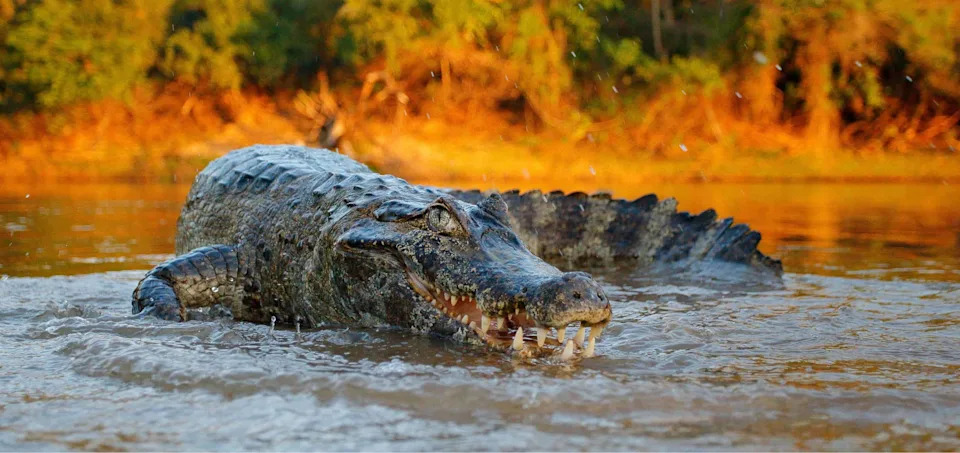
Yacare caimans have unique features, such as their large eyes.
©Ondrej Prosicky/Shutterstock.com
Despite their large numbers, the yacare caiman’s natural enemy is the jaguar. They are hunted while vulnerable on shore, meaning visitors must be vigilant of both predators. Locals emphasize extreme caution when swimming in the Pantanal. If it is not the crocs, it is the piranhas swimming alongside them that pose a threat to unsuspecting swimmers.
Lake Azuéi, Haiti
The crocodiles found in Lake Azuéi are some of the largest in Haiti. Historical estimates ranged from 160 to 400 individuals, but the current population is uncertain. The lake acts as a protective habitat for the crocodiles, keeping them far from human activity.
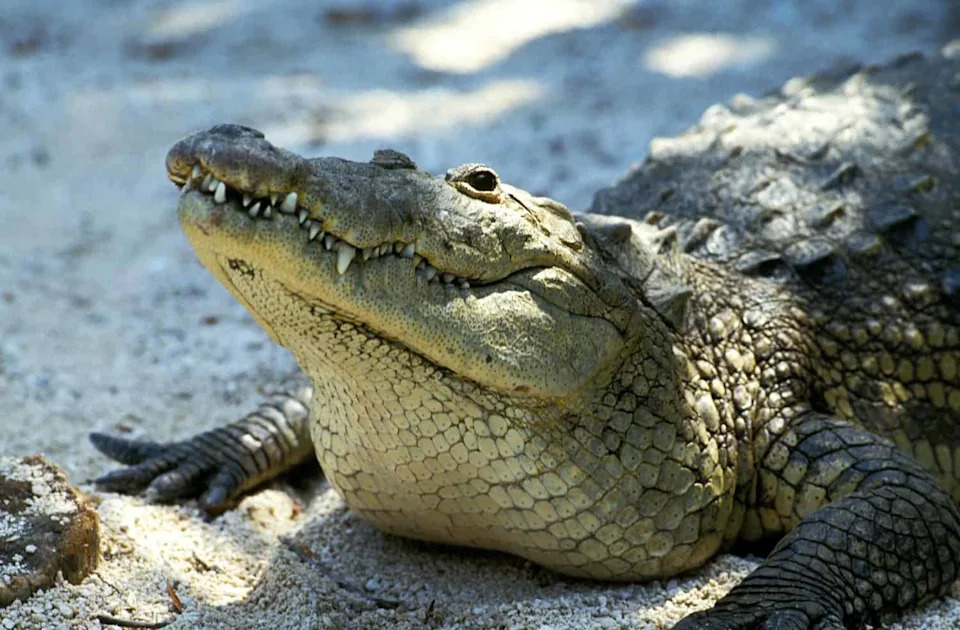
Haiti’s crocodiles are a large draw for people interested in eco-tourism.
©slowmotiongli/Shutterstock.com
However, their presence does spook some tourists, especially those exploring Haiti’s less developed areas. Some experts claim that the sheer number of American crocodiles inhabiting the lake also prevents it from being developed for any future ecotourism projects.
Panama Canal, Panama
American crocodiles also inhabit the Panama Canal and its surrounding lakes. As a result, swimming is strictly prohibited. The waters of the Panama Canal are considered dangerous for most recreation except boating.
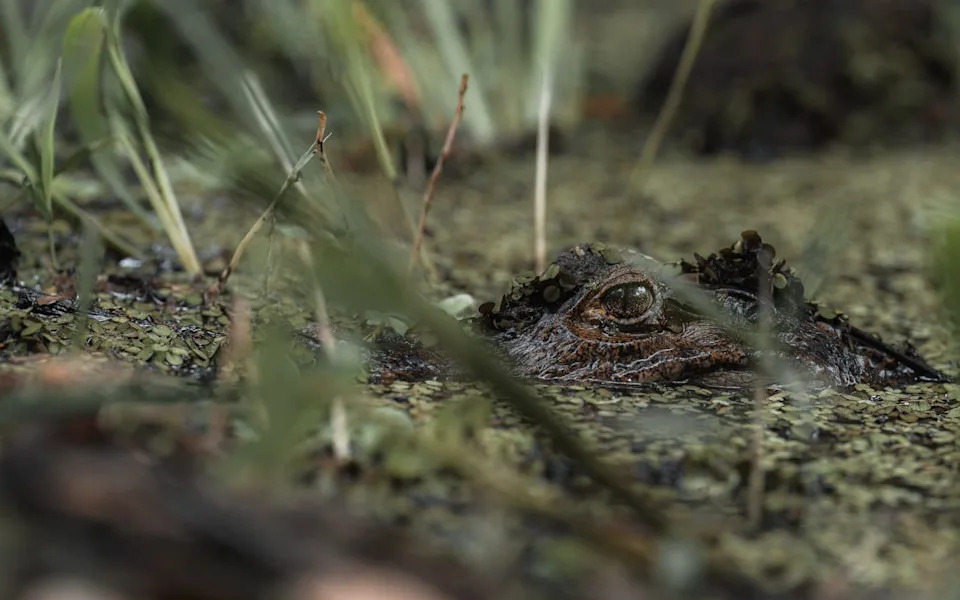
Crocodiles in the Panama Canal are surprisingly adaptable.
©Albert Casals/Shutterstock.com
Crocodiles are present even in the busiest parts of the canal, and boat crews see them regularly. While sometimes spooked by human activity, they remain the top predator in Panama’s waters. Gatun Lake, ironically a man-made reservoir, is known for its notable population of American crocodiles.
The post The Lakes with the Most Crocodiles in North and South America appeared first on A-Z Animals.