
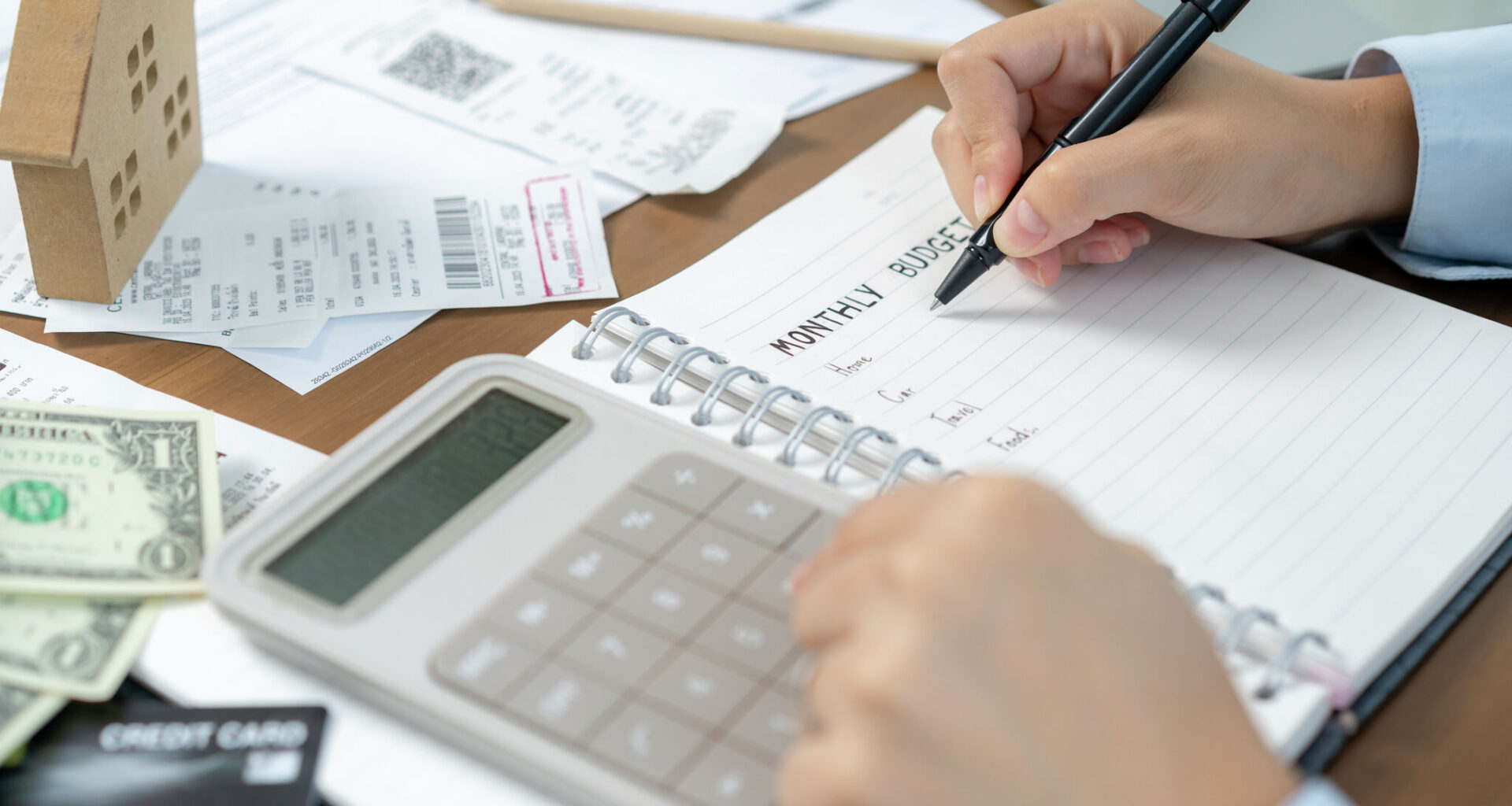
Residents in the Capital Region show a range of budgeting performance, with folks in Saratoga County ranking among the best budgeters in the area.
Virojt Changyencham/Getty Images
Creating a household budget is about as exciting as doing your taxes or cleaning out the garage, yet it’s one of the most effective ways to stay on top of your money. From covering monthly bills to building emergency savings, a solid budget can mean the difference between financial stress and stability.

But not everyone approaches budgeting the same way. In some parts of the country, residents appear to be doing it better than others. To identify the best budgeters, WalletHub analyzed 2,830 U.S. counties using two main categories: savings and financial assets and debt and delinquencies.
Article continues below this ad
Each category accounted for half of a county’s total score and was measured using 11 indicators, including rates of unbanked and underbanked households, asset and liquid-asset poverty, and the share of households with no net worth.
The analysis also factored in financial stress indicators such as bankruptcy and foreclosure rates, student loan payments and defaults, and credit card and auto loan delinquencies. Each metric was scored on a 100-point scale, then weighted and combined to produce an overall score used to rank counties.
According to the report, the nation’s strongest budgeters are concentrated in Los Alamos County, N.M., and in Colorado’s Clear Creek and Gilpin counties. Meanwhile, the lowest-ranked counties are largely located in Virginia, Mississippi, Alabama and Louisiana.
Make the Times Union a Preferred Source on Google to see more of our journalism when you search.
Add Preferred Source
Residents in the Capital Region show a range of budgeting performance. Saratoga County ranks in the 91st percentile — meaning it outperforms about 9 out of 10 counties nationwide — reflecting strong savings, healthy assets, and low debt delinquency. Rensselaer County is also strong, in the 75th percentile, placing it among the top quarter of U.S. counties. Schenectady County performs slightly above average, outpacing 57% of the country, while Albany County ranks just below that at the 47th percentile. Despite being the lowest in the region, Albany still demonstrates relatively balanced results across savings, financial assets and debt measures.
Article continues below this ad
Elsewhere in New York, Queens County and New York County (Manhattan) ranked among the lowest in the state, suggesting greater financial strain in those areas. Lower rankings are typically tied to higher rates of debt delinquency, fewer liquid assets and a larger share of households without sufficient financial cushions to weather emergencies.
These financial pressures underscore why strong budgeting skills are more important than ever, says WalletHub analyst Chip Lupo.
“Although inflation has continued easing from its earlier peaks over the past few years, price growth has remained moderate in recent months, and many Americans are still struggling financially,” says Lupo. “As a result, it’s extremely important to have good budgeting skills in order to make sure all your essential expenses get paid while still leaving room for saving, debt payoff and at least a few ‘wants’ to maintain your mental health.”
If you’re ready to improve your county’s ranking and take control of your finances, here are some practical budgeting tips, courtesy of WalletHub.
Article continues below this ad
Plan things out
If you take the time to draw up a detailed plan, your odds of sticking to it will increase. Before you start, be sure to familiarize yourself with the basic process of making a budget, including gathering information about your finances, setting long-term goals, ordering your expenses by priority and assigning them an appropriate amount of your income. The better you understand the importance of budgeting, the more you’ll be able to improve your credit score, avoid overspending, and prepare yourself for the future.
Leverage free budgeting tools
There are some great free budgeting tools online that can help you build your perfect budget using a variety of templates. Sometimes, these tools can even sync with your accounts to automatically track your spending and make it much easier to see your progress.
Article continues below this ad
Try different budgeting strategies
Different budgeting methods work best for different people. For example, you might want a budget that focuses on making sure every dollar is assigned to something specific (zero-based budgeting), one that sets specific percentages for needs, wants and savings (such as the 50/30/20 budget rule), or one that sets strict limits on individual spending categories (envelope method). You may need to try out a few types before deciding what works best for you.
Prioritize the right things
By signing up, you agree to our Terms Of Use and acknowledge that your information will be used as described in our Privacy Policy.
Your first priority should be making payments on your debts. Next, you should focus on paying your essential monthly expenses and saving money for the future. Once you’ve put money toward all of those things, you can set some aside for “wants.”
Article continues below this ad
Stick to your budget
The best way to track your progress is to sync your bank accounts and credit cards to a budgeting app so you can easily see changes day by day. It’s also good to remind yourself of your long-term budgeting goals often by having them written down in a prominent place. You can ask a friend or family member to help keep you accountable, too!