
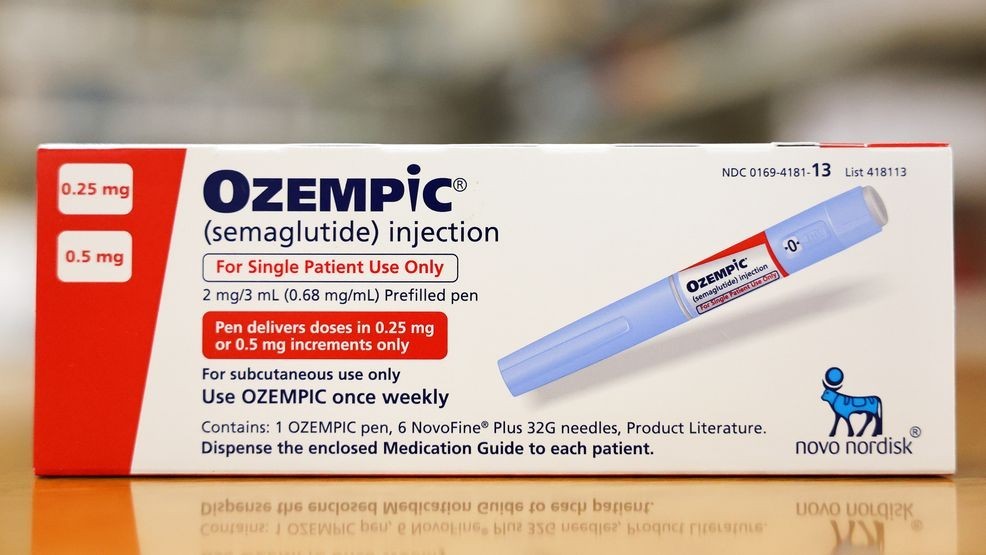
WASHINGTON (TNND) — The popularity of GLP-1 weight loss drugs—like Ozempic and Mounjaro—is having surprising effects beyond individual health. Farmers, food suppliers, and restaurants are now feeling the ripple effects of changing appetites and portion sizes across the country. With one in eight Americans using GLP-1 drugs by 2025, these shifts are likely to continue affecting both farmers and the broader food industry in significant ways.
GLP-1 drugs reduce appetite, which is changing the way people buy and consume food. This has led to a drop in demand for staple crops, especially high-volume items like potatoes and other produce.
One farmer told Fox News that he currently has 1.3 million pounds of potatoes at risk of being dumped, valued at roughly $158,000. Surpluses are forcing farmers to make tough decisions as buyers shrink, leaving some crops unsold.
As more people use GLP-1s, they’re simply buying and eating less food. That’s leading to a drop in demand, especially for high-volume staples. This is rippling through the entire food supply chain.
The Ripple Effect on Restaurants and the Food Industry
The trend isn’t limited to farms. Restaurants and food companies are noticing customers opting for smaller portions or nutrient-dense meals tailored to GLP-1 users.
High-profile chains—including Cuba Libre, Olive Garden, The Cheesecake Factory, and Chipotle—have begun offering GLP-1-friendly menus. These focus on smaller portions, high-quality proteins, and fiber-rich plants, while limiting fried foods, refined carbs, rich sauces, and ultra-processed items.
Scientists explain that GLP-1 drugs alter “food noise” in the brain, affecting how hunger and satisfaction signals are processed. They act through multiple mechanisms:
Delayed gastric emptying, which slows the release of food from the stomach to the small intestine.
Blood sugar regulation, via insulin release from the pancreas, which can also alter sugar cravings.
These physiological changes mean consumers are not only eating less but also choosing foods differently, favoring nutrient-dense meals.
Restaurants and food companies are adjusting, but it’s a challenge. Reduced consumption means potential revenue losses, and while GLP-1 menus help, they can only partially offset the impact. There’s no hard data yet on how much revenue restaurants are losing due to GLP-1s, but if the trend continues, it could force an already struggling industry to adapt in real time.