

By Chris Snellgrove
| Published 22 seconds ago
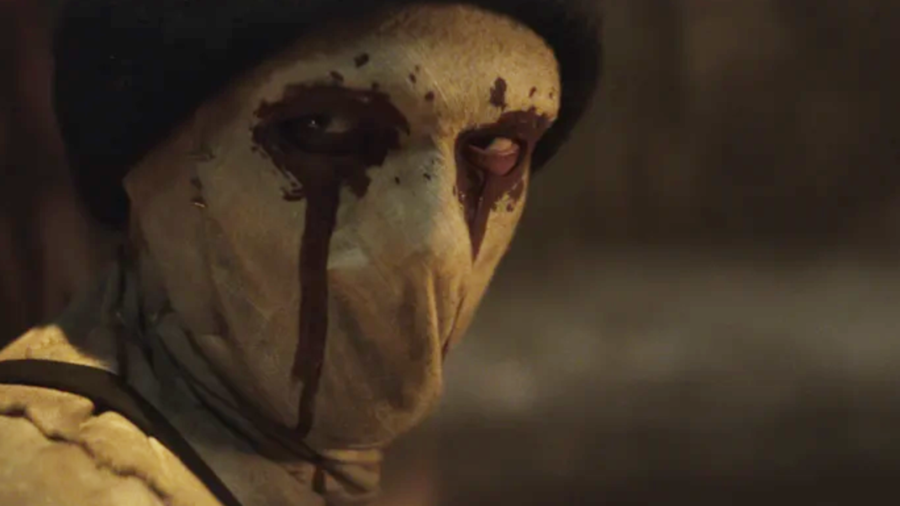
Like many fans, I burned out on the Marvel Cinematic Universe after 2019’s Avengers: Endgame. That film felt like the natural culmination and conclusion of something the franchise had been building toward since 2008. After losing their glorious purpose, though, Kevin Feige and crew have seemingly been stuck going through the motions. Marvel movies have become tired and predictable, and superhero fatigue has set in as fans realize that the same generic storytelling blueprint is being used film after film. The Marvel TV shows on Disney+ are even worse, with most of them feeling like homework for a class that general audiences have long since dropped out of.
Because of this, I hesitated to watch Daredevil: Born Again, and I feared that Disney would completely neuter everything that made the earlier Daredevil series on Netflix so compelling. However, the news that Krysten Ritter would be reprising Jessica Jones (one of my favorite characters long before she joined the MCU) for Season 2 made me cave in and watch the new show. To my shock, I really loved the first season, in large part because it felt like nothing else in today’s superhero media. That’s when it hit me: Daredevil: Born Again is successful specifically because it breaks all the storytelling rules of modern Marvel media.
Not Exactly Kid-Friendly
Modern Marvel media has often tried to walk a tightrope between appealing to adults and appealing to the youngsters they are trying to sell toys to. The Thunderbolts is a great example of this. As a movie where the real Big Bad is crippling, soul-destroying depression, this film has a core message that an older audience can really vibe with. Because it’s meant to be a blockbuster superhero movie, though, we also have to get a steady stream of bad jokes, most of them courtesy of David Harbour’s insanely over-the-top Red Guardian character.
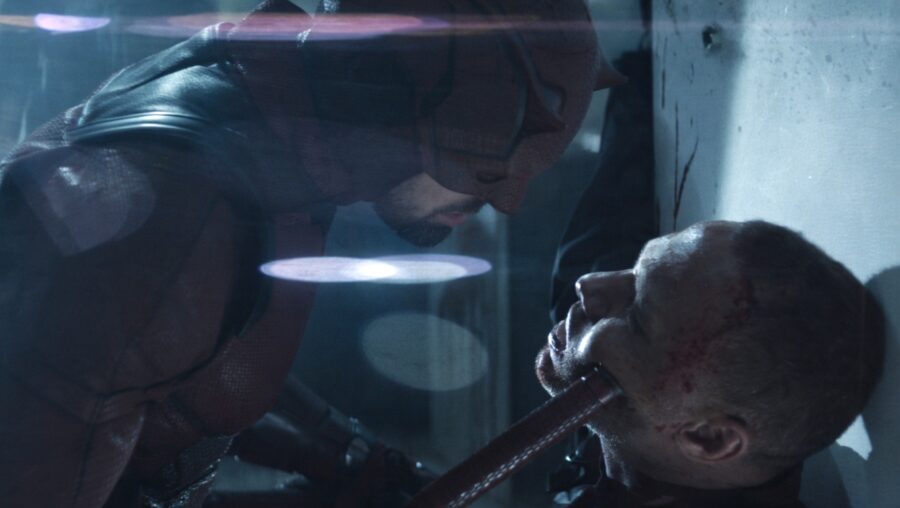
Daredevil: Born Again embraces its TV-MA rating to tell a story by adults and for adults. There’s no real push to sell toys (or, for that matter, Marvel Rivals skins), so the writers can focus on telling a story that is centered on trauma. The first episode begins with one of Matt Murdock’s closest friends getting shot by Bullseye, leading to the show’s first real balls-to-the-wall action scene. When he hears that friend’s heartbeat stop, Matt does two things that once seemed impossible: he tries to kill the attacker and subsequently hangs up the horns for good.
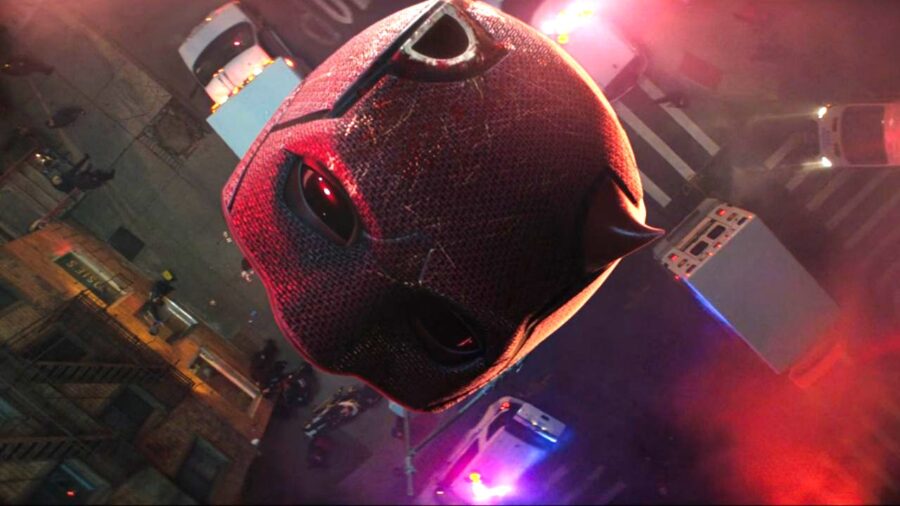
The story that unfolds doesn’t feature any Spider-Man-like quips from our hero. For that matter, nobody utters any of those Whedon-esque lines like “Well, that just happened.” Instead, the narrative focuses on the guilt that our protagonist feels over his life as a superhero, ultimately getting his best friend murdered by a costumed villain. Everything (including a horrifically honest portrayal of police brutality and a serial killer subplot straight out of Hannibal) feels refreshingly mature. The TV-MA rating isn’t just about letting Daredevil drop f-bombs. Instead, it’s a license to, like the earlier Marvel shows on Netflix, return to telling rich stories rather than selling cheap toys.
The Return Of The King
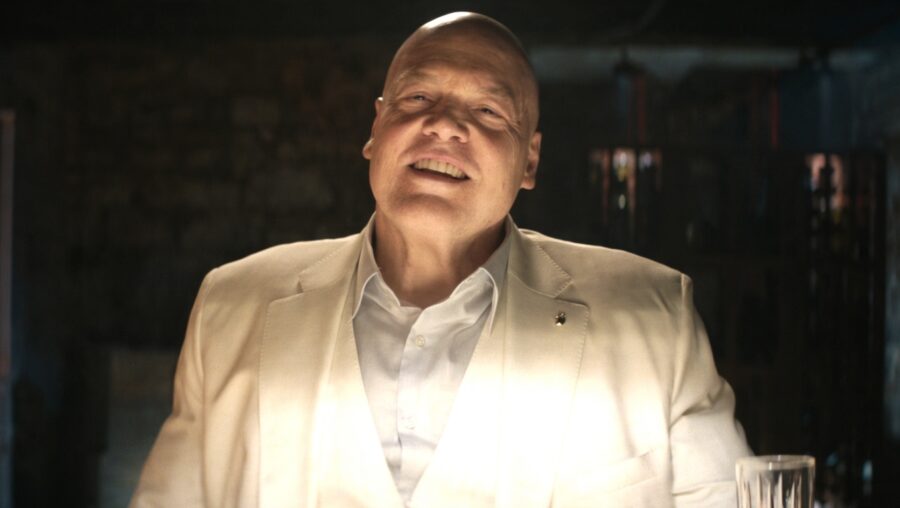
Unsurprisingly, Charlie Cox does an amazing job as the titular hero of Daredevil: Born Again, and he injects his tortured character with so much pathos that you’ll stay invested in his every move, whether he makes them in a courtroom or on a rooftop. But the primary reason to watch this show is the triumphant return of Vincent D’Onofrio as Wilson Fisk, better known to friends and foes alike as the Kingpin of Crime. In the original Daredevil show, the actor pulled off the impossible by showing us tantalizing glimpses of the vulnerability hidden behind Fisk’s mask of violence and domination. Incredibly, he doubles down on all of this with his showstopping Born Again performance.
In this newer show, Kingpin becomes the mayor of New York City in an attempt to improve lives, but he can’t shake the criminal nature that made him infamous in the first place. D’Onofrio helps to sell the fact that his character does not see this as a contradiction or a sign of hypocrisy. Rather, he sees a city spiralling into chaos, and he believes costumed vigilantes are a symptom of the larger problem rather than a solution. Accordingly, he runs the city with the same ruthlessness that he ran his criminal empire, with the ultimate goal of restoring order.
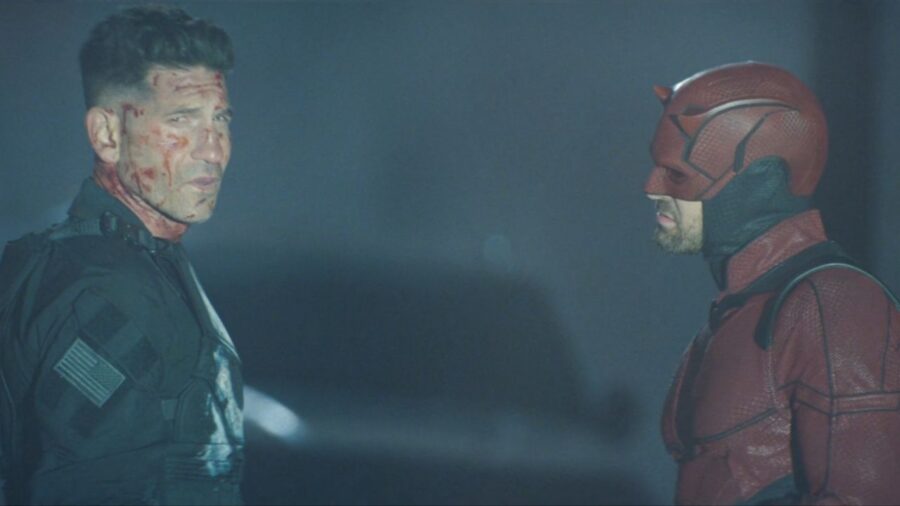
Daredevil: Born Again’s ambitious plot works on several levels, with Kingpin’s government (complete with ICE-like enforcers) serving as a clear parallel to Donald Trump’s government. Thanks to D’Onofrio’s performance, though, Kingpin always comes across as a complex character rather than a political parody, which gives all of this strident social commentary a downright electrifying frisson of tension. As with Cox, D’Onofrio isn’t here to sell toys, and he’s not here to be a mustache-twirling farce. Unlike most Marvel villains, he’s in this show to illustrate how the banality of evil will always be wrapped in a cult of personality and the best suits that money can buy.
Law & Order: MCU
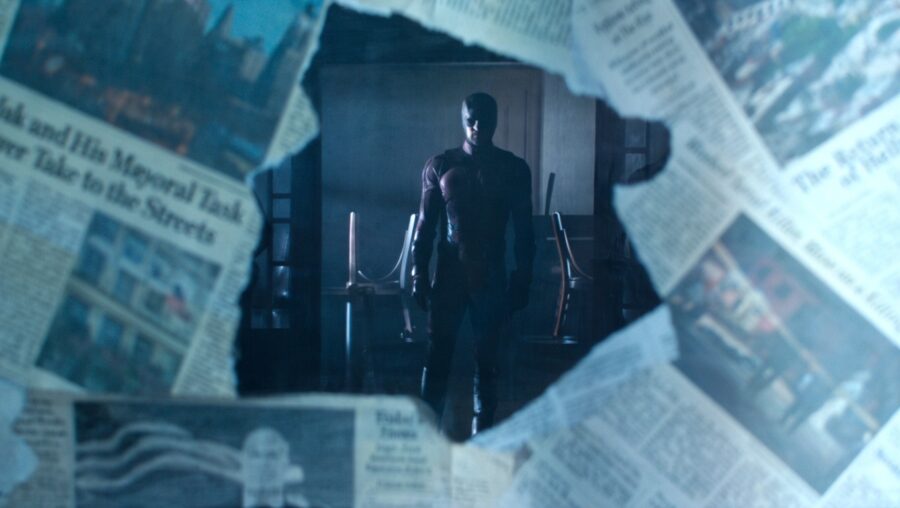
Aside from his fun cameo in Spider-Man: No Way Home, Charlie Cox’s most substantial Marvel role before Born Again was his cameo in She-Hulk: Attorney at Law. That series did a good job at bringing the funny, and its lighthearted approach to storytelling (despite what the haters would tell you) often felt like a breath of fresh air. However, She-Hulk suffered in one major regard: its courtroom scenes. It was a show about a lawyer-turned-superhero, and unfortunately, nobody involved with the show could write a compelling courtroom scene if their lives depended on it.
Fortunately, Daredevil: Born Again delivers an ongoing legal plot (Matt Murdock must defend a costumed vigilante accused of killing a corrupt cop) worthy of the best Law & Order episode. This plot drives many of our heroes’ actions and makes for one of the most compelling aspects of Season 1. It felt like a magic trick, really. In a season that brought back both Jon Bernthal’s Punisher and the franchise’s killer action scenes, nothing kept me on the edge of my seat more than when I was waiting for the jury’s verdict with bated breath.
Forgive Marvel, For They Have Sinned
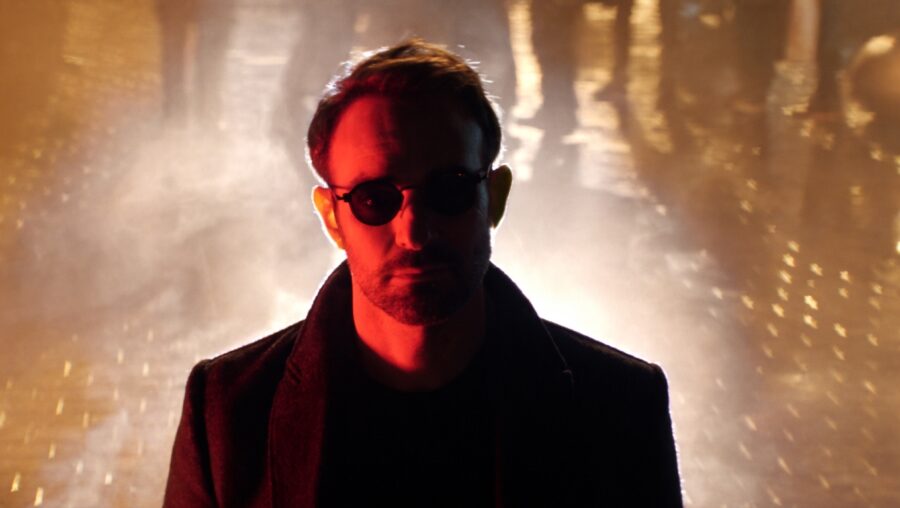
Obviously, the quality of Daredevil: Born Again doesn’t make up for modern Marvel mostly being a disappointment. Furthermore, it’s entirely possible that Season 2 (which is still ongoing as of this writing) will manage to drop the ball. But if you’re like me and have been burned out on what the MCU has to offer, it’s worth checking out this sequel series. If nothing else, additional audiences tuning in may let Disney know exactly what we want from superhero movies and shows: mature writing, deep characterization, and the intersection of several killer plots.
You don’t need superpowers to know where to find Daredevil: Born Again. Like all things Marvel, it can be streamed today on Disney+. That streamer is also the home of the earlier Marvel movies that once premiered on Netflix. When Born Again inevitably makes you nostalgic for the days of exciting Marvel TV shows, you can always go back and watch the original Daredevil. Just do what I did and try to ignore that you’re watching it on the same streamer that brought you stinkers like Secret Invasion and Iron Fist.

Daredevil: Born Again SCORE