
The brain’s overlooked guardians step forward
A quiet revolution is taking shape inside the brain, where a natural “cleanup” system appears to offer a powerful new defense against Alzheimer’s. Researchers have spotlighted astrocytes, the star-shaped support cells long overshadowed by neurons, as active agents in clearing toxic proteins. By supercharging a process called autophagy, these cells seem able to reduce the burden of beta-amyloid aggregates that clog neural circuits. The implications for future therapies are profound, hinting at a shift from neuron-centric strategies to glia-focused interventions.
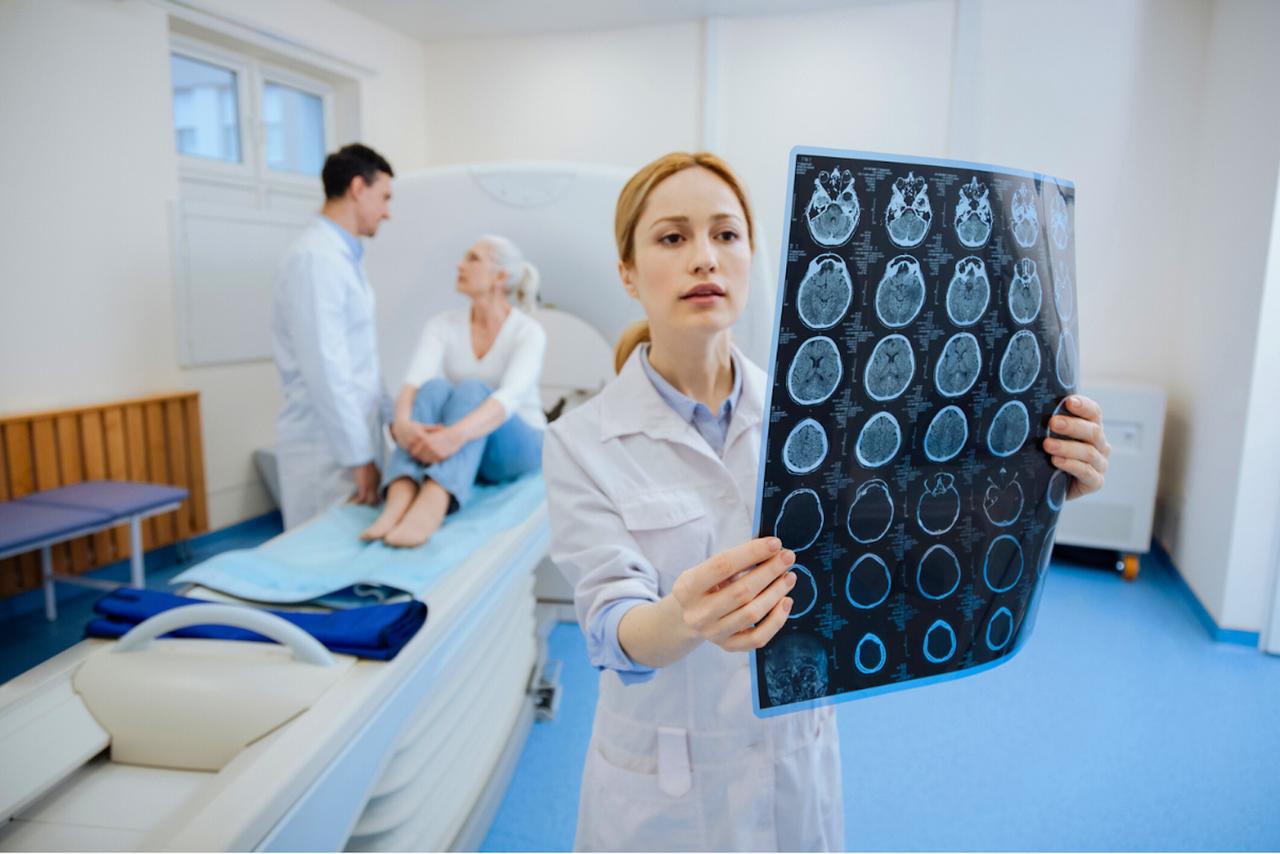
Scientists reveal a promising path for Alzheimer’s treatment. © DR
How a “self-eating” cycle becomes a shield
Autophagy is the cell’s own recycling engine, a housekeeping pathway that breaks down damaged components and misfolded proteins. In astrocytes, this machinery becomes a targeted filter, capturing and digesting beta-amyloid before it forms stubborn plaques. When autophagy is enhanced at the right time and place, astrocytes turn into front-line defenders, lowering local inflammation and easing stress on vulnerable neurons. The result is a cleaner environment in which synapses can transmit signals more reliably.
Signals from a landmark 2024 study
In July 2024, a team led by Dr. Hoon Ryu at the Korea Institute of Science and Technology, with international collaborators, reported compelling evidence in Molecular Neurodegeneration. By elevating key autophagy genes such as LC3B and SQSTM1 specifically within astrocytes, the researchers observed a notable drop in beta-amyloid load. Targeting the hippocampus—the brain’s memory hub—they also documented improvements in neuropathological markers linked to cognitive decline. While preclinical, these findings sharpen a new hypothesis: empower astrocytes, and the brain may start to heal itself.
Why this matters for patients
Traditional Alzheimer’s therapies have aimed squarely at neurons, often arriving late in the disease’s relentless course. A glial-first approach distributes the workload to the brain’s natural support network, potentially reducing side effects and broadening therapeutic windows. Because astrocytes are abundant, adaptable, and tightly connected to metabolic control, enhancing their cleanup function could offer durable benefit. In essence, it mobilizes a built-in, disease-relevant weapon already present in every healthy brain.
What the “astrocyte advantage” could deliver
More efficient clearance of beta-amyloid and other toxic aggregates
Reduced neuroinflammatory signaling and oxidative stress
Better protection for nearby neurons and synapses
Potential improvements in memory and daily cognitive function
New targets for drugs that act on glial biology rather than only on neurons
From gene switches to real-world treatments
Turning a lab insight into a clinic-ready therapy requires precise delivery, careful dosing, and rigorous safety checks. Gene-based activation of autophagy must stay tightly controlled, since overactive degradation can harm healthy cells. Drug developers will likely test small molecules or biologics that nudge astrocyte autophagy without tipping cellular balance. Combination strategies—pairing glial-focused agents with anti-amyloid antibodies or anti-inflammatory drugs—could produce additive or synergistic effects.
Early caution, justified optimism
The evidence so far is strongest in preclinical models, so translation to humans demands patience and proof. Researchers need biomarkers that track astrocyte autophagy in living patients, alongside brain imaging that reflects real-time plaque dynamics. Safety signals—especially in memory-critical regions like the hippocampus—must be transparent and replicable across studies. Still, the core principle is scientifically sound: if the brain can be coached to clear its own debris, resilience may be restored.
Inside the hippocampus, outside the box
Focusing interventions on the hippocampus leverages a region central to learning and memory consolidation. Local boosts in astrocyte autophagy could protect fragile circuits from a toxic cascade, preserving the computations that underlie recall and navigation. Even modest gains in synaptic stability can translate into meaningful daily-life improvements, from word finding to spatial orientation. Therapeutic precision here may produce outsized returns for patients and caregivers alike.
What to watch next
Expect rapid movement on astrocyte-targeted compounds, better imaging of glial function, and smarter clinical trial designs. Trials will likely stratify participants by disease stage, amyloid burden, and inflammatory profiles to maximize signal detection. Success will hinge on delivering enough autophagy boost to matter, without disrupting essential cellular balance. If that line can be walked, a new class of Alzheimer’s therapies may emerge from the brain’s own biology.
“We are only at the beginning of understanding the brain’s own defenses,” a sentiment that captures both the promise and the prudence this moment demands. In elevating astrocytes from backstage helpers to therapeutic protagonists, science may have uncovered a natural ally powerful enough to change the arc of dementia—not by fighting the brain, but by partnering with its deepest instincts for repair.