
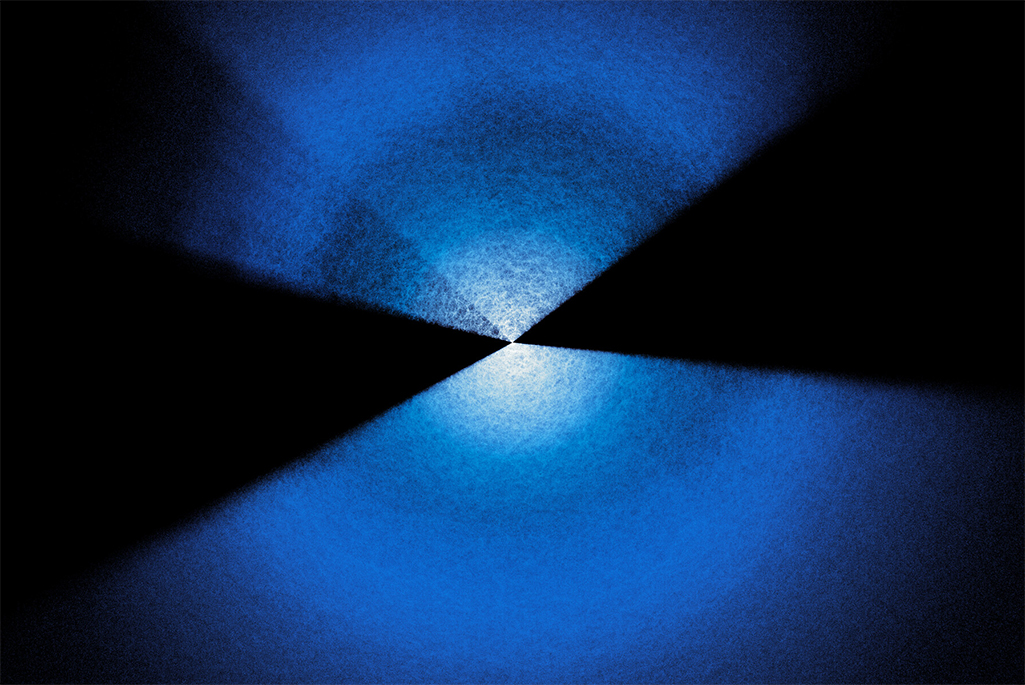
DESI has now measured cosmological data for six times as many galaxies and quasars as all previous measurements combined. The collaboration will immediately begin processing the completed dataset, with the first dark energy results from DESI’s full five-year survey expected in 2027. In the meantime, DESI scientists continue to analyze the survey’s first three years of data, refining dark energy measurements and producing additional results on the structure and evolution of the universe, with several papers planned later this year.
“The Dark Energy Spectroscopic Instrument has truly exceeded all expectations, delivering an unprecedented 3D map of the universe that will revolutionize our understanding of dark energy,” said Kathy Turner, Program Manager for the Cosmic Frontier in the Office of High Energy Physics at the Department of Energy. “From its inception, we envisioned a project that would push the boundaries of cosmology, and to see it come to such a spectacularly successful completion for its initial survey, ahead of schedule and with such rich data, is incredibly rewarding. The dedication and ingenuity of the entire DESI collaboration have made this world-leading science a reality, and I am immensely proud of the groundbreaking results we are already seeing and the discoveries yet to come as we continue to explore the mysteries of our cosmos.”
An observing machine
DESI began collecting data in May 2021. Since then, the instrument has far surpassed the collaboration’s original goals. The plan was to capture light from 34 million galaxies and quasars (extremely distant yet bright objects with black holes at their cores) over the five-year sky survey. DESI instead observed more than 47 million galaxies and quasars and 20 million stars.
The project’s success is even more impressive in light of several challenges. DESI is a complicated machine with thousands of parts to maintain. In 2020, final tests of the instrument were interrupted by the COVID-19 pandemic. In 2022, the Contreras Fire swept over Kitt Peak but, through the efforts of firefighters and staff, did not damage the telescope. Recovery efforts were slowed by monsoons and mudslides.