
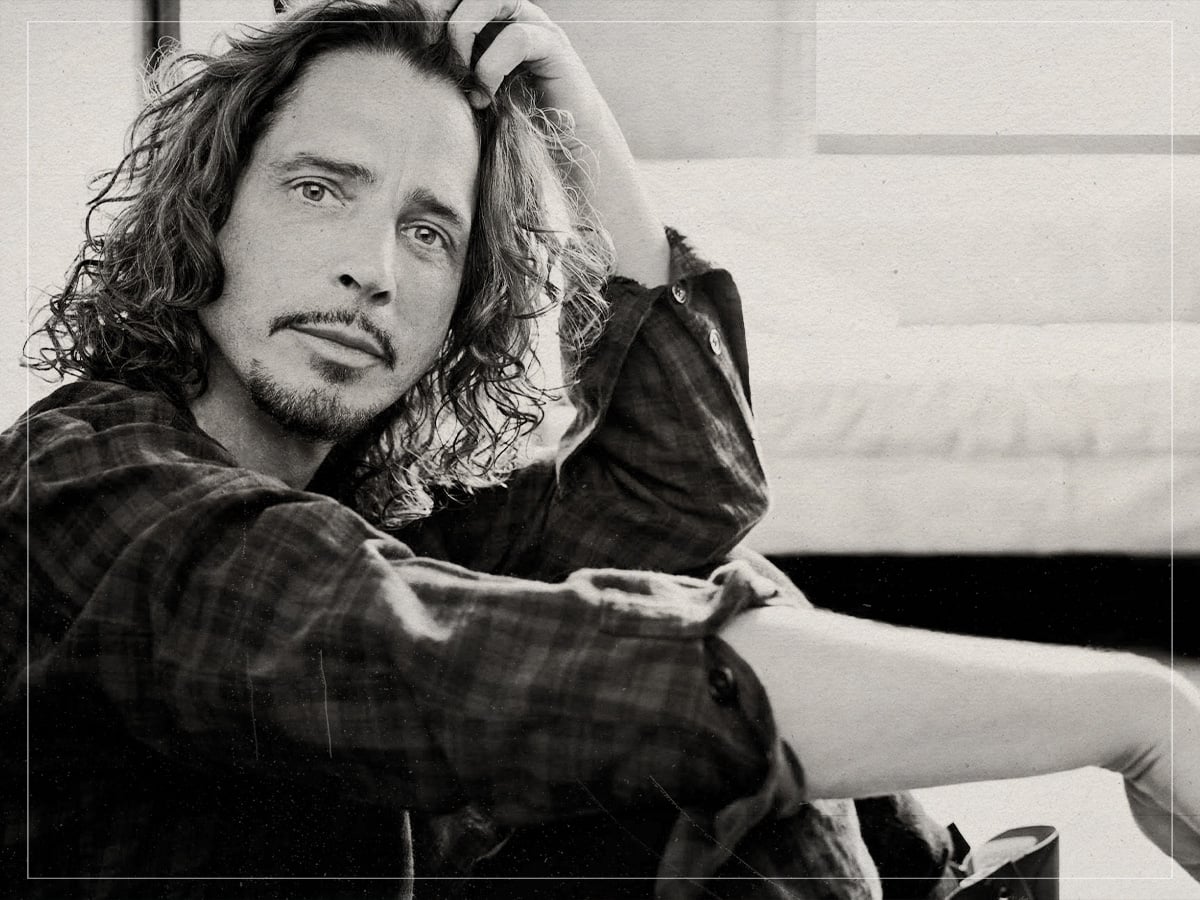
(Credits: Far Out / Chris Cornell)
Thu 16 April 2026 2:00, UK
Anything Chris Cornell ever made had to mean something more than a typical rock and roll song.
He was the archetype of what a rock frontman was supposed to sound like, but even though everyone was expecting him to be the next incarnation of Robert Plant, there came a point where even he wanted to start moving outside the realm of traditional rock and roll with Soundgarden. But when the grunge wave actually started blowing up, there was a big difference between bands that came from Seattle and everyone cashing in on the trend.
And for Cornell, it wasn’t particularly hard to spot most of them. Keep in mind, not every great alternative act in the 1990s had to necessarily come from Seattle, but even though someone like Billy Corgan managed to create his own separate branch of alt-rock fans, some Seattleites were definitely giving a little bit of a side eye to people like Stone Temple Pilots for daring to sound a little too much like Pearl Jam.
But if Cornell was having a problem with Scott Weiland for making decent hard rock that was influenced by grunge, he wasn’t ready for the post-grunge wave. Every now and again, there would be bands that were willing to work in some new material, like Days of the New with their acoustic approach to rock, but when you start not being able to tell the difference between the next great grunge band and Hootie and the Blowfish, some wires definitely got crossed somewhere.
Then again, Cornell didn’t see this as anything new. He had seen what some of the biggest pop acts of the 1970s had been doing when he first started making music, and while he was critiquing a lot of the Johnny-come-latelies that tried to leech off of the Seattle scene, ABBA ended up catching a few strays when he started singling out the bubblegum brand of alternative music.
As far as Cornell could see, there was no difference between what these new bands were doing and ABBA’s pop hits, saying, “The bad thing is that the industry encourages it. They should be encouraging a unique perspective and creativity. They have the resources. They’re always going to have the ABBAs and manufactured pop that they make money off of, so why not take some of the money and support some of the people who have a unique talent instead of just encouraging people to sound like something else that will help them sell a million records at one point in their career, and then ruin the rest of their career?”
But, really, I’m not sure that ABBA is really the best description of this kind of practice. While the Swedish icons are the poster children for what perfect pop music is supposed to sound like, it’s not like they were leeching off of anything. They had a lot more opportunities than most, but considering how most grunge wannabes only needed a baritone voice and a gnarly guitar tone, everyone in ABBA were musical genius by comparison.
And it’s not like the rest of the Seattle scene couldn’t put some respect on the good name of ABBA. Kurt Cobain was always trying to go out of his way to confuse his audience at times, but the fact that he thought enough to have an ABBA tribute band as Nirvana’s opening act for one of their festival circuits is both hilarious and awesome, depending on how you want to look at it.
So while Cornell could see ABBA as nothing but a bit of pop fluff, it was never solely about making hits for them. These were sonic wizards trying to make the finest commercial music ever made, and even though the grunge wannabes were no different than the other manufactured pop that Cornell saw, chances are none of them could have made the massive hooks on a song like ‘Take A Chance on Me’.
