
As ESPN’s weekday studio shows continue to hit viewership highs, competition on other sports networks has largely collapsed.
In a recent press release, ESPN announced that daily studio viewership in the first quarter of 2026 increased 14% compared to the first quarter of 2025. And while that boost can at least be partly explained by Nielsen’s introduction of Big Data measurements, it doesn’t change the fact that ESPN continues to trounce its competition in the dayparts.
Take morning show Get Up, for instance. On a panel-only basis, Get Up averaged 392,000 viewers the week of March 30. In the same timeslot, Wake Up Barstool on FS1 averaged 18,000 viewers, The Leadoff Spot on MLB Network averaged 19,000 viewers, and Good Morning Football on NFL Network averaged 41,000 viewers.
ESPN’s biggest competition in the morning window is itself. SportsCenter on ESPN2 averaged 75,000 viewers that week.
While ESPN trends up, FS1 viewership in that window has been on a downward trajectory for awhile. In June 2025, Breakfast Ball, was averaging 32,000 viewers. In May 2019, when the slot belonged to First Things First, viewership was 61,000.
With such a wide gap between ESPN and the rest of the field, it is somewhat surprising that so many networks continue to program directly against it.
ESPN’s advantage is not limited to the morning. The Pat McAfee Show averaged 355,000 panel viewers that week. The Herd on FS1 remains the closest competitor between the two networks, but at an average of 101,000 viewers, it is still nowhere close.
While ESPN’s viewership suggests its shows remain popular, the network continues to face familiar criticism. The network’s daily studio programming has long been accused of leaning heavily toward the NFL and NBA, often at the expense of broader sports coverage. Yet those critiques have done little to dent its audience advantage.
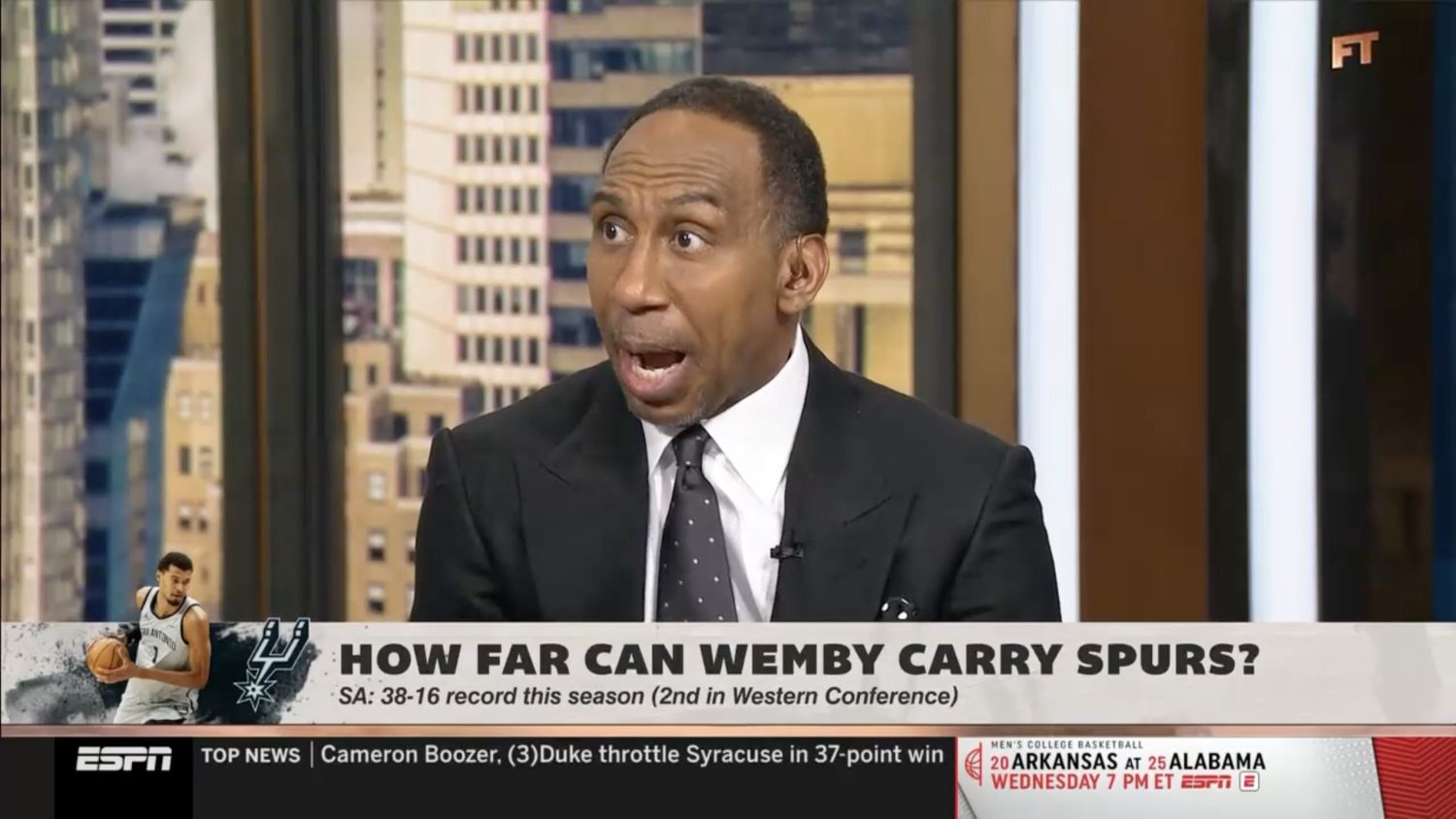
Stephen A. Smith’s First Take is the show that has seen the brunt of this criticism, but it hasn’t seen its viewership negatively impacted. First Take led all of ESPN’s shows with 448,000 average panel viewers. ESPN says that First Take averaged 524,000 viewers in the first quarter of 2026 while including Big Data.
What makes ESPN’s continued dominance all the more notable is it doesn’t lack competition. Beyond traditional television, digital challengers like the baseball-focused Foul Territory on YouTube have entered the space. But so far, none have made a meaningful dent in ESPN’s grip on the weekday studio show landscape.
For better or worse, as long as ESPN continues to lead in viewership, it will continue to shape the sports conversation — regardless of how that coverage is received.