
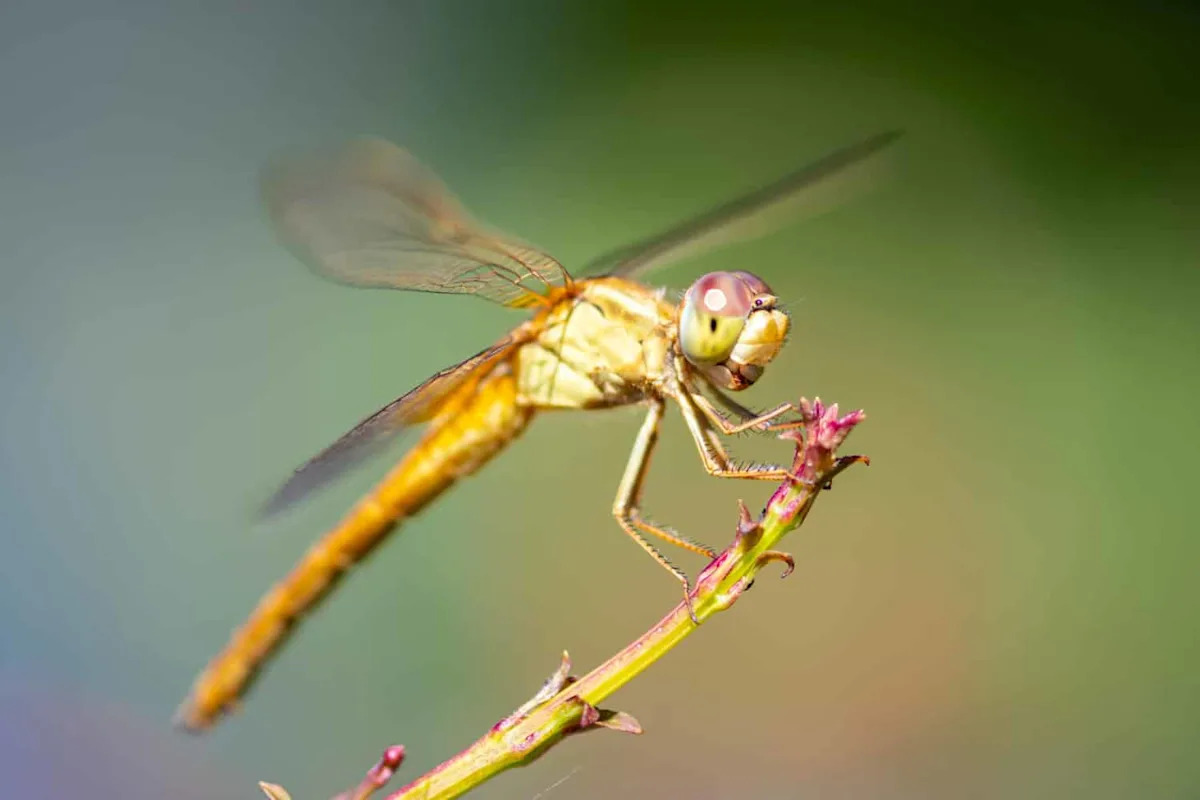
The post Scientists Found a Dragonfly Eye Superpower That Humans Never Knew Existed appeared first on A-Z Animals.
Quick Take
Parallel evolution led dragonflies and humans to see red light similarly.
Dragonflies can see red light that is invisible to humans.
Male dragonflies may use red light to differentiate between sexes while in flight.
Near-infrared light may revolutionize the field of optogenetics.
At first glance, dragonflies and humans seem to have nothing in common. However, a new study has shown that this is not the case. Scientists have found a dragonfly eye superpower that humans never knew existed. Humans and dragonflies are biologically wired to see red in a similar fashion, all thanks to parallel evolution.
How Humans and Dragonflies See Light
Light and color are detected and understood by the brain via proteins in the eyes called opsins. In the human eye, there are three main opsins used to detect the colors green, blue, and red. This enables humans to perceive a wide range of colors and shades, resulting in what is known as normal color vision.
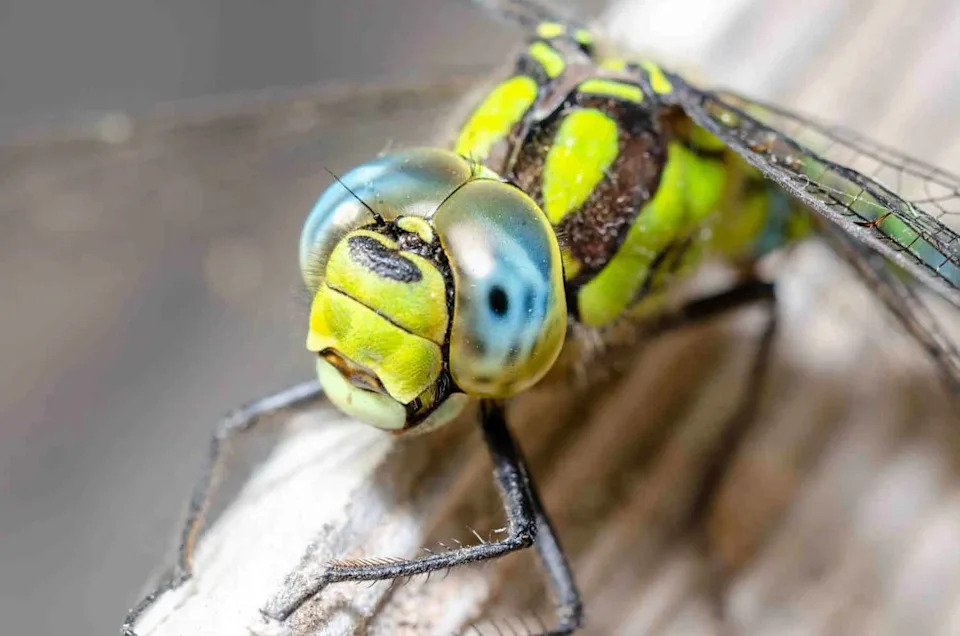
Dragonflies and humans detect light similarly.
©Haiduchyk Aliaksei/Shutterstock.com
According to a new study published in Cellular and Molecular Life Sciences, dragonflies interpret red light in a similar fashion to humans. Humans are most sensitive to red light at 560 nanometers, and some individuals can perceive slightly longer wavelengths. Dragonflies, however, can see red light at 720 nanometers—a wavelength beyond the range visible to humans. This means that dragonflies can see light that is invisible to the human eye.
“This is one of the most red-sensitive visual pigments ever found,” Akihisa Terakita at OMU’s Graduate School of Science said in a news release. “Dragonflies can likely see deeper into red light than most insects.”
How Did Humans and Dragonflies Evolve with Similar Vision?
Humans and dragonflies are not thought of as being related. However, humans and dragonflies share a distant common ancestor. Because of this, a specific site in the opsin protein, position 292, responds the same way to light.
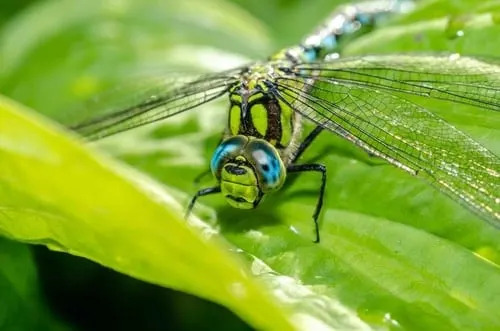
Dragonflies and humans see red light similarly thanks to parallel evolution.
©Haiduchyk Aliaksei/Shutterstock.com
“Surprisingly, the mechanism by which dragonfly red opsin detects red light is identical to that of red opsin in mammals, including humans,” Ryo Sato, first author and graduate student, said in the news release. “This is an unexpected result, suggesting that the same evolutionary process occurred independently in distantly related lineages.”
This ability to see red light is an example of parallel evolution, where similar traits evolve independently in different species. In dragonflies, a single amino acid change allows them to see deeper red light compared to humans. This is what allows them to see a deeper red than humans.
Red Light Vision Helps Dragonflies Thrive
The ability to see deep red light is crucial for dragonflies’ survival, as they move quickly and rely on their vision to process many images through an unfocused lens.
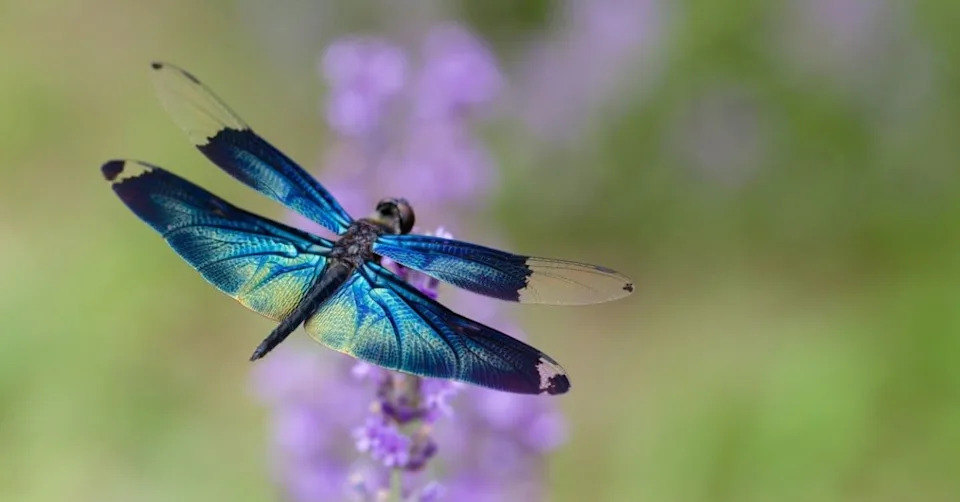
Male dragonflies use red light to distinguish between sexes.
©iStock.com/H_Yasui
Researchers hypothesized that the ability to see deep red light helps male dragonflies quickly identify females. This efficiency reduces the energy needed to find a mate, increasing reproductive success.
How Deep Red Light Can Change the Field of Optogenetics
Optogenetics combines optics and genetics to control cells, such as neurons, with light.
Some of the major advancements in the field of optogenetics to date include:
A better understanding of how neural pathways in the brain affect cognition and behavior
Common neurological disorders have become better understood in terms of how they affect neuronal communication
Vision restoration for those diagnosed with retinitis pigmentosa
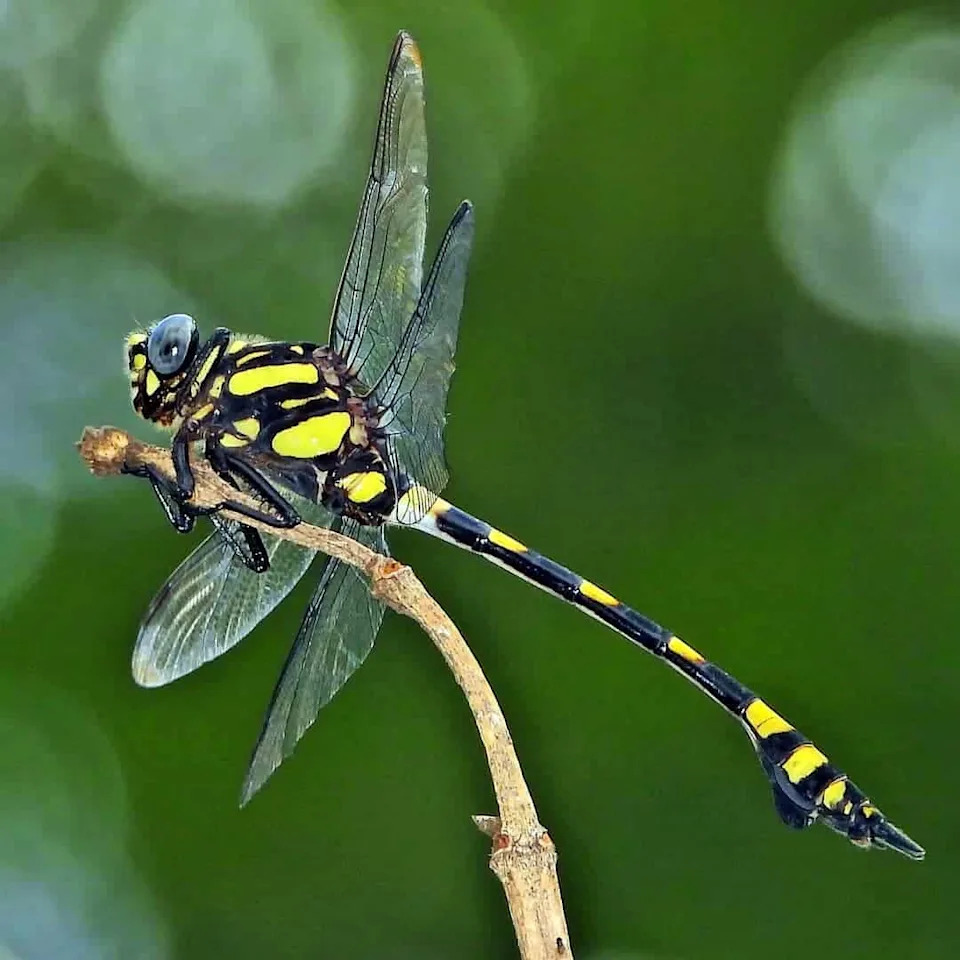
Dragonfly vision may help to advance the field of optogenetics.
©Aneesh15 / CC BY-SA 4.0 – Original / License
According to the study, using deep red light—like that seen by dragonflies—instead of the blue light currently used in optogenetics could allow light to reach cells in the body that were previously inaccessible. By controlling these cells non-invasively, it may become possible to manage neurological disorders in ways that were not previously achievable.
“In this study, we succeeded in shifting the sensitivity of a modified near-infrared opsin from Gomphidae dragonflies even further toward longer wavelengths and confirmed that the modified near-infrared opsin can induce cellular responses in response to near-infrared light,” Professor Koyanagi explained in the news release. “These findings demonstrate this opsin as a promising optogenetic tool capable of detecting light even deep within living organisms.”
It is uncertain how soon this technology will transform the field of optogenetics. But thanks to a better understanding of the unparalleled eyesight of dragonflies, change may be coming sooner than expected.
The post Scientists Found a Dragonfly Eye Superpower That Humans Never Knew Existed appeared first on A-Z Animals.