
TV in the 1980s became more commercial, more serialized, and more stylistically ambitious than ever before. The best TV shows of the 1970s were still shaped by the legacy of socially conscious programming and experimental formats. There was a turn towards more issue-driven sitcoms and dramas, looser genre boundaries, and a willingness to reflect real-world politics and social change.
Shows often felt self-contained, episodic, and grounded in a kind of “TV as public forum” mindset in the ’70s. The TV shows that defined the ’80s tightened into a more competitive, ratings-driven model. Networks leaned into high-concept hooks, bigger emotional stakes, and long-term storytelling strategies designed to keep audiences returning week after week.
The most popular shows of the decade normalized serialized storytelling, big-season cliffhangers, ensemble dramas, and more cinematic production styles. The 1980s also launched the modern primetime soap, the prestige procedural, and the meta-sitcom language that later defined quality TV.
‘80s television was about engineering audience addiction and scaling storytelling over time. These 10 shows didn’t just dominate the decade; they redefined what the medium could be in ways that remain influential in TV storytelling and production today.
The Tracey Ullman Show
1987-1990, 4 Seasons
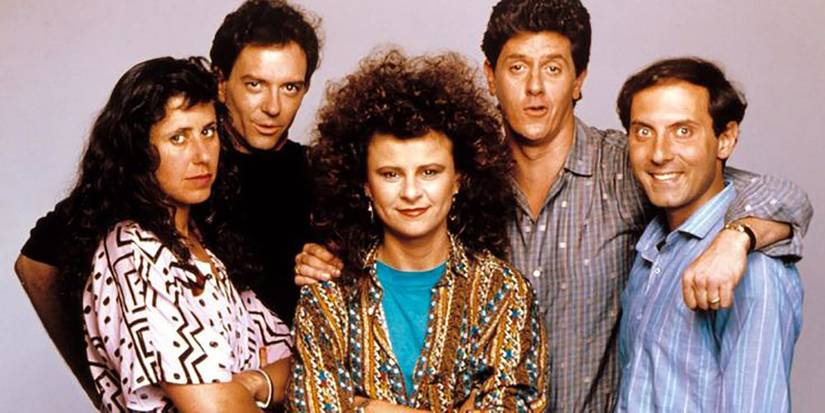
The Tracey Ullman Show was a sketch comedy variety series that stood out in the late 1980s by combining traditional live-action sketches with original animated segments created specifically for the series. These animated bits often delivered quick punchlines and recurring personalities in under a minute, giving the show a rhythm unlike other variety programs of the era.
Most importantly, one of those shorts centered on a dysfunctional cartoon family created by Matt Groening. The segments proved popular enough to expand into a standalone series, The Simpsons, which premiered in 1989 and remains on the air today, making The Tracey Ullman Show an unlikely launching pad for one of television’s longest-running and most influential comedies.
Murphy Brown
1988-1998, 11 Seasons
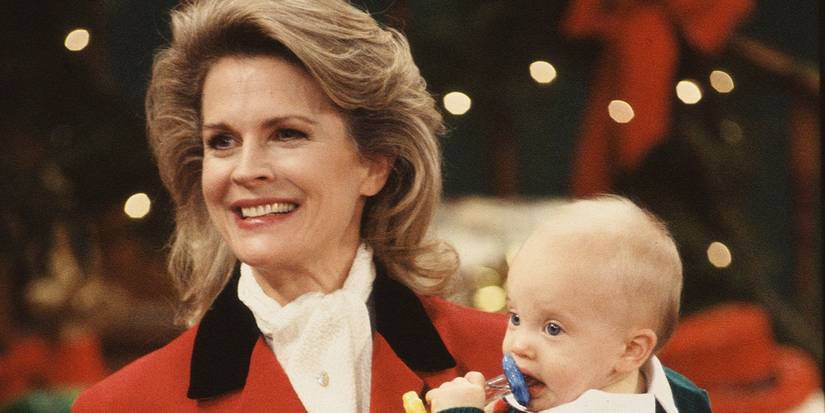
Murphy Brown (Candice Bergen) holding a baby in a scene from Murphy Brown
Murphy Brown pushed the workplace sitcom into more topical territory by directly engaging with real politics and social issues. Starring Candice Bergen as a sharp, famously difficult investigative journalist and news anchor, the series centered on the behind-the-scenes chaos of a TV newsmagazine while also addressing subjects including addiction recovery, workplace sexism, aging in media, and media ethics.
The show’s cultural impact peaked when Murphy chose to become a single mother, a storyline that sparked national debate. The decision was so influential that Vice President Dan Quayle criticized the character in a 1992 speech, arguing the show promoted single parenthood.
The moment blurred the line between fiction and real-world politics, cementing Murphy Brown as a sitcom that didn’t just reflect contemporary issues but actively shaped a national conversation.
The Golden Girls
1985-1992, 7 Seasons
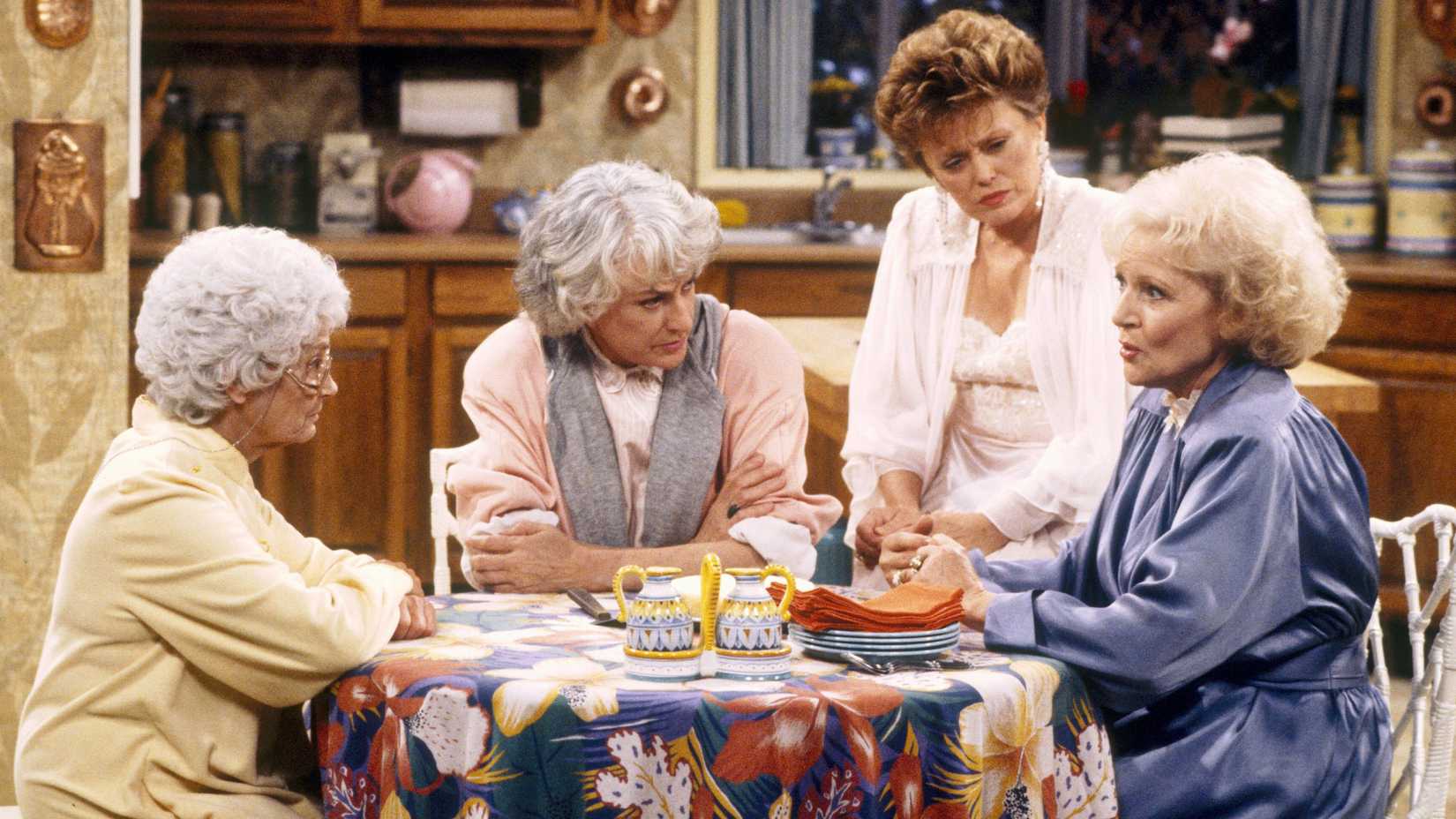
Bea Arthur, Betty White, Rue McClanahan and Estelle Getty in The Golden Girls
The Golden Girls reshaped what a mainstream sitcom could be by centering on four older women and treating their lives as vibrant, messy, and funny rather than peripheral. At a time when most sitcoms focused on families or young professionals, the series expanded both subject matter and audience demographics.
It tackled surprisingly dark topics for a sitcom, including aging, sexuality, loneliness, financial insecurity, and health concerns, often with a sharp, rapid-fire writing rhythm that felt closer to single-camera comedy than traditional multi-cam setups. Despite its unconventional premise, Golden Girls ran for seven seasons and was a major ratings hit, proving audiences would embrace female friendship-driven storytelling.
Its success helped open the door for later ensemble comedies centered on women’s relationships, such as Sex and the City and Grace and Frankie, both of which echo its focus on friendship, dating, and candid conversations about life stages rarely centered on television.
Thirtysomething
1987-1991, 4 Seasons
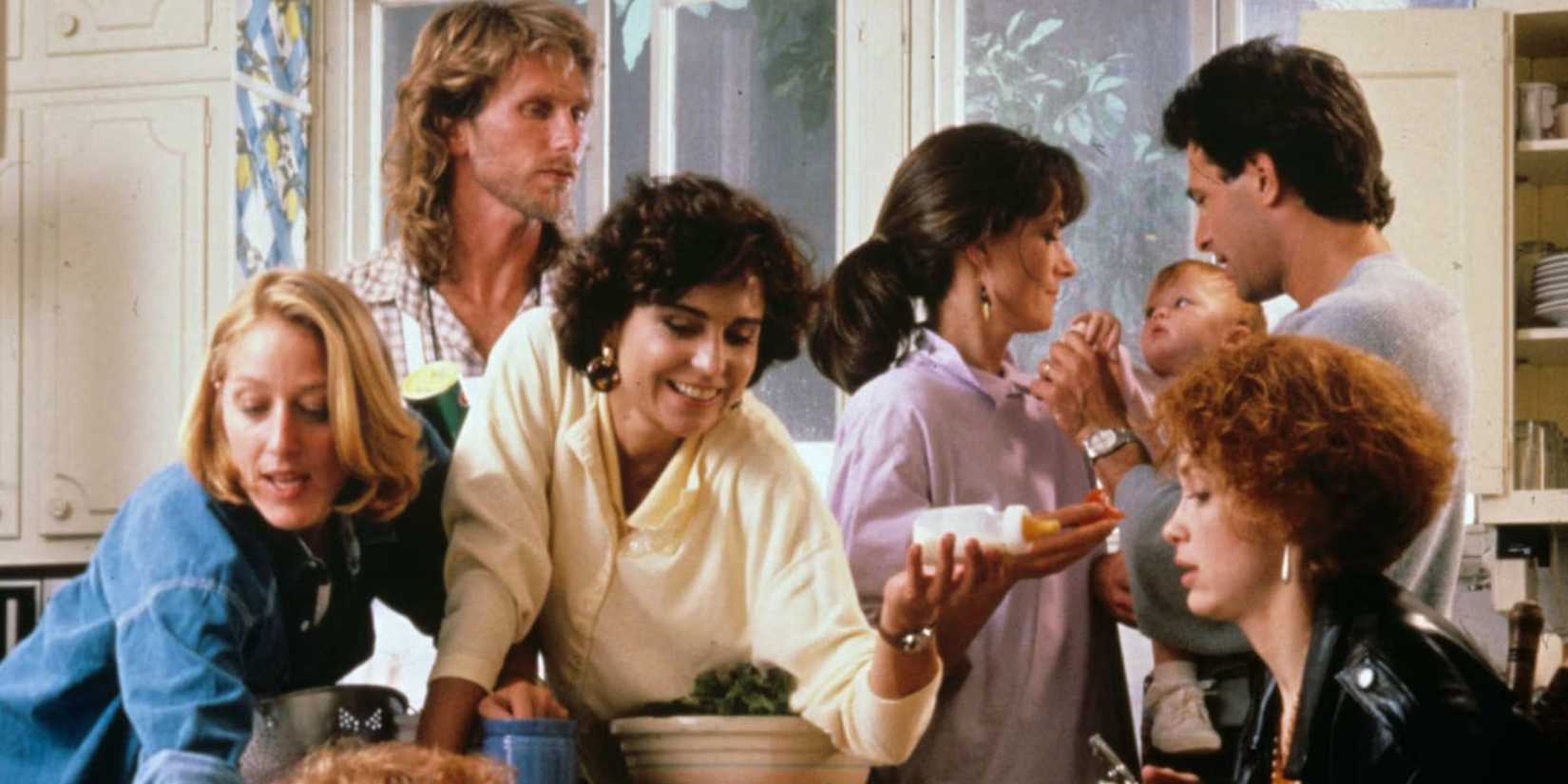
The characters in Thirtysomething standing in the kitchen
Thirtysomething helped push television beyond rigid sitcom and drama categories by focusing on a group of friends navigating adulthood without fitting into a single premise. It wasn’t a family comedy, a workplace show, or a dating series, but a blend of all three, following characters as they balanced relationships, careers, marriage, and parenthood.
The show’s quiet, character-first storytelling emphasized emotional realism over big plot twists, helping normalize the dramedy tone that later became common on television. Conversations unfolded naturally, conflicts were often internal, and episodes prioritized personal growth rather than episodic hijinks.
This approach expanded what network TV could look like and influenced later ensemble series built around young adult life and relationships, including My So-Called Life, Felicity, Parenthood, and This Is Us. Although Thirtysomething didn’t age perfectly, the show helped establish the template for modern character-driven television.
Star Trek: The Next Generation
1987-1994, 7 Seasons
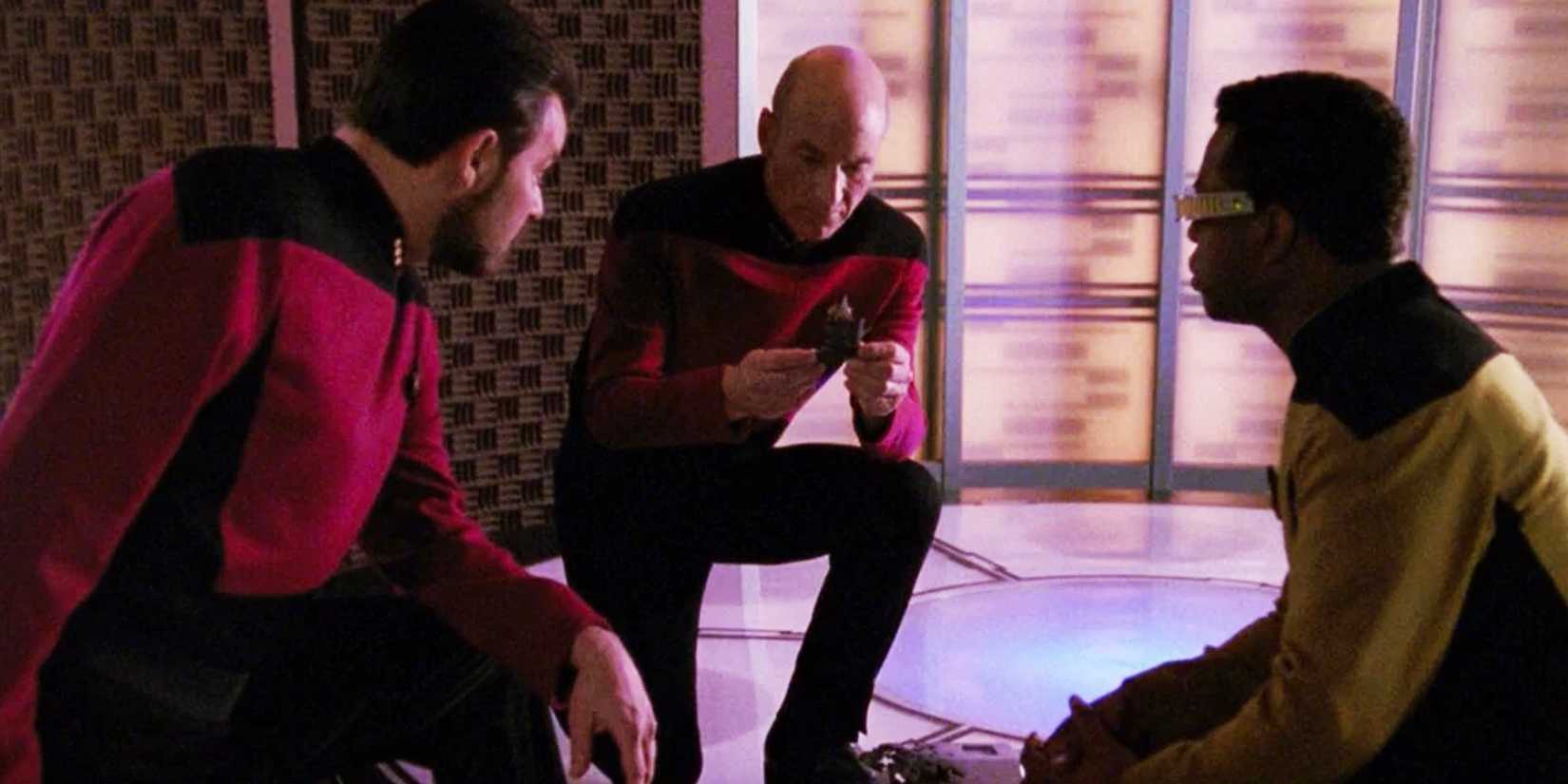
Riker (Jonathan Frakes), Picard (Patrick Stewart), and La Forge (LeVar Burton) investigate the transporter pad Star Trek: The Next Generation, “Hollow Pursuits.”
Star Trek: The Next Generation reshaped both science fiction television and industry strategy by succeeding in first-run syndication rather than debuting on a broadcast network. Paramount recommitted to television with the franchise in part to avoid direct competition with the blockbuster dominance of the Star Wars films, which made big-screen sci-fi an increasingly risky arena.
By focusing on TV, the studio could expand the universe with ambitious storytelling while reaching audiences weekly. The Next Generation proved that syndicated prestige sci-fi could thrive, delivering strong ratings and running for seven seasons. Its success legitimized first-run syndication as a viable path for expensive, high-concept series.
Beyond its business impact, The Next Generation is often regarded as Star Trek’s creative peak, blending philosophical sci-fi with character-driven ensemble drama. Its influence still looms large, with Paramount continuing to chase the same balance of optimism, serialized storytelling, and thoughtful world-building that made The Next Generation so enduring.
It’s Garry Shandling’s Show
1986-1990, 4 Seasons
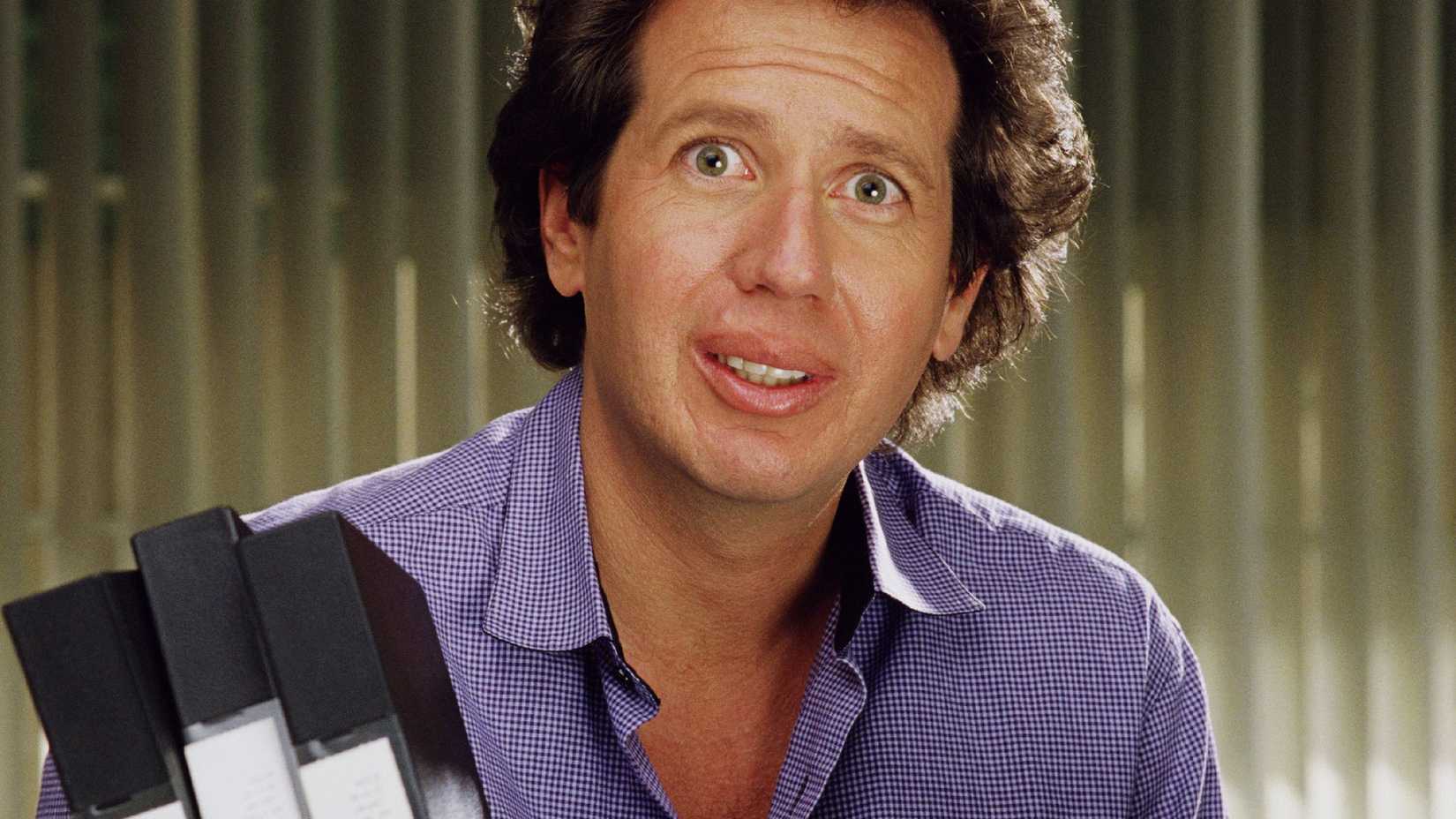
It’s Garry Shandling’s Show was a groundbreaking meta sitcom that openly acknowledged its own artificiality. Garry Shandling played a version of himself who is fully aware he is a character on a television series in one of the funniest shows that revolutionized TV.
Unlike traditional sitcoms of the era, the show frequently broke the fourth wall, with Shandling addressing the studio audience directly, commenting on storylines, and even manipulating events to change how episodes played out. This constant self-awareness turned the mechanics of sitcom storytelling into part of the comedy itself.
By collapsing the boundary between performer, character, and audience, the series became a precursor to modern self-referential television. Its influence can be seen in later meta-comedies such as Malcolm in the Middle, which used direct address to the camera, as well as Community and 30 Rock, both of which built humor from TV’s own structure and conventions.
St. Elsewhere
1982-1988, 6 Seasons
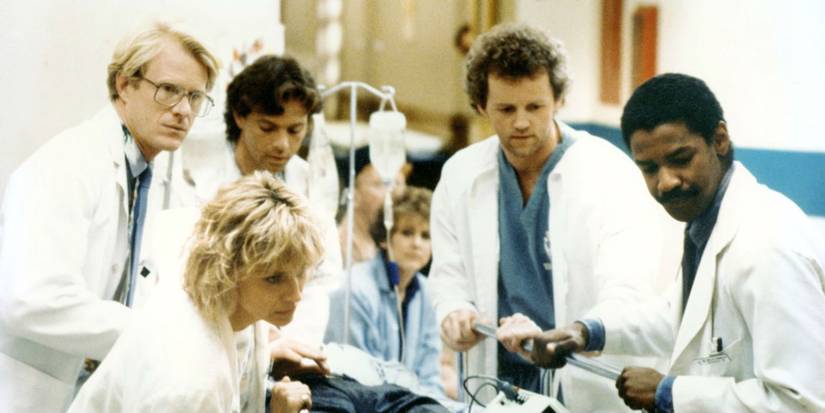
The cast of St. Elsewhere attend to a patient
St. Elsewhere built on the breakthrough template established by Hill Street Blues the year prior, which had already proven that serialized storytelling, overlapping character arcs, and ensemble-driven realism could work in a network drama. Where Hill Street Blues brought a cinéma vérité style and narrative complexity to the police procedural, St. Elsewhere applied that same approach to the hospital drama.
St. Elsewhere was set in the rundown St. Eligius Hospital and focused on the exhausted, morally complicated doctors navigating institutional chaos. The series rejected idealized portrayals of medicine in favor of messy realism, where ethical compromises and personal dysfunction were central to every case.
Its willingness to blend serialized character development with procedural structure helped define the modern medical drama blueprint, despite St. Elsewhere’s controversial finale. The influence of this approach can be seen in later series like ER, Grey’s Anatomy, and House, which all carry forward its mix of ensemble storytelling and ongoing emotional stakes.
Miami Vice
1984-1990, 5 Seasons

Rico and Sonny standing outside in Miami Vice
Miami Vice broke sharply from the conventions of traditional police procedurals by transforming the genre into a highly stylized, culture-driven experience. Rather than relying solely on case-of-the-week plotting and procedural detail, the series drew heavily from 1980s pop culture, integrating contemporary rock and pop music, fashion-forward costuming, and luxury sports cars into its storytelling.
Miami Vice often prioritized mood, atmosphere, and visual storytelling over intricate plotting, using music-video-inspired editing and cinematic cinematography to shape tone and character, making it unique and one of the best police procedurals of all time. This approach fundamentally changed how television could look and feel. Its influence can be seen in later stylized crime dramas such as Nip/Tuck and CSI: Miami, which emphasize aesthetics and tone as much as narrative.
Dallas
1978-1991, 14 Seasons
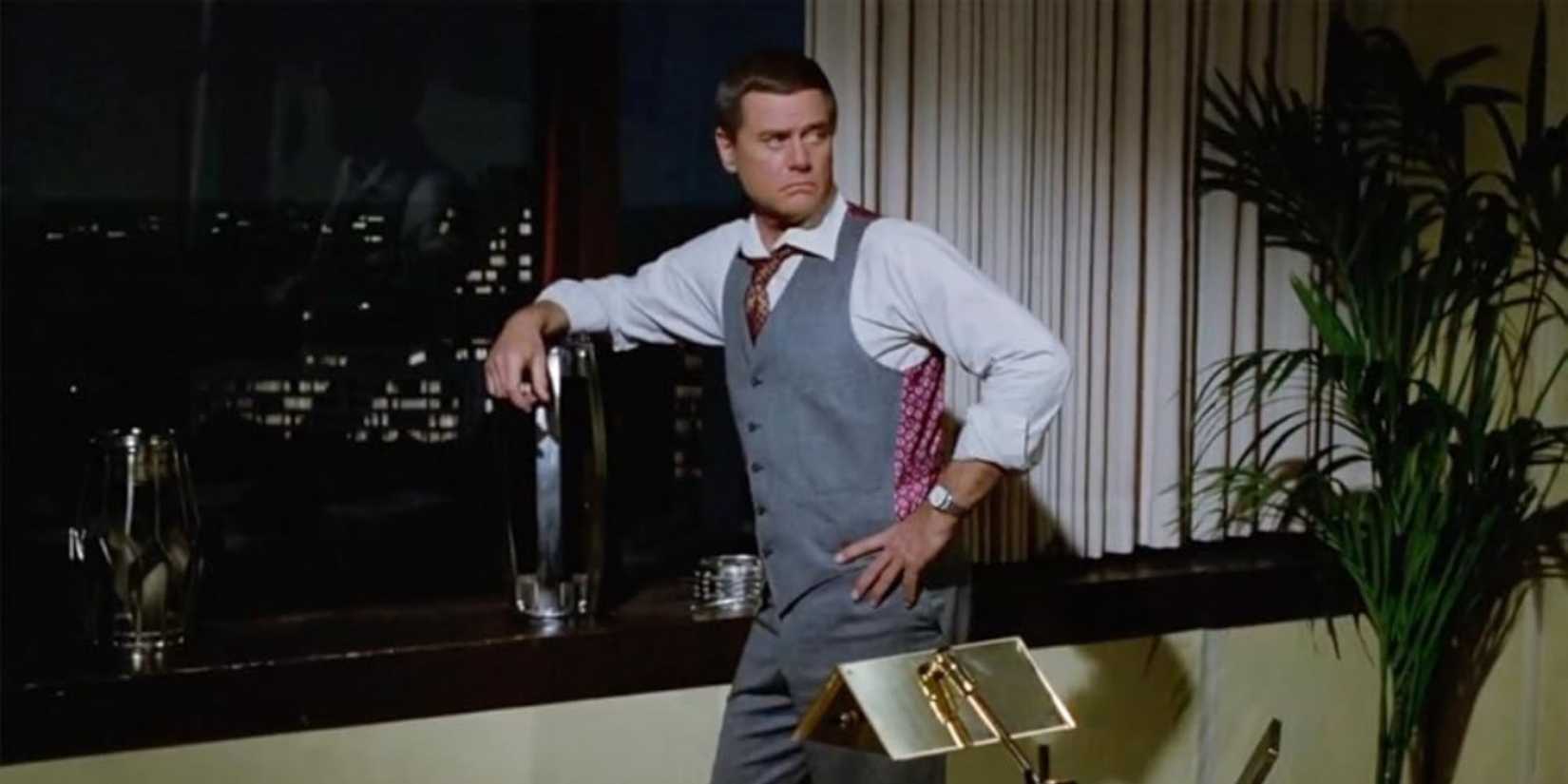
J.R. Ewing (Larry Hagman) Gets Shot in Dallas
Dallas technically premiered in the late 1970s, but its defining era and peak influence unfolded throughout the 1980s. The series began with a Romeo and Juliet-style romance embedded inside a Texas oil-family feud between the Ewings and the Barnes family, but it quickly expanded into a sprawling, multi-generational corporate soap about power, legacy, and betrayal.
As the show evolved, its focus shifted from romance to high-stakes business warfare and family succession drama. Dallas also fundamentally changed television storytelling with one of the most famous cliffhanger endings of all time, the famous “Who shot J.R.?” season finale, which became a cultural phenomenon and reshaped audience expectations for serialized television.
Dallas changed TV forever, helping define the primetime soap boom of the 1980s and establishing long-form melodrama as a dominant force in network TV.
Hill Street Blues
1981-1987, 7 Seasons
Hill Street Blues redefined what a network drama could look and feel like by introducing a cinéma vérité style that emphasized handheld camera work, naturalistic lighting, and overlapping dialogue. Set in a gritty urban precinct, the series rejected the clean, episodic structure of traditional cop shows in favor of serialized storytelling that followed multiple cases and character arcs at once.
This ensemble approach allowed personal lives, professional struggles, and ongoing investigations to intertwine across episodes, creating a more immersive and realistic world. Its tonal realism and multi-thread narrative structure marked a major shift in television language, prioritizing continuity and character evolution over reset storytelling.
Hill Street Blues is widely regarded as the foundation of modern prestige ensemble drama, directly influencing shows like The Wire and nearly every major serialized series that followed, from network procedurals to contemporary streaming dramas built on long-form character development and interconnected storylines. It was one of the shows of the ’80s that changed what television could be.