
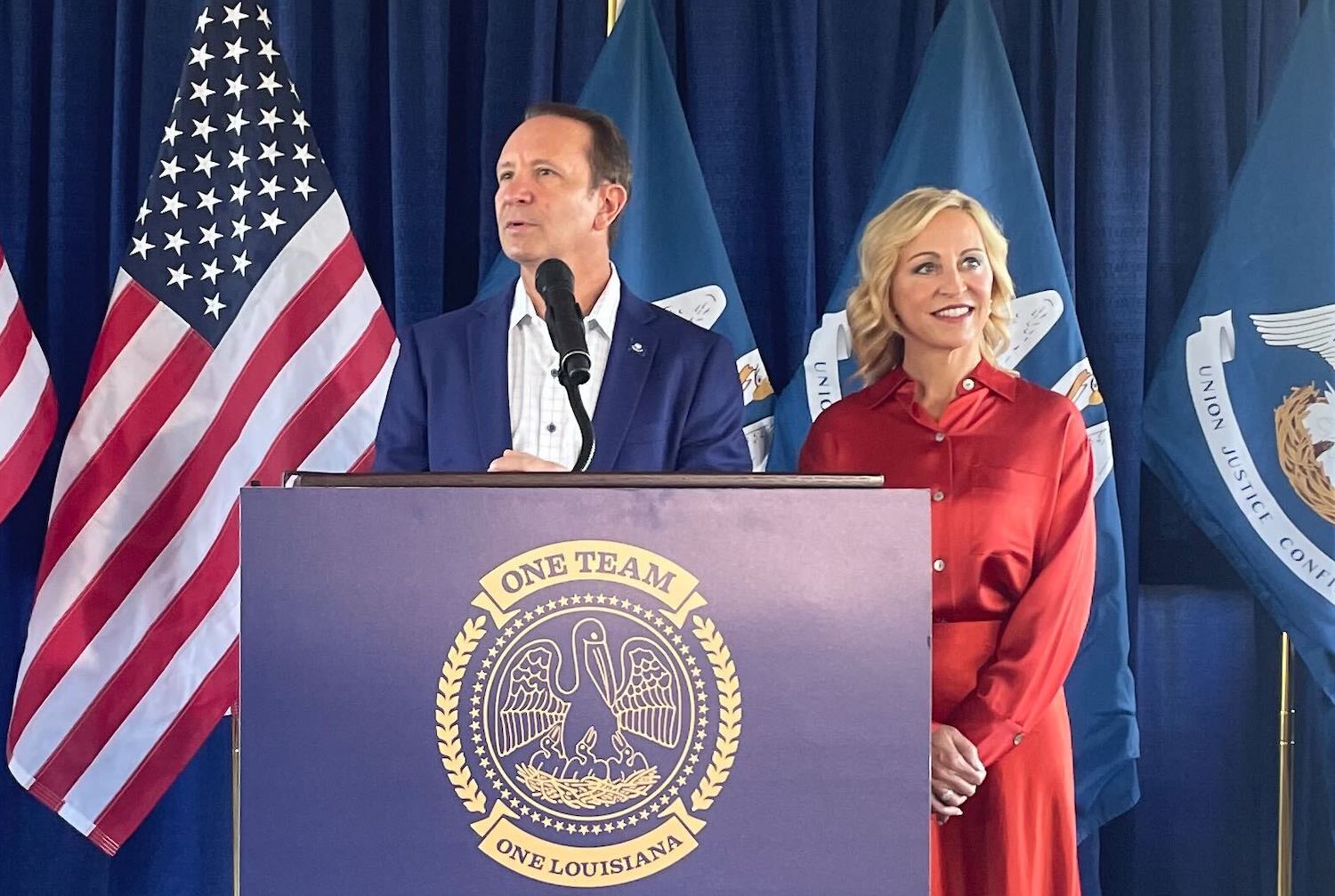
A Global Perspective on Policy
Across the Atlantic, Louisiana Governor Jeff Landry is making waves with a policy agenda characterized by aggressive executive action and a focus on conservative economic principles. While the state of Louisiana may seem worlds apart from Kenya, the administrative challenges faced by its leadership—infrastructure decay, energy sector volatility, and the need for fiscal reform—offer a compelling case study for Kenyan policymakers and observers alike. Landry’s recent legislative victories and subsequent challenges provide a window into the global debate on the role of the state.
Landry’s tenure has been marked by a focus on “law and order” and a drive to reduce the bureaucratic hurdles stifling business growth. His approach, while popular among his core base, has faced stiff resistance from institutional stakeholders, reflecting the same political gridlock often seen in Nairobi. The comparison is instructive: it highlights how universal the struggle for effective, accountable governance has become in the 21st century.
Energy and Economic Policy Parallels
One of the most striking parallels between Louisiana and Kenya is the reliance on the energy sector. Louisiana is a key player in the US oil and gas industry, and Landry’s policies have centered on maximizing production while navigating the global transition to renewable energy. This mirrors the delicate balance Kenya must strike as it develops its own energy infrastructure, particularly with its investments in geothermal and wind power, while still dealing with the realities of imported refined fuel.
Landry has implemented a series of tax reforms designed to attract manufacturing investment, a move that economic analysts in Kenya have watched with interest. Proponents argue that such reforms are necessary to stimulate growth, while critics point to the long-term impact on social services and public education funding. These are the same tensions playing out in the Kenyan National Assembly, where the government is constantly weighing the necessity of revenue collection against the need to stimulate private sector expansion.
Economic Driver: Louisiana relies heavily on petrochemical output, similar to Kenya’s reliance on energy-intensive manufacturing.
Policy Stance: Landry advocates for deregulation, a strategy frequently debated in Kenyan policy circles.
Governance Model: The shift towards centralized executive power has drawn both praise and intense criticism.
Global Context: The challenges of rural electrification and urban infrastructure are shared across both geographies.
Accountability and the Power of the Executive
The debate surrounding Governor Landry is ultimately about the limits of power. By pushing for sweeping changes in public safety and education, he has sparked a national conversation about whether executive overreach is a justifiable price to pay for decisive action. In Kenya, where the constitutional design emphasizes checks and balances, the Landry model serves as a cautionary tale.
The importance of institutional resilience cannot be overstated. Whether it is in Baton Rouge or Nairobi, the health of a democracy is measured not by the speed of executive decision-making, but by the robustness of the institutions that hold that power to account. Observers in Kenya looking at the US model should focus not just on the policy outcomes, but on how these democratic systems navigate the friction between a strong leader and an independent judiciary and legislature.
A Shared Global Challenge
As Kenya continues to develop its own political and economic identity, looking at global examples like Louisiana is invaluable. It provides a mirror, reflecting our own strengths and weaknesses. The story of Jeff Landry is the story of modern governance—a complex, often messy, and high-stakes endeavor. For those following international affairs, the lessons from Louisiana are clear: economic progress is inextricably linked to the strength of public institutions and the ability to find consensus in a deeply polarized society. The global dialogue on these issues continues, and Kenya remains a central part of that conversation.