
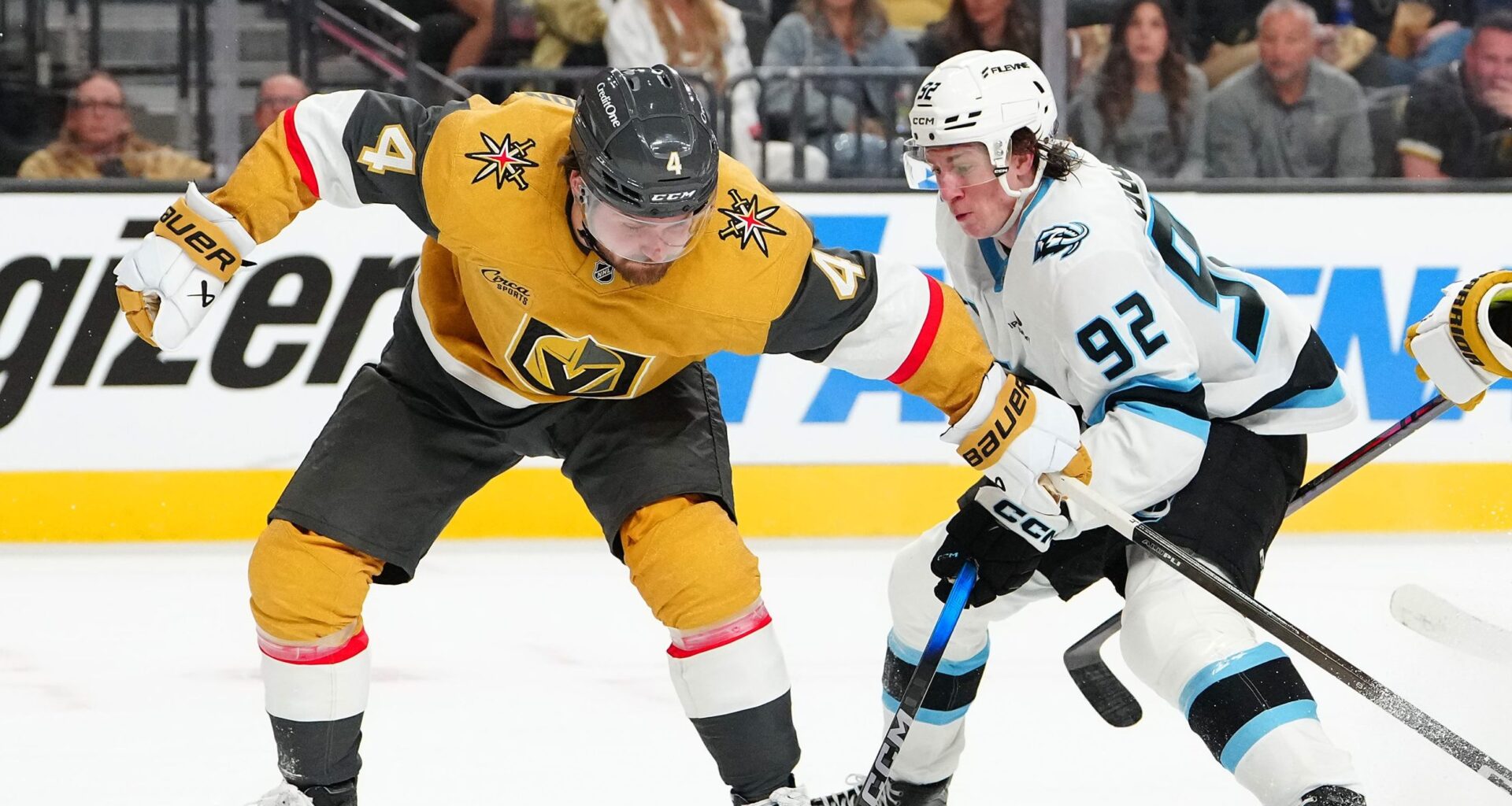
With the shutdown of the FanDuel-branded regional sports networks, the age of cable-based local sports networks is coming to an end. And to the delight of many fans, teams across the NHL and NBA have turned to over-the-air networks to broadcast games.
The collapse of the regional sports network model has forced teams to rely on local over-the-air broadcast networks as revenue from cable has dried up. But can local sports on over-the-air networks fully supplant the old regional sports network model?
Gray Media and the E. W. Scripps Company, which combine to own 287 over-the-air stations in the United States, have been at the forefront of this shift.
Gray Media began transitioning stations into over-the-air regional sports networks in 2022, shortly before Diamond Sports Group filed for bankruptcy in 2023. Gray now operates 14 “sports and entertainment” networks across the United States. Locally, the company holds the exclusive rights to the Phoenix Suns and New Orleans Pelicans on these over-the-air networks.
Scripps, which also owns the national Ion network, launched its Scripps Sports division in 2022. The company now holds the exclusive local rights to five NHL teams: the Utah Mammoths, Vegas Golden Knights, Florida Panthers, Tampa Bay Lightning, and Nashville Predators. For many of these teams, Scripps has turned the team’s flagship station into an independent network under its “The Spot” branding.
But Gray and Scripps have taken markedly different approaches. Gray’s networks feature a hodgepodge of local teams — from Minnesota Duluth hockey on the North Star Sports and Entertainment Network in Minnesota, to 25 Braves games on the Peachtree Sports Network in Georgia, and the exclusive local rights to the Phoenix Suns and Mercury on Arizona’s Family Sports.
Wherever Gray can acquire sports, it does. With more baseball teams simulcasting at least 10 games over-the-air each season, coupled with Gray’s reach and willingness to program live sports, 13 MLB teams now have games airing locally on Gray stations in at least one market.
Scripps, on the other hand, has focused heavily on exclusivity. Scripps Sports President Brian Lawlor told Awful Announcing that this was a deliberate decision.
“We see great economics, and we see great consumer value in us … being the partner to the team, doing all the production, selling all the sponsorships, and fully distributing the games.”
 Scripps Sports president Brian Lawlor (Photo by Malinda Hartong, The Hartongs)
However, Gray’s strategy suggests a different path. It’s a more limited investment in Minnesota Duluth coverage, which it does not directly produce, but it has still proven to be a strong viewership draw for the network.
The economics of over-the-air sports will ultimately determine the staying power of these deals. With Scripps and Gray’s efforts only four or so years old, the industry remains in the early stages of this model.
The model certainly isn’t perfect. Since the end of March, Scripps stations have not been available on Comcast due to a dispute over distribution fees. According to John Ourand of Puck, the dispute centers on Scripps’ new sports-focused networks. Comcast has long pushed for regional sports networks to be moved to higher-priced cable tiers, and is unlikely to let over-the-air channels replicate the economics those cable networks once enjoyed.
Still, Lawlor points to early evidence that the Scripps model is working. “We saw that the Golden Knights, in their first season, doubled their ratings … double the ratings means more advertising and bigger sponsorships.”
But a model that works for Scripps does not necessarily translate to teams. While viewership has increased, media rights revenue has taken a hit.
The Dallas Mavericks, which moved from a cable regional sports network to a local over-the-air deal with Tegna, reportedly saw a decrease in annual rights revenue of about $50 million, according to Sports Business Journal. That represents the higher end of revenue losses. The Utah Jazz and Phoenix Suns, which made similar moves, reportedly saw decreases closer to $20 million.
Those declines come as both MLB and the NBA appear increasingly likely to pursue a potentially lucrative centralized regional sports network model. Under that structure, a national streaming service, such as Amazon’s Prime Video, would hold local rights. Instead of each team negotiating independently, the NBA and MLB would bundle most or all teams nationally, a shift that could boost local media revenue for small-market franchises.
Lawlor believes that approach would come at a cost to viewers. “You’re almost back to the RSN, where there’s a whole lot of people not on those platforms.”
A streaming RSN risks increasing fragmentation at a time when fans are already frustrated by the number of subscriptions required to follow their teams. By contrast, over-the-air broadcasts remain widely accessible, whether through a basic cable package or a $20 antenna. When the Phoenix Suns, the first NBA team to move entirely to over-the-air broadcasts, announced the shift, the franchise cited expanded reach as the driving factor.
Teams are unlikely to publicly frame the economics of over-the-air as a failure. Still, despite declines in rights fees, not a single NBA or NHL team that has moved to over-the-air since 2022 has returned to cable. That said, the NBA’s interest in a streaming RSN model looms large.
A broader shift to streaming by MLB and the NBA could ultimately benefit the NHL, the league most closely aligned with Scripps and the only one without persistent rumors of an impending streaming RSN. The NHL’s comparatively lower popularity limits the value of its local rights, but Gray’s results suggest that demand for local sports extends beyond the top-tier leagues.
Whatever the future holds for over-the-air sports, leagues will need to strike a balance between economics and accessibility. The league that prioritizes reach over revenue may gain a long-term audience advantage—but not without significant financial tradeoffs.