
MORGAN, Utah (KUTV) — Communities across Utah are tightening water use and exploring new conservation strategies as drought conditions persist statewide.
In Morgan County, officials are taking a proactive approach by rethinking how public spaces are landscaped and maintained, with an emphasis on reducing water consumption.
“It’s probably the worst I can remember,” said Bret Heiner, Morgan County’s public works director, reflecting on the region’s dry winter marked by below-average snowfall and rainfall.
MORE | Weather
To combat the shortage, the county has increasingly turned to “dryscaping,” replacing traditional grass with rock and drought-resistant landscaping in key areas. The effort has expanded in recent years as water concerns have intensified.
“In the last couple of years, we’ve intensified it because I think there is a need to slow down water use,” Heiner said.
The shift is already producing results. Areas converted to rock landscaping require no irrigation, allowing the county to scale back its watering systems significantly.
“We think they look great, and there’s zero watering in those spots, so we’ve shrunk our watering system,” Heiner added.
Despite early-season greenery, officials warn that challenges lie ahead, particularly as public parks see increased use during warmer months.
“The biggest challenge is going to be how much the park is used,” Heiner said. “People are going to have to be a little patient with us if the grass is a little drier.”
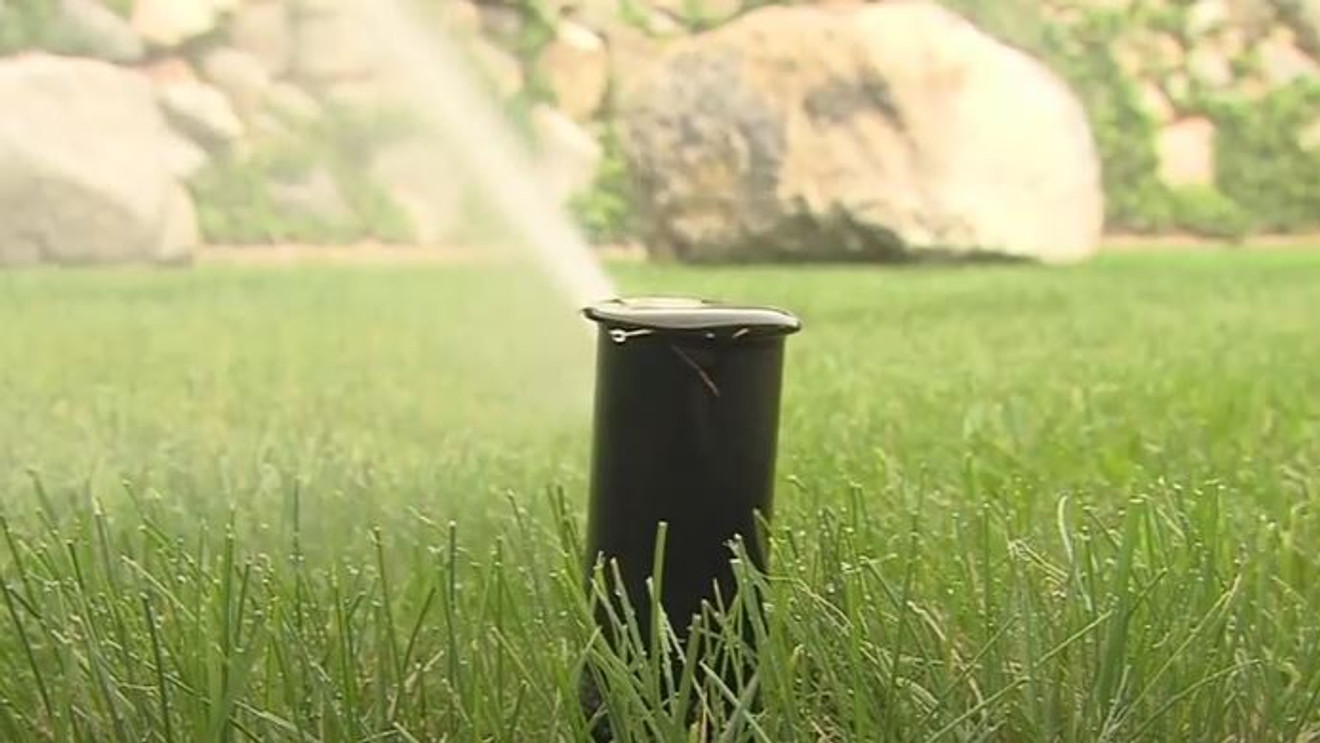
In addition to dryscaping, the county is delaying the start of its irrigation season for as long as possible, potentially pushing watering back until June if weather conditions allow. Officials have also upgraded to smart irrigation systems that automatically shut off during rainfall, helping prevent unnecessary water use.
“We’ve changed our watering system to smart watering tied to a weather app, so if it rains, our system shuts off,” Heiner explained.
County leaders are encouraging residents to adopt similar conservation practices at home.
“I think that’s a great idea — they should be saving water,” said one local resident.
With hopes pinned on upcoming storms, residents and officials alike are aiming to preserve water supplies for as long as possible. For now, many are prepared to accept drier lawns in exchange for long-term sustainability.
_____