
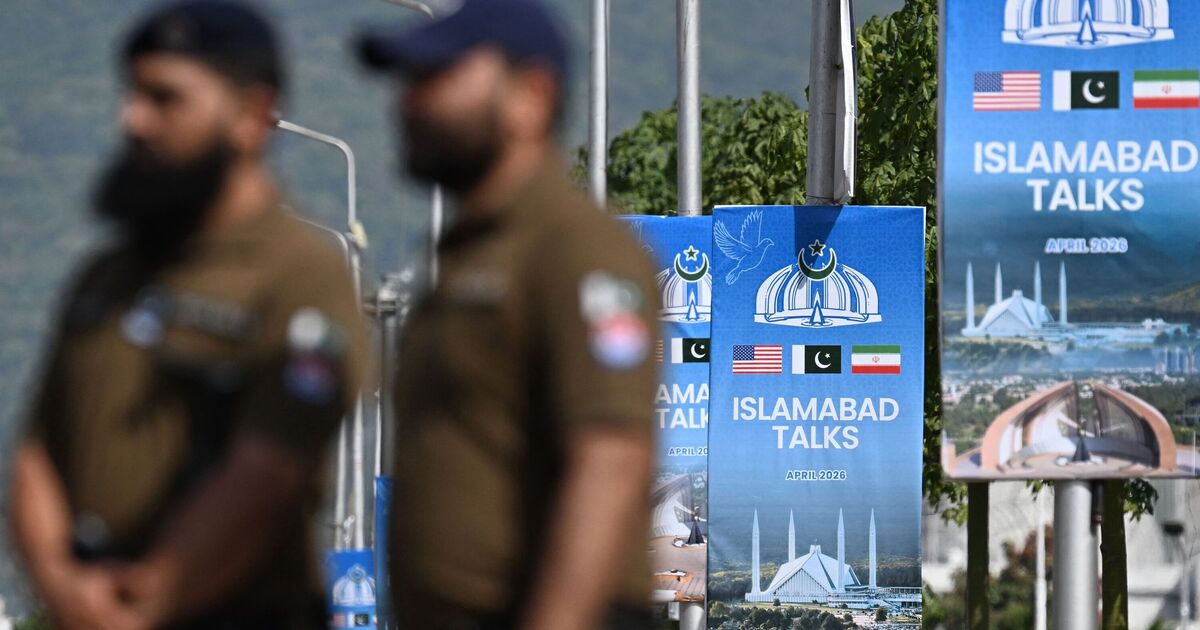
Pakistani officials have deployed extra security forces to the capital city for potential talks (Image: Getty)
Two regional officials confirmed that Washington and Tehran have signaled that they will participate in a fresh round of ceasefire negotiations in Islamabad, according to The Associated Press.
Top negotiators from both nations—including U.S. Vice President JD Vance and Iran’s parliamentary speaker and top negotiator Mohammad Bagher Qalibaf—are slated to arrive in Islamabad early Wednesday, according to Pakistan-led mediators, per The Associated Press. Officials in Pakistan have been encouraging spectators not to get attached to any timelines as plans remain in flux. An exact time for talks has not been publicly agreed upon at press time.
The warring nations entered a two-week ceasefire agreement on the evening of April 7, which means the deadline would expire this evening, Tuesday, April 21.
U.S. President Donald Trump announced Monday afternoon that he would extend the deadline by a day to give negotiators more time to reach an agreement. He told Bloomberg News, however, that he is “highly unlikely” to renew the ceasefire.
Trump also went on to vaguely accuse Iran of “violating” the ceasefire “numerous times” via Truth Social on Tuesday morning, without providing any specific examples.
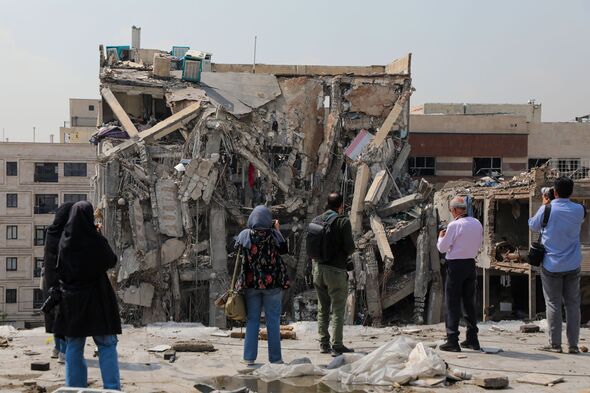
More than 3,350 people in Iran have been killed in the war, according to officials (Image: Getty)
The president has issued a flurry of contradictory statements about Iran over the past few days and weeks, sparking confusion about the status of ceasefire negotiations.
He threatened Sunday via Truth Social to “knock out every single Power Plant, and every single Bridge in Iran” if they did not accept a deal, while also threatening to “obliterate” Iran’s nuclear program.
Yet, just days before, Trump told reporters that Iran had “agreed to everything,” including the removal of their enriched uranium.
However, Iran’s foreign ministry spokesperson Esmaeil Baghaei rejected Trump’s claims. He said, “Enriched uranium is as sacred to us as Iranian soil and will not be transferred anywhere under any circumstances,” adding that “transferring uranium to the United States has not been an option.”
Iranian officials have previously vowed that the nation does not seek nuclear weapons, but have been fiercely opposed to restrictions on their uranium enrichment or ballistic missile programs.
Greater confusion around Iran’s nuclear program came after Trump doubled down on U.S. operations in Iran last June, having caused “a complete and total obliteration of the Nuclear Dust sites in Iran” via Truth Social on Monday.
Officials have reportedly expressed frustration behind closed doors about Trump’s social media tactics, which they feel have undermined ongoing talks.
“The Iranians didn’t appreciate POTUS negotiating through social media and making it appear as if they had signed off on issues they hadn’t yet agreed to, and ones that aren’t popular with their people back home,” an insider told CNN.
“We do not accept negotiations under the shadow of threats,” Qalibaf wrote Tuesday on X, adding that Iran is preparing “to reveal new cards on the battlefield.”