
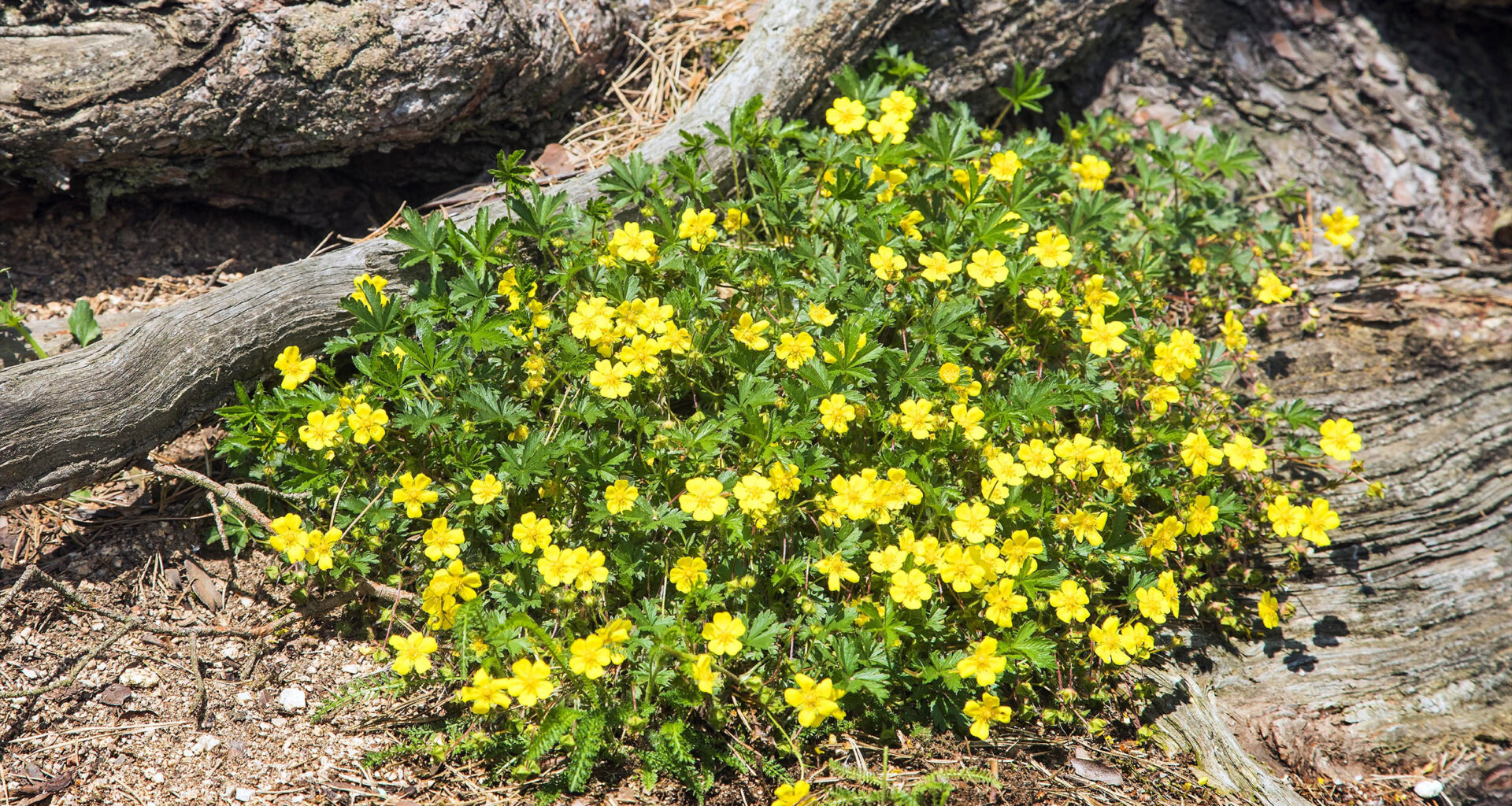
Tormentil is the kind of plant people used to swear by. A small yellow wildflower that grows in bogs and heathland across the UK, Ireland, and much of Europe, it has long appeared in traditional remedies for pain and infection.
Now a new study suggests the folklore wasn’t just wishful thinking. Scientists say tormentil can slow the growth of a dangerous, drug-resistant bacterium and may even help boost the performance of a last-resort antibiotic.

A research team led by the University of Southampton tested bogland plants for antimicrobial activity.
The results point to tormentil as a promising candidate for future drug development, at a time when antibiotic resistance is making some infections harder and harder to treat.
Hunting in Irish bogs
The project started with a wide net. Researchers examined 70 bogland plant species from across Ireland, looking for compounds that might inhibit bacteria.
The idea was simple: bogs are harsh environments, and plants that survive there often produce strong chemical defenses. Those defenses can sometimes translate into antimicrobial activity in the lab.
Out of the plants screened, tormentil stood out for its effects against Acinetobacter baumannii, a multidrug-resistant bacterium that the World Health Organization (WHO) has listed among its top priority pathogens.
It’s a particularly feared hospital-associated germ, known for causing serious infections and shrugging off many commonly used antibiotics.
Tormentil and antibiotic resistance
Acinetobacter baumannii is a major problem in healthcare settings, especially for patients whose immune systems are already weakened.
It can cause wound infections, respiratory infections, and urinary tract infections. The article notes the pathogen is responsible for about 50,000 deaths annually worldwide.
Part of what makes it so dangerous is its resistance profile. When standard antibiotics fail, doctors sometimes turn to colistin, a drug often described as a last line of defense. If bacteria become resistant to colistin too, options can become painfully limited.
That’s why the team’s findings attracted attention. They didn’t just see antimicrobial activity from tormentil. They also found signs it could support colistin’s effectiveness.
Helping existing drugs work better
“It was extremely exciting to discover that this particular plant was inhibiting growth of this pathogen, and especially interesting because there is a long historical use of this plant in medicine to treat infection,” said senior author Ronan McCarthy from the University of Southampton.
“Colistin is a last resort antibiotic, it’s our last line of antibiotic defense. When a pathogen is resistant to that there are few other options.”
“We have discovered that there is potential for tormentil to increase the efficacy of colistin to prolong its effectiveness and make it work better.”
That point matters. A lot of people imagine “new antibiotics” as the only solution to resistance. But another strategy is helping existing drugs work longer by pairing them with compounds that weaken bacteria or make them more vulnerable.
Plants rooted in traditional knowledge
Tormentil’s folk reputation is old. The plant, with buttercup-like yellow flowers, appears in Irish and other European traditions, and its name is tied to the “torment” of pain it was believed to relieve.
“This study underscores the value of revisiting plants long rooted in traditional knowledge and folklore and shows us that nature still has much to teach us,” said project co-lead John J. Walsh, a professor at Trinity College Dublin.
Historically, tormentil was used in a variety of ways. The article mentions remedies recorded as far back as the 1850s, including roots boiled in milk for colic in children, and roots used for toothache, wounds, and stomach issues.
McCarthy argues the plant’s historical use wasn’t random.
“We have uncovered historically why tormentil was used – and it wasn’t used by accident. Granted, tormentil was not as efficacious as modern medication, but in the 1850s, for example, options were fairly limited.”
“There is evidence it was used for oral issues such as gum disease, and for gastrointestinal issues. Its use by physicians would have faded with the advent of modern medicine and antibiotics in particular.”
In other words, tormentil likely worked well enough to earn a place in old medicine, but was gradually replaced once pharmaceuticals offered stronger and more reliable options.
How does the compound work?
One of the most valuable parts of this study is that it didn’t stop at “the plant seems to do something.” The team dug into which compounds were responsible and what the mechanism might be.
They identified two compounds, agrimoniin and ellagic acid, as active against the pathogen. The way they work is especially interesting: they appear to starve the bacteria of iron. Iron is essential for many microbes. If a bacterium can’t access it, it struggles to grow and function.
“This study is particularly exciting because we have established not only that tormentil works, but how it works and why it works,” McCarthy said.
“It was a big hurdle to overcome to establish exactly what is responsible for the antimicrobial activity.”
“Then we established that the plant grabs iron out of the environment and starves the bacteria. When we fed iron back in, we reversed the activity, confirming that the iron was responsible.”
They also found that the roots, flowers, and leaves contain enough of these compounds to be effective, which suggests the antimicrobial activity isn’t restricted to one tiny part of the plant.
Consistency across bogs
Another detail that strengthens the case is that tormentil collected from three different bogland areas in Ireland – Wicklow, Kerry, and Tipperary – showed the same antimicrobial activity.
That kind of consistency matters if anyone ever wants to turn a plant-based discovery into a reproducible product.
“When we started the bogland biodiscovery project, we hoped to find some meaningful activities in the species we investigated,” said co-lead author Helen Sheridan from Trinity College Dublin.
“Ethnomedical leads such as ‘Gargling with powdered tormentil infused in water makes loose teeth take hold again, by Johann Kúnzle (1857–1945),’ inspired us to look for antibacterial effects, and thus we reached out to the McCarthy group as leaders in the field for what has been a wonderfully successful collaboration.”
Future research directions
No one is saying people should start self-medicating with wildflowers. Turning a plant compound into a safe, effective treatment is a long process, and bacteria don’t behave in a human body the same way they behave in a lab dish.
But the result is still a big deal: a plant known for centuries as a remedy shows real antibacterial activity against a modern “superbug,” and the mechanism is clear enough to guide further work.
“The promise for tormentil is really exciting. There is a lot of exciting work to do now to translate these findings into medications that could potentially benefit patients,” McCarthy said.
In a world where antibiotic resistance keeps tightening the screws, it’s hard not to appreciate the irony. One possible clue for the future may have been sitting in the bogs the whole time.
The study is published in the journal Microbiology.
—–
Like what you read? Subscribe to our newsletter for engaging articles, exclusive content, and the latest updates.
Check us out on EarthSnap, a free app brought to you by Eric Ralls and Earth.com.
—–