

A disease like chronic fatigue syndrome, also known as myalgic encephalomyelitis (CFS/ME), can fundamentally change a person’s life.
Researchers at Iowa State University have now collected the memorial records of 505 people who died with CFS/ME to paint a picture of what life is like for millions of patients worldwide.
The team’s hope is to gain “a deeper understanding of the lived experiences and deaths of those with ME/CFS.”
In total, four major themes emerged from the words of family and friends, which were publicly available from the National Chronic Fatigue and Immune
Dysfunction Syndrome Foundation memorial page.
The themes were: systemic neglect and institutional failure, clinical neglect and failure, social disconnection, and personal burden.
The deceased individuals did not necessarily die from CFS/ME, but the disease seemed to have a significant impact on their quality of life, whether it be through functional impairments, financial stress, or mental health.
Some family and friends also recounted the impact the disease had on their loved one’s death.
“Some shared hope and remembrance of the progress that the deceased individuals sought,” write kinesiologist Zoe Sirotiak and psychologist Hailey Amro in their review, “while others shared anguish, grief, and anger at the systems that they perceived as contributing factors to the lived experience and often death of individuals with ME/CFS.”
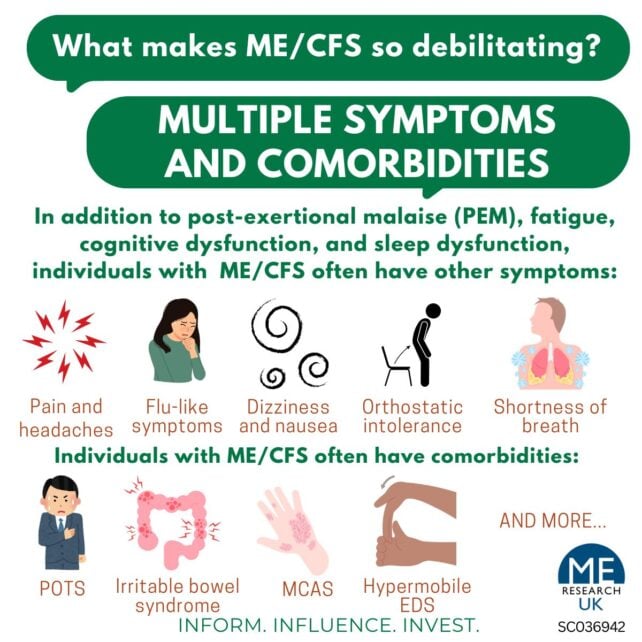 ME/CFS symptoms. (ME Research UK)
For many years, CFS/ME was not accepted as a ‘biological‘ disease, as no markers of the disease could be found in the body.
As such, patients with CFS/ME have been historically told that their symptoms are psychosomatic.
Today, we know better. While there is still no clear and accepted diagnostic tool, there are unambiguous signs that CFS/ME is a biological disease, with real and measurable impacts on the brain and body.
Nevertheless, research on CFS/ME is not proportionate to how many patients are impacted or how much their lives are affected. To be commensurate with the true burden of the disease, experts suggest the US National Institutes of Health (NIH) would need to increase research funding by 40-fold.
Unsurprisingly, hopelessness and frustration over a sheer lack of resources were common emotions raised in the recent review.
The memorial entries reported that patients faced substantial institutional obstacles to acknowledgment and lacked appropriate financial investment. They also described struggles with inadequate payment from insurance companies, as well as obtaining legal disability status.
Isolation and loss of friendships were common challenges. Memorial entries frequently described a lack of competent health care and dismissal by family members and close acquaintances.

“The substantial challenges faced by individuals with ME/CFS have been suggested to influence suicide risk, and our analysis supports this conclusion,” Sirotiak and Amro write.
“The entries on the memorial list illustrated the contexts in which individuals died by suicide, often noting contributing factors such as hopelessness, pain, social isolation, loss of independence, and dismissal or poor treatment by healthcare providers.”
Related: Brain Pattern Reveals Why Chronic Pain Leads to Depression
To illustrate the immense impact the disease can have on someone’s life, Sirotiak and Amro end their review reflecting on one father’s words:
“Her father … was quoted saying his daughter lived with ‘intractable and unrelenting pain’ and, though he certainly was not happy to see his only child die, ‘There are things in this world worse than death.'”
The study was published in PLOS One.
If this story has raised concerns or you need to talk to someone, please consult this list to find a 24/7 crisis hotline in your country, and reach out for help.