
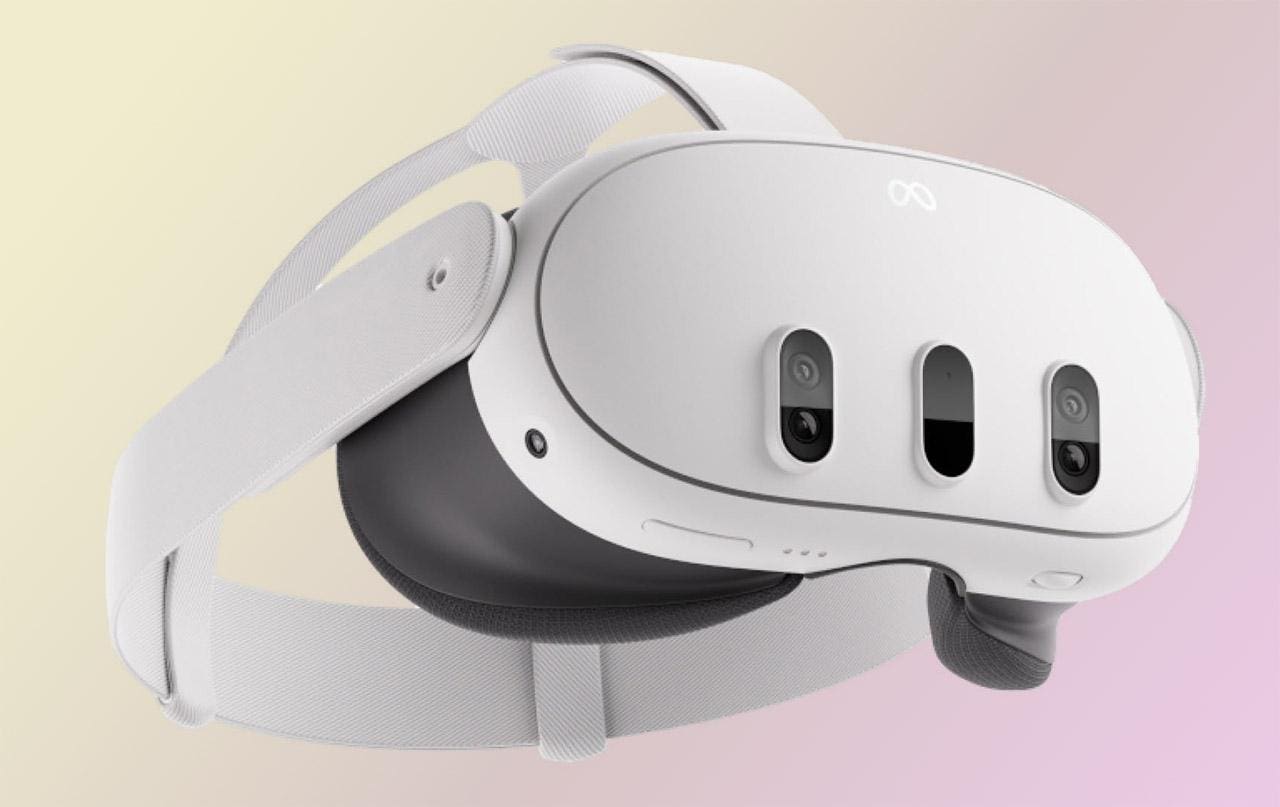
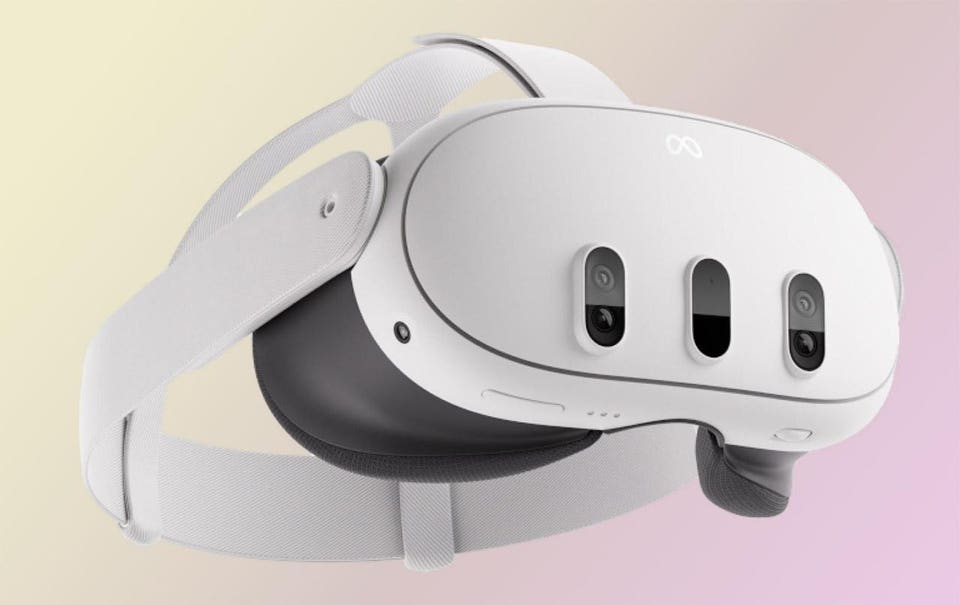
Meta has announced price rises across its VR headset range, with the Meta Quest 3 jumping $100 from $499 to $599.
This hike kicks in from April 19, as Meta announced on its blog.
The Meta Quest 3S models each rise by $50, to $349 for the 128GB edition and $449 for the 256GB version.
Like so many recent increases in other areas of consumer tech, you can blame the rising cost of components for this change, which is in part caused by the rapid expansion of AI infrastructure.
“The global surge in the price of critical components — specifically memory chips — is impacting almost every category of consumer electronics, including VR,” says Meta.
“To keep delivering the quality of hardware, software, and support you expect from the Quest platform, we need to adjust our pricing.”
Pricing changes for other countries are coming into effect too.
At the time of writing, the Meta Quest headsets are still available at the lower price from online retailers.
One of the more high-profile recent price jumps of this type was the PlayStation 5, which jumped $100 from $549.99 to $649.99 on April 2.
This base console, with disc drive, originally launched at $499.99 in 2020.
The situation is somewhat less bad on the Meta side, as the Meta Quest 3 (512GB) launched at $649.99 in 2023. This price represents a return to the original cost, rather than leapfrogging over it.
The current Meta Quest series headsets are getting on a bit, but there is still no new comparable headset from Meta on the horizon. Recent leaks point to a device with a separate enclosure for the processor and battery, which should allow for a significantly lighter and trimmer headset part.
It’s not expected to land before 2027, and that sort of gap leaves plenty of time for plans to change again.
Meta’s current focus has moved away from VR somewhat, to smart glasses.
While today’s popular Ray-Ban Meta Wayfarer pair relies on audio and haptic feedback rather than a display, Meta did release a chunkier Ray-Ban Display pair with in-vision screen last year. And it announced its Orion augmented reality concept pair, which it called the “most advanced pair of AR glasses ever made,” in September 2024.