
With spring in full swing, black bears are emerging from their dens. An estimated 12,450 black bears call Michigan home.
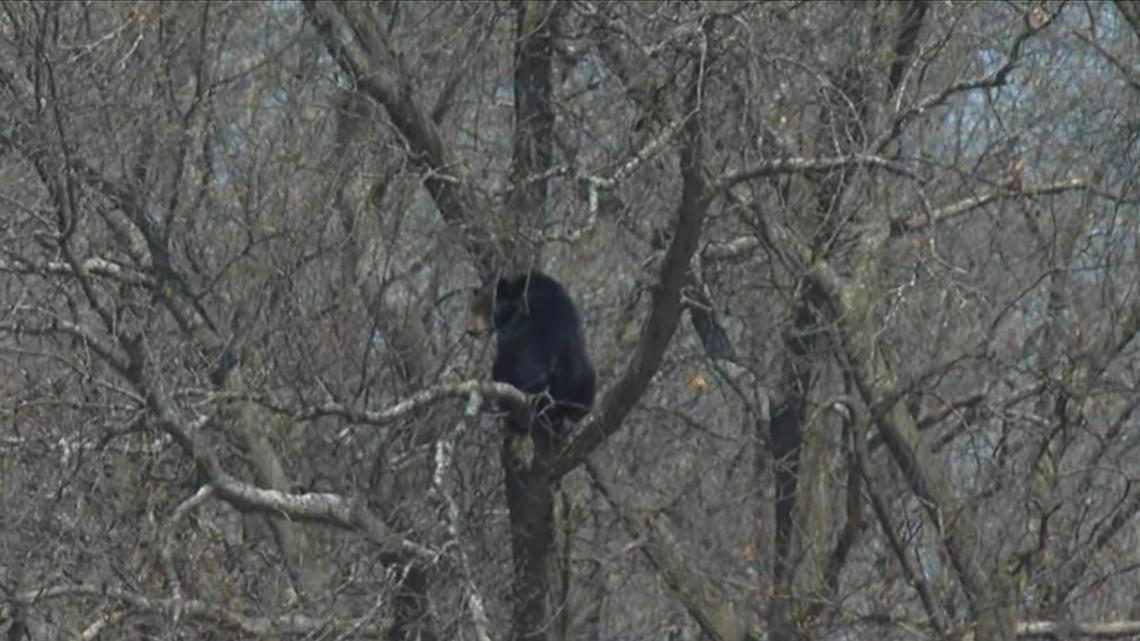
MUSKEGON, Mich. — Neighbors in Muskegon on Thursday noticed a black bear in a tree near a manufacturing plant, prompting calls to the Michigan Department of Natural Resources.
The bear climbed a tree behind the Honeywell plant off of Laketon Avenue near Harvey Street in Muskegon. The DNR believes this may be the same bear that’s been spotted recently in Spring Lake.

This story continues below.
The DNR and other local law enforcement agencies were on scene to help move traffic as people stopped along the street to see the bear and also to make sure people gave the bear space.
Last week, locals in Georgetown Township reported seeing a black bear on home security cameras.
An estimated 12,450 black bears are emerging from their dens this spring.
Though bears mostly call the Upper Peninsula home, a 2024 DNR survey determined more than 2,000 bears live in the Lower Peninsula. This small population is concentrated in the northern part of the peninsula, although officials said bears have been pushing south into urban areas of mid-Michigan.
“Michigan is bear country,” said Jared Duquette, human-wildlife interactions specialist for the DNR. “And as bears come out of their winter dens, it’s important to remember that we can live responsibly with these magnificent animals and avoid conflicts by following some basic best practices. Take down bird feeders, especially in the spring and summer, clean grills after use, don’t leave pet food outside and wait until collection day to put your trash out.”
Michigan DNR shared these reminders:
Bears have an extraordinary sense of smell and memory. They can smell food from a mile away and remember food locations for years, including that backyard bird feeder or grease-spattered grill.When bears get used to human-associated food sources, they are more apt to roam neighborhoods — not flee when harassed by people — and even break into homes and outbuildings for food.A bear raiding your bird feeder is not cause to contact the Michigan Department of Natural Resources to request the animal be relocated. Remove the bird feeder for at least two weeks and the bear should stop coming around and move on to other food sources. Talk to your neighbors about taking the same action.You’re asked to avoid approaching bears, and if you spot one that is acting aggressively or poses an immediate threat, call 911.
To learn more about preventing conflicts with bears, visit BearWise or Michigan.gov/Wildlife or contact the DNR Wildlife Division at 517-284-9453.