
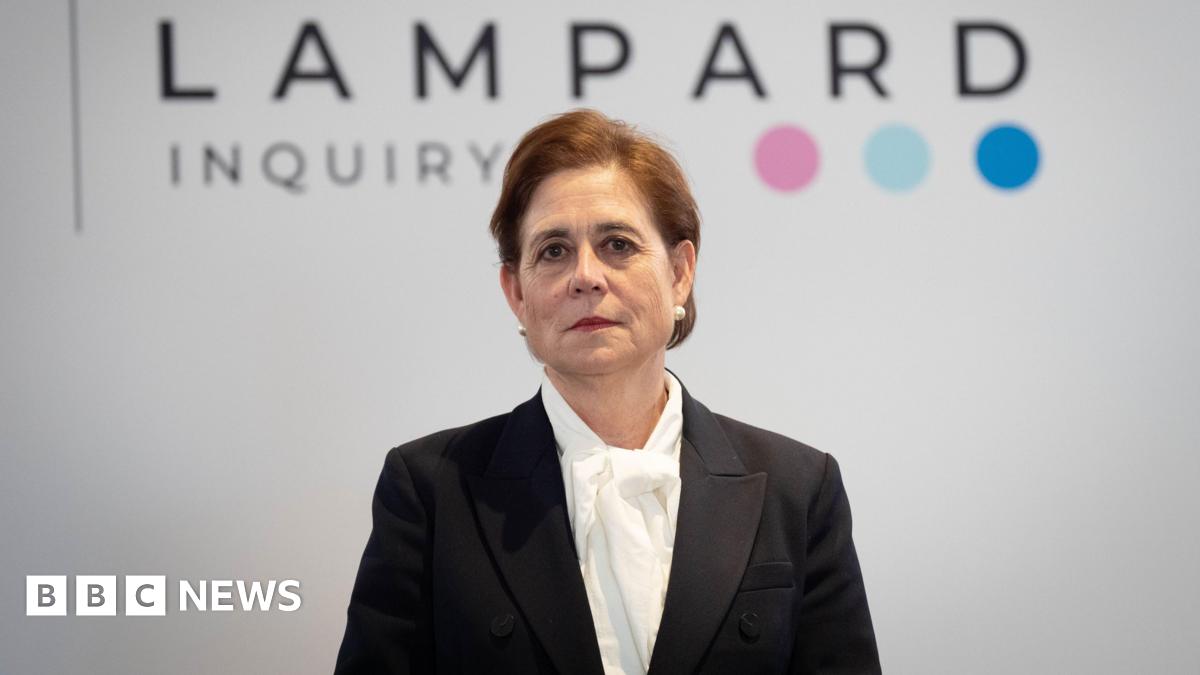
A statement put out by the inquiry said: “The hearing has been refocused, principally in response to emerging evidence and areas requiring the inquiry’s urgent attention, and partly due to ongoing issues relating to EPUT’s engagement with the inquiry”.
Baroness Lampard will focus on five key areas in the July hearing, including the ongoing use of the remote monitoring system called Oxevision.
Infra-red cameras installed in patients’ bedrooms can track their pulse rates by detecting “micro-blushes” of the skin – invisible to the naked eye – as well as their breathing rates by watching the rise and fall of a patient’s chest.
A camera can also take images and provide a clean video feed of up to 15 seconds.
Alerts and warnings are meant to be sent to staff’s computers and tablets in the case of an emergency.
The inquiry also heard the issue of resuscitation was an “emerging area of concern arising from multiple accounts”, and would hear evidence on this issue in July.
More bereaved families would be invited to give evidence, as well as core participants.
Baroness Lampard said that, subject to what she heard this summer, she would “not hesitate to make interim recommendations for change”.