
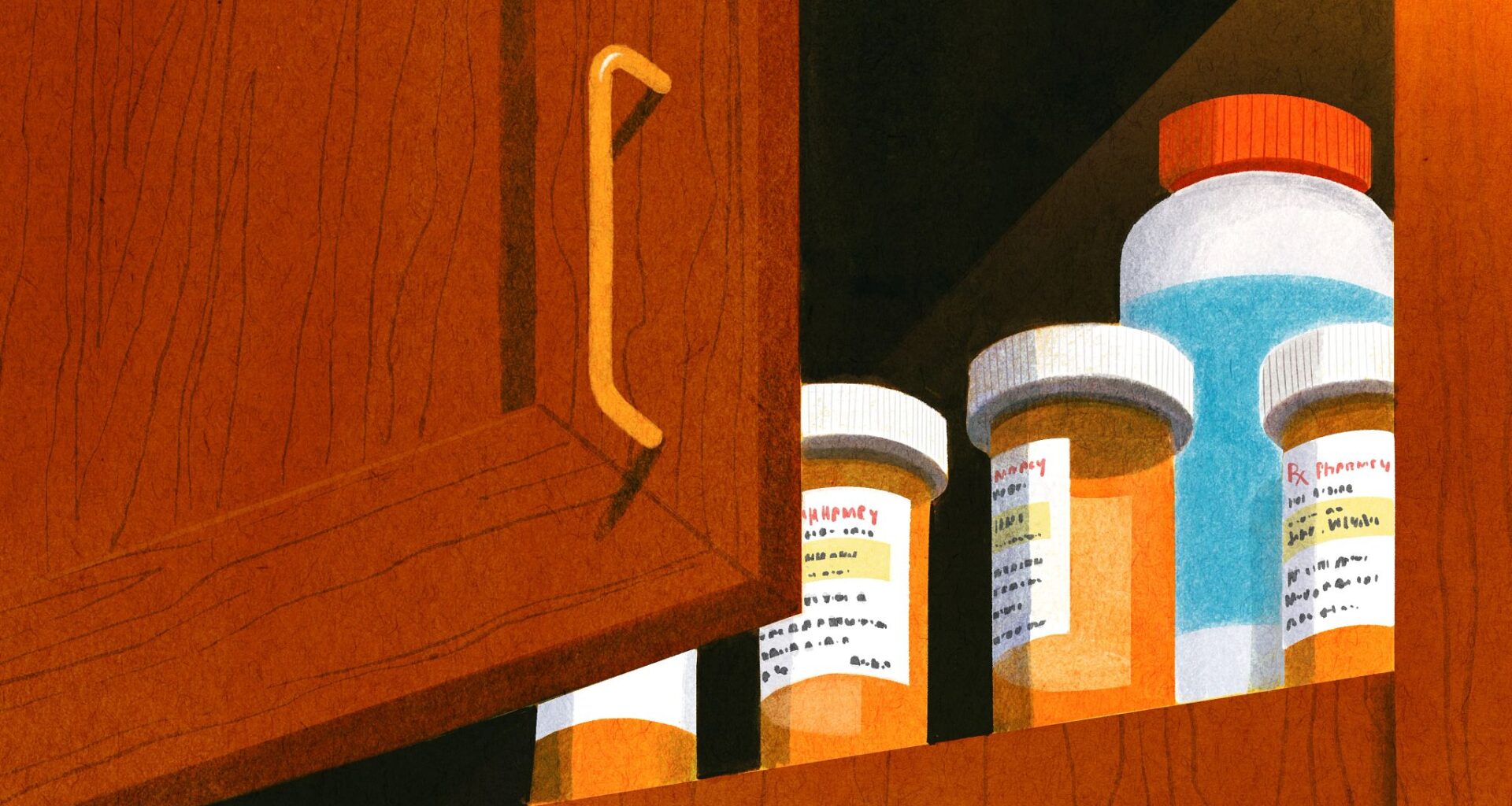
The center, “core area” of the fridge is ideal, Harriott says, but make sure that the medication is “well packaged so that it’s not mistakenly dropped and broken and spilled, or taken inappropriately by someone else just because it’s easily accessible.”
But don’t keep any medications in the fridge unless the drug’s instructions or your pharmacist tells you to. The cool temperature may degrade some drugs.
Leave chilled injectable drugs at room temperature for about 15 minutes before using them, as injecting cold medicines can be painful, Schuh says.

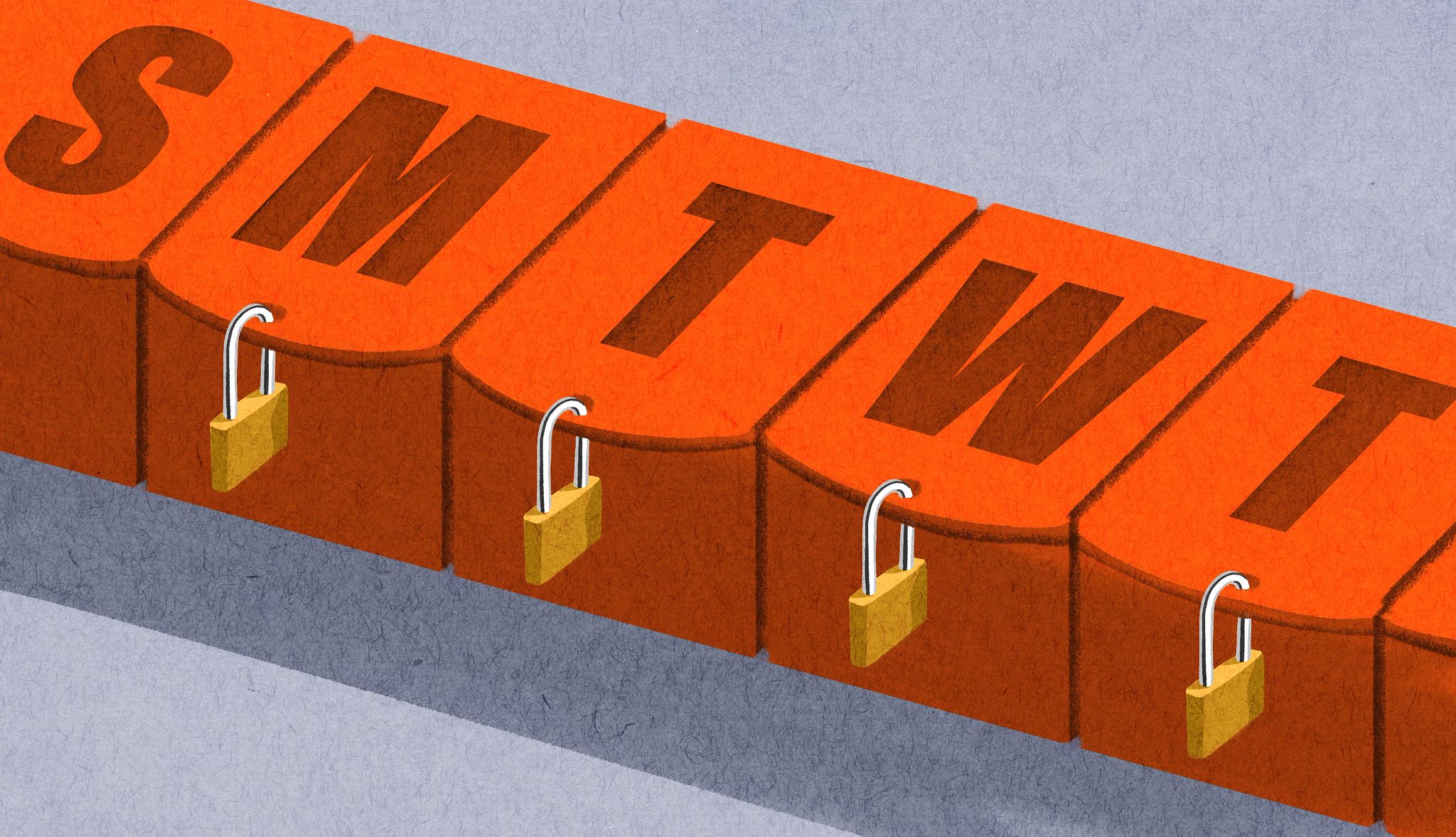
Drugs that are commonly abused, such as opioids, anti-anxiety medications and stimulants, should be locked up.
Ryan Johnson
Consider locking up your drugs
If you take drugs that are commonly abused, such as opioids, anti-anxiety medications or stimulants, storing them in a locked safe or a box that can’t be moved is a good idea, especially if you’re concerned someone might take them, Harriott says.
However, she doesn’t recommend locking up emergency-response medications, such as asthma inhalers or epinephrine autoinjectors, that you might need quickly.
Another reason to lock up your medicines is for “extra security” when others live in your household, or if friends and family visit regularly, Tantipinichwong says. Or if children visit, adds Schuh.
Keep track of expiration dates, and clear out regularly
The U.S. Food and Drug Administration (FDA) requires all prescription and over-the-counter drugs to display an expiration date. It’s printed somewhere on a box or bottle of an OTC medication, and on the pharmacy’s label for a prescription. Groves emphasizes the importance of following expiration dates, since products are tested to ensure they’re safe and effective until that date.
Over time, medications can degrade, even if they’re stored properly, so an expired drug may not be as potent or effective, Schuh explains. Expired eye drops, for instance, can become unsterile and contaminated, leading to eye infections and other conditions.
With expired drugs, “your dose may not be really the dose that you’re expecting,” Harriot says, so “it’s not working as well as you would anticipate.”
For example, insulin, epinephrine autoinjectors and nitroglycerin (to treat chest pain) might not work in life-saving situations, creating a dangerous situation, Schuh says. Tantipinichwong adds that taking expired antibiotics may not fully treat an infection and could instead lead to antibiotic resistance. Another issue is that some medications can become toxic past the expiration date, Schuh says, such as the antibiotic tetracycline (Doxycycline), which, if taken past its expiration date, can lead to kidney damage in some people.
If an expiration date is worn off or you can’t read it, Harriott says to “get something new, just to be safe.”
Take medications as directed
Groves emphasizes that you should follow dosing instructions to effectively and safely treat your medical condition or symptoms. That applies to both prescriptions and OTC drugs.
“Over-the-counter medications are much more accessible and convenient, but they’re not without risks,” she says.
Acetaminophen (best known as Tylenol) overdoses are responsible for thousands of emergency room visits, hospitalizations and deaths each year, mainly because people perceive it to be safe — and it is for most people when taken properly, according to the FDA. But many people take too much acetaminophen. Harriott says it’s a common ingredient in OTC cold medicines, which some may pair with a pain reliever. That combo could potentially lead to an overdose and cause liver damage.
Ibuprofen (commonly sold under the brand name Advil) and other nonsteroidal anti-inflammatory drugs (NSAIDs) can have similar effects, Groves adds. Long-term use or exceeding the recommended dose could cause kidney damage and stomach ulcers.
Harriott adds that if you have ongoing pain and take OTC pain relievers regularly, ask your doctor if there’s a less potentially harmful solution. If you’re prescribed antibiotics for an infection, finish the course unless your doctor tells you otherwise, Groves emphasizes. Not doing so means the infection won’t be treated effectively and could return. It may also lead to antibiotic resistance, which Tantipinichwong says is a “huge issue for us right now.”
Also, be cautious about cutting pills, crushing tablets or opening capsules. Some medications are labeled as “extended release” and shouldn’t be cut or crushed, or you risk an overdose, Schuh says. Pills that are scored, however, can often be split in half.
In general, it’s best to check a product’s instructions, which Schuh says will usually indicate whether the medication is safe to cut or crush. Check with your pharmacist if you’re still not sure.