
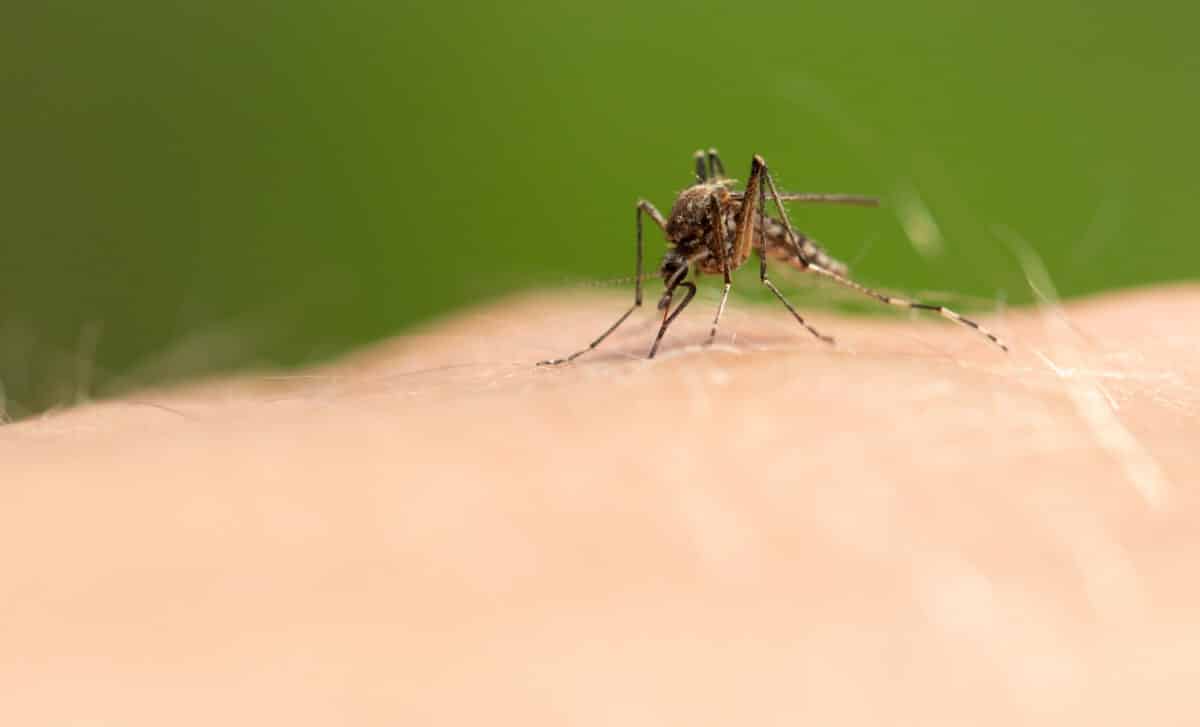
For decades, Iceland stood apart as one of the very few places on Earth where mosquitoes could not establish themselves. Low temperatures and unstable winter cycles created conditions that disrupted their life cycle, preventing long-term survival.
That barrier now appears to have weakened. The confirmation follows the capture and identification of three mosquitoes belonging to the species Culiseta annulata, signaling a change scientists had long considered unlikely.
A Chance Discovery Confirms Long-Suspected Arrival
The finding began with a routine observation. Insect enthusiast Björn Hjaltason noticed what he described as a “strange fly” during a wine roping session on October 16, a method commonly used to attract moths.
“I immediately suspected what was going on and quickly collected the fly. It was a female,” Hjaltason said. Days later, two additional specimens, one male and another female, were identified. According to the Natural Science Institute of Iceland, the insects were confirmed as mosquitoes, marking the first verified presence of the species in the wild on the island.
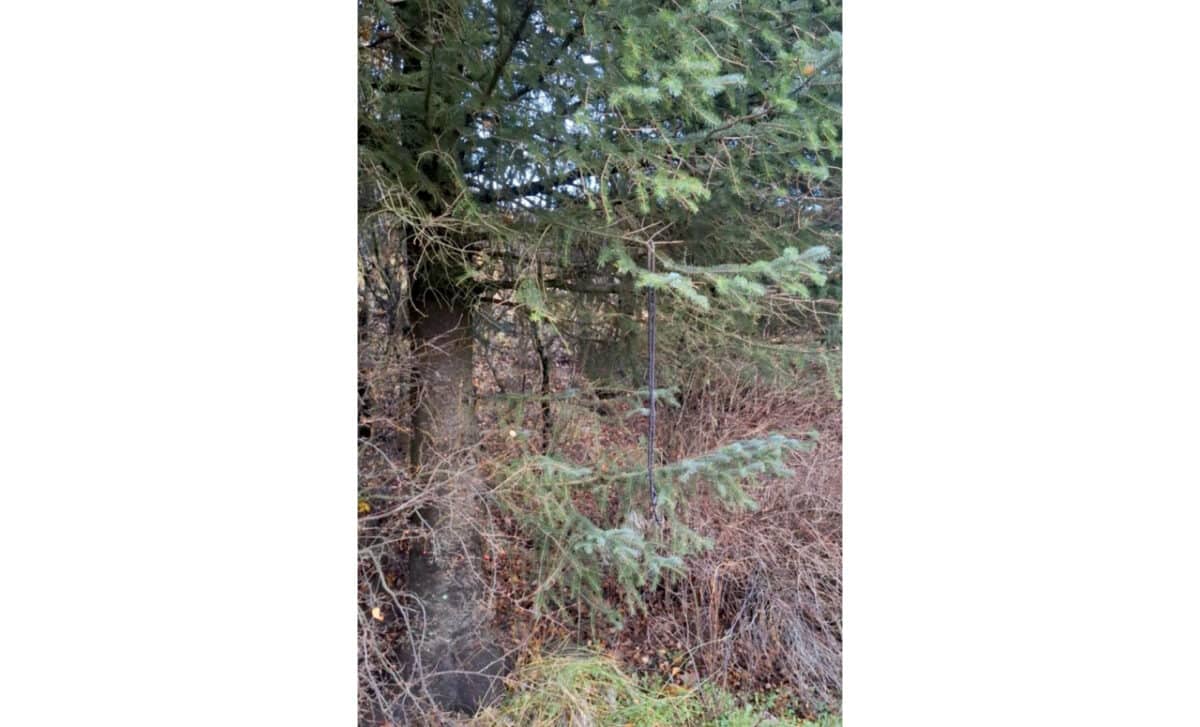 The photo shows the ribbon of red wine on which the mosquitoes appeared – © Matthías S. Alfreðsson/ Natural Science Institute of Iceland
According to Popular Mechanics, while mosquitoes had previously reached Iceland via airplanes, those instances did not result in established or observed populations outdoors. This discovery represents a different case: insects found and documented in a natural setting.
Climate and Biology Explain a Long-Standing Absence
Iceland’s lack of mosquitoes has never been due to cold alone. When temperatures fall below 50 degrees Fahrenheit (10 degrees Celsius), mosquitoes become sluggish, affecting their ability to feed and reproduce. Still, some species have adapted to even harsher environments.
For instance, Aedes nigripes survives Greenland winters by hibernating under ice as a pupa. Iceland, by contrast, presents a different challenge. Its winters fluctuate more frequently, with sudden temperature increases that can prematurely trigger mosquito development cycles without allowing them to complete them.
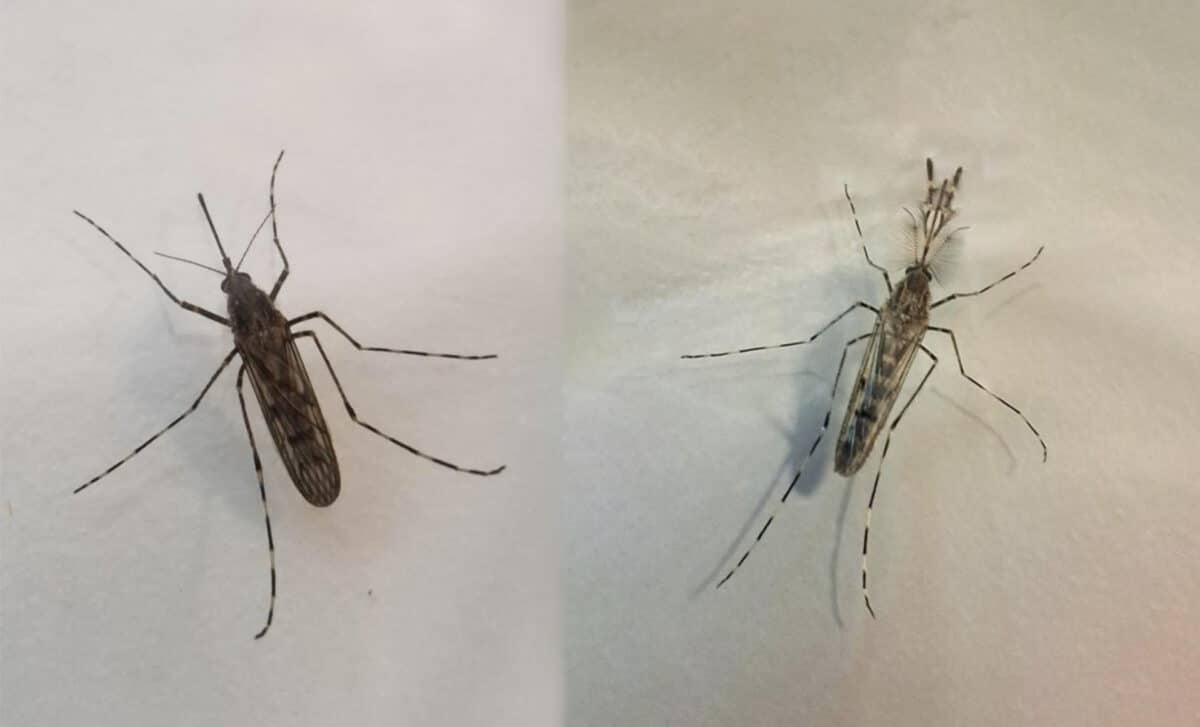 The mosquito fly (Culiseta annulata) was first identified in Iceland. This species, widespread in Europe, can survive the winter in sheltered locations. In the photo, a female is on the left and a male on the right – © Matthías S. Alfreðsson/ Natural Science Institute of Iceland
Culiseta annulata appears better suited to these conditions. The species can shelter in human-made structures such as basements or outbuildings during colder periods, allowing it to survive until temperatures rise again.
Warming Temperatures Open the Door to Expansion
Temperature records from 2025 highlight a broader environmental shift. Iceland experienced unusual heat, with Egilsstaðir Airport reaching approximately 79.9 degrees Fahrenheit (26.6 degrees Celsius) on May 15. Other regions saw temperatures rise about 50 degrees Fahrenheit (10 degrees Celsius) above typical averages.
These changes are part of a wider trend. Warming conditions linked to climate change are making previously inhospitable regions more accessible to mosquitoes. The development is not isolated to Iceland. The Guardian reported that eggs of the Egyptian mosquito have been detected in the United Kingdom, alongside adult Asian tiger mosquitoes, both known carriers of tropical diseases.
Culiseta annulata, in contrast, is not considered a major disease vector and is described primarily as a biting nuisance. Still, its presence underscores a broader shift: Iceland is no longer immune, and Antarctica now stands as the only remaining mosquito-free landmass.