
Nearly a dozen towns and cities across the Triangle are facing water restrictions.
Holly Springs could be next.
The Harnett Regional Water team will discuss its next steps on Monday to address the ongoing drought.
Holly Springs sources its drinking water from the Cape Fear River through Harnett Regional Water.
Their team said their water supply meets demand, but they are advising the community to conserve.
The Triangle needs 10 to 11 inches of rain to eliminate the drought.
Some areas received one inch of rain over the weekend, which helps, but it’s still not enough to end the drought.
The executive director of utilities and infrastructure for the town of Holly Springs, Kendra Parrish, said it’s likely the town will implement stage one restrictions this week.
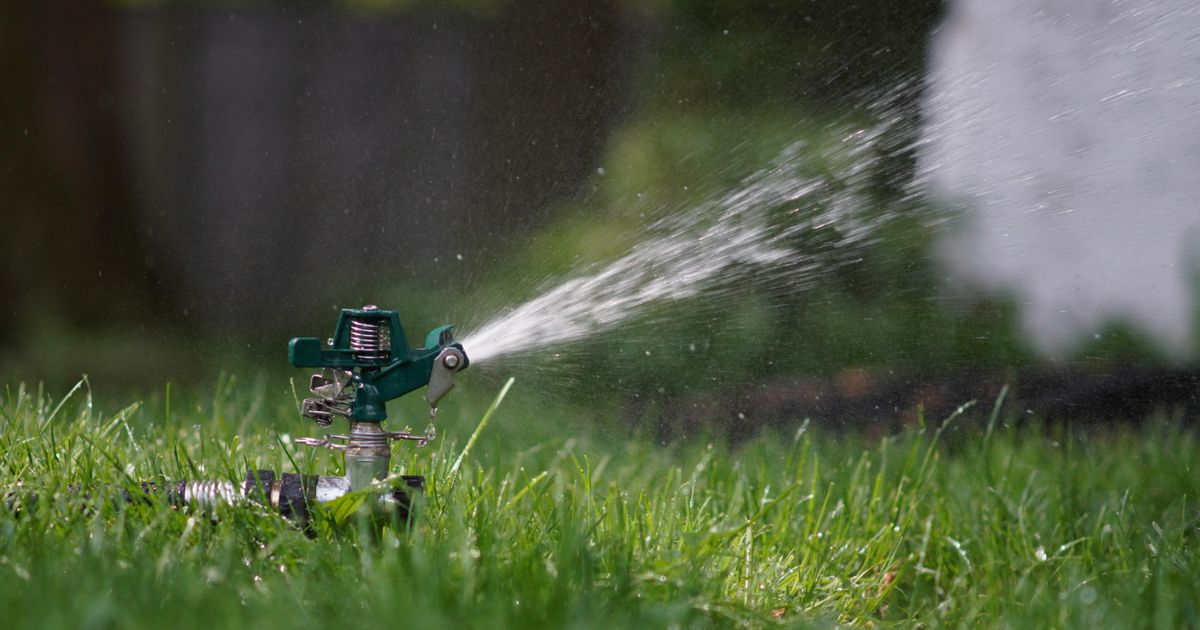
“If we implement stage one water restrictions, it would be a little similar to some other cities where you look at going to a watering schedule of three days a week, depending on your address,” said Parrish.
Ed Buchan, the assistant director of Raleigh Water, told WRAL News rainfall is needed at Falls Lake to remove the restrictions that went into effect in Raleigh last week.
“It could rain in downtown Raleigh, but that doesn’t help Falls Lake,” Buchan explained, because the Falls Lake Watershed is largely northwest of Raleigh.
“Raining in Durham is what we want to see … Granville County and places like that,” Buchan said. “That is very helpful to Falls Lake.”
Much of North Carolina remains in a severe drought, with parts of the Triangle in extreme drought conditions. As a result, several municipalities, including Raleigh and Fuquay-Varina, have implemented water restrictions. WRAL News has a full Q&A about what different water restrictions mean and when they could end.